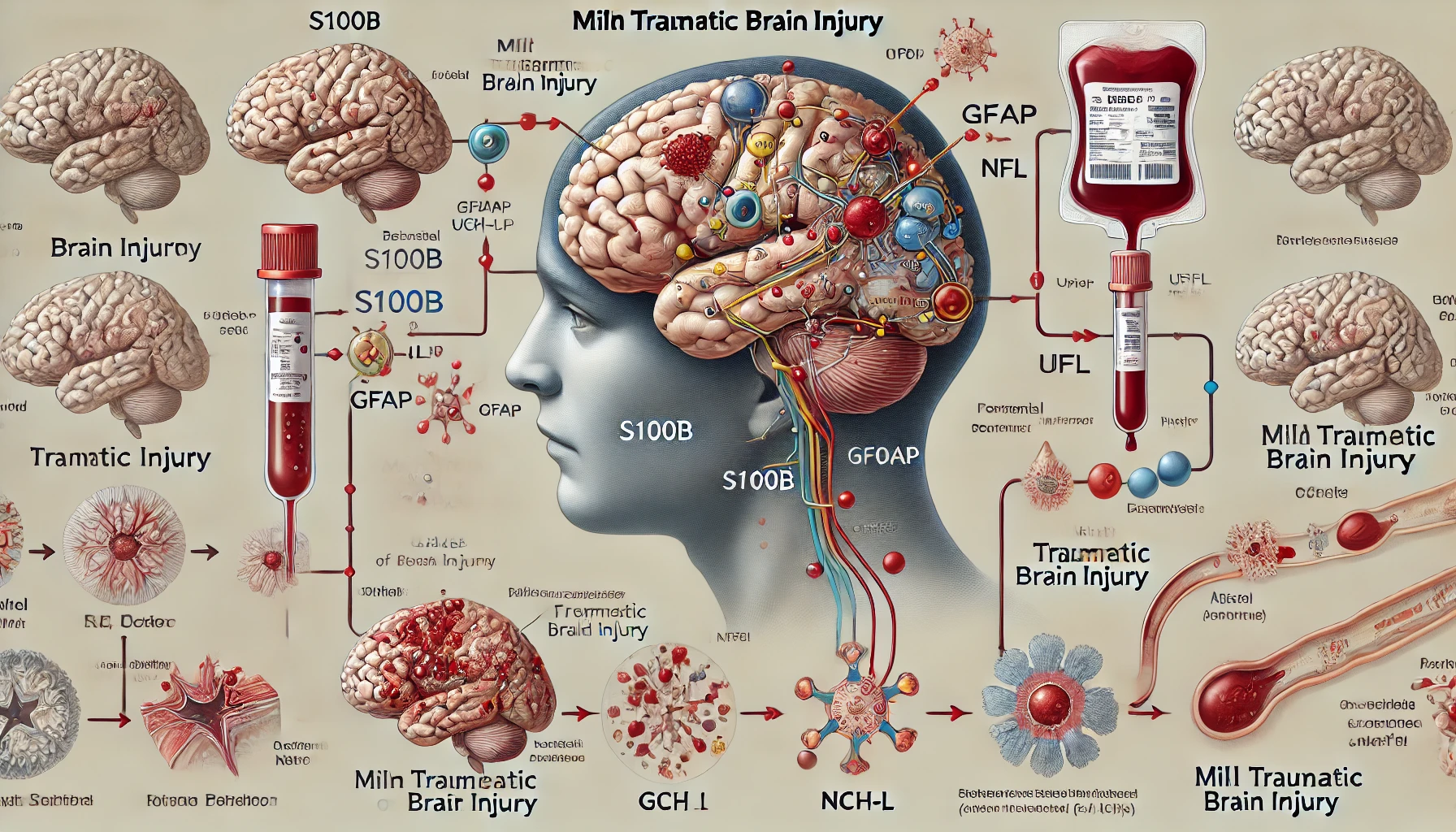
Biomarker Definition and Types
Biomarkers are biological indicators that are used to measure and evaluate various physiological and pathological processes in the body. They can be molecular, histological, radiological, or physiological characteristics, providing crucial insights into health and disease states. These indicators can be proteins, genes, hormones, or other substances produced by the body in response to a disease or certain conditions. Their presence, absence, or altered levels can give valuable information for diagnostic, prognostic, and therapeutic purposes.
Biomarkers are often categorized into several types based on their application and the specific information they convey. One prominent type includes diagnostic biomarkers, which help identify the presence of a disease. For example, the presence of prostate-specific antigen (PSA) levels can indicate prostate cancer. Prognostic biomarkers provide information about the likely progression of a disease, influencing treatment strategies. A notable example is the HER2 gene in breast cancer, where overexpression can suggest a more aggressive disease course.
Another important category is predictive biomarkers. These markers can indicate how a patient will respond to a particular treatment, aiding in personalized medicine. For instance, the presence of certain mutations in the EGFR gene in lung cancer patients can predict their response to targeted therapies. Additionally, monitoring biomarkers can also provide insights into disease recurrence or treatment efficacy, thus guiding ongoing management.
Furthermore, surrogate biomarkers serve as substitutes for clinical endpoints. Although they may not directly measure the clinical outcome, they can provide evidence of treatment response or disease progression. An example is using cholesterol levels as a surrogate biomarker for cardiovascular disease risk.
As research continues, the classification and understanding of biomarkers are evolving, highlighting the complexity of biological systems and the interconnections between various types. Proper identification and categorization of biomarkers not only enhance diagnostic accuracy but also facilitate advancements in therapeutic strategies, paving the way for improved patient outcomes across various medical fields.
Detection and Measurement Techniques
The reliable detection and measurement of biomarkers are crucial for their application in clinical diagnostics and research. Various techniques are employed to ascertain the presence and concentration of biomarkers, each with its strengths and limitations. These techniques can be broadly categorized into several groups, including immunoassays, nucleic acid amplification tests, imaging techniques, and mass spectrometry.
Immunoassays are among the most widely used methods for biomarker detection. They rely on the specificity of antibodies to bind to the target biomolecule, which can be a protein, hormone, or any other substance of interest. Common types of immunoassays include enzyme-linked immunosorbent assays (ELISAs), Western blots, and radioimmunoassays. ELISA, for instance, can quantify the concentration of proteins in a sample by using enzyme-conjugated antibodies that generate a measurable signal upon interaction with the target biomarker. This technique is favored for its sensitivity, simplicity, and versatility across various biological samples, including blood and tissue extracts.
Nucleic acid amplification tests (NAATs) have gained prominence, particularly in the realm of infectious diseases and oncology. By amplifying specific DNA or RNA sequences, these tests can detect low-abundance biomolecules with high precision. Polymerase chain reaction (PCR) and reverse transcription PCR (RT-PCR) are widely utilized examples. PCR can serve to identify genetic mutations or detect pathogens, while RT-PCR is extensively used for viral load monitoring, as seen in COVID-19 diagnostics. The ability to rapidly and accurately amplify genetic material has made these methods indispensable in both clinical and research settings.
Imaging techniques also play a significant role in the assessment of biomarkers, particularly those related to anatomical or functional states. Techniques such as magnetic resonance imaging (MRI), positron emission tomography (PET), and computed tomography (CT) can visualize biomarkers indirectly through changes in organ function or the presence of specific tracers. For instance, PET scans can highlight areas of metabolic activity by using radiolabeled glucose analogs, which can indicate cancerous activity through elevated glucose uptake in tumors.
Mass spectrometry is another powerful tool for biomarker analysis, particularly for metabolomics and proteomics studies. This technique allows for the identification and quantification of biomolecules based on their mass-to-charge ratio, providing detailed profiles of metabolites or proteins present in a sample. Its ability to analyze complex mixtures with high resolution and sensitivity makes mass spectrometry invaluable in the discovery of new biomarkers, as well as in monitoring responses to therapy.
While these methods are essential for biomarker detection, it is crucial to consider factors such as specificity, sensitivity, cost, and accessibility when choosing the appropriate technique. Advances in technology continue to improve the performance of biomarker detection methods, introducing high-throughput approaches and point-of-care devices that facilitate rapid testing. Such innovations will undoubtedly enhance the applicability of biomarkers in clinical practice, paving the way for more precise and personalized healthcare solutions.
Applications in Disease Management
Biomarkers have transformed the landscape of disease management, offering enhanced diagnostic capabilities, tailored treatment regimens, and improved monitoring of disease progression. Their applications span a wide spectrum of medical conditions, providing clinicians with critical information needed for effective patient care.
In oncology, biomarkers play a pivotal role in diagnosing cancer, determining prognosis, and selecting appropriate therapies. For instance, the identification of specific mutations in the KRAS gene can help inform treatment decisions in colorectal cancer. Patients with KRAS mutations are often recommended different therapeutic approaches compared to those without such mutations, as certain targeted therapies may be less effective in their presence. Additionally, circulating tumor DNA (ctDNA) is being increasingly utilized as a non-invasive biomarker to monitor tumor dynamics and treatment response, allowing adjustments to therapy based on real-time data.
Cardiovascular diseases also benefit from the integration of biomarkers into clinical practice. Biomarkers such as troponin and B-type natriuretic peptide (BNP) are routinely used in the emergency setting to diagnose acute myocardial infarction and assess heart failure, respectively. Elevated levels of troponin indicate myocardial injury, while increased BNP levels correlate with heart failure severity, aiding in risk stratification and management of affected patients. Furthermore, lipid profiles serve as essential biomarkers in assessing cardiovascular risk, influencing lifestyle modifications and therapeutic interventions.
In the field of infectious diseases, biomarkers can determine disease presence, severity, and treatment efficacy. For instance, the measurement of procalcitonin levels helps distinguish bacterial infections from viral ones, guiding antibiotic use and reducing unnecessary prescriptions. Similarly, biomarkers like C-reactive protein (CRP) provide valuable insights into inflammation and infection severity, enhancing decision-making in both emergency and outpatient settings.
Moreover, in chronic diseases such as diabetes, biomarkers such as glycosylated hemoglobin (HbA1c) levels are crucial in monitoring long-term glucose control and guiding treatment adjustments. Regular measurement of HbA1c informs clinicians about a patient’s adherence to dietary and pharmacological interventions, facilitating personalized management strategies tailored to individual needs.
Biomarkers are also integral to the realm of autoimmune diseases, where they assist in diagnosing conditions such as rheumatoid arthritis and lupus. Autoantibodies serve as essential biomarkers that indicate disease presence and severity, enabling healthcare providers to implement timely treatment to mitigate disease progression and manage symptoms effectively.
Furthermore, the use of biomarkers extends beyond diagnosis and treatment. They are pivotal in predicting disease recurrence, thereby enhancing surveillance strategies. In breast cancer, the expression levels of the estrogen receptor (ER) and progesterone receptor (PR) help stratify patients based on their risk of recurrence, leading to tailored follow-up and intervention strategies.
Ultimately, the implementation of biomarkers in clinical practice not only refines patient management but also contributes to the growing field of personalized medicine. By leveraging the unique biological profile of each patient, healthcare providers can devise more effective treatment protocols, thereby enhancing outcomes and quality of life for individuals battling diverse health conditions. As research continues to uncover new biomarkers and their applications, the potential for improving disease management remains substantial, promising a future where treatment is even more customized and responsive to individual patient needs.
Future Directions in Biomarker Research
The future of biomarker research is poised to be transformative, driven by advancements in technology, increased understanding of biological processes, and the continuous push for personalized medicine. One significant area of exploration lies in the identification and validation of novel biomarkers through high-throughput technologies, such as next-generation sequencing (NGS) and mass spectrometry-based proteomics. These methodologies allow researchers to analyze vast amounts of biological data, uncovering previously unrecognized biomarkers linked to specific diseases or patient responses.
Integrative approaches combining genomics, transcriptomics, proteomics, and metabolomics are anticipated to yield comprehensive biomarker profiles. Such multi-omics analyses offer a holistic view of biological systems, revealing intricate networks of molecular interactions that govern health and disease. As these technologies advance, they will enhance our capacity to discover biomarkers that are not only reliable indicators of health status but also predictive of treatment outcomes, thereby elevating precision medicine to new heights.
Additionally, the integration of artificial intelligence (AI) and machine learning in biomarker discovery and interpretation represents a frontier with immense potential. AI algorithms can sift through large datasets, identifying patterns and associations that may be missed by traditional analysis methods. By modeling complex biological interactions, AI can expedite the identification of promising biomarkers and aid in stratifying patients according to their predicted responses to various treatments.
Moreover, liquid biopsies are emerging as a revolutionary technique with the prospect of making biomarker testing less invasive and more accessible. This method involves analyzing biomarkers found in body fluids, such as blood or saliva, to provide real-time insights into disease progression and treatment response. The shift towards non-invasive methodologies could enhance patient compliance and facilitate the routine monitoring of disease dynamics in clinical practice.
Collaboration between research institutions, regulatory bodies, and pharmaceutical companies will be crucial in ensuring the successful transition of new biomarkers from the lab to clinical settings. Developing standardized protocols for biomarker validation and assessment is essential to establish their relevance and reliability in diverse populations. Furthermore, ethical considerations regarding data privacy and the responsible use of biological information must be addressed as biomarker research expands, particularly in the context of AI-driven analyses and genomic data sharing.
Consensus-driven initiatives aimed at harmonizing biomarker definitions, classifications, and measurement techniques will also promote the reproducibility and applicability of research findings. Collaborative networks, such as Consortiums focused on specific diseases, can facilitate the sharing of insights and resources, accelerating innovation and implementation.
As the landscape of biomarker research continues to evolve, integrating these advancements into clinical practice holds the promise of revolutionizing patient care. The ability to tailor interventions based on individual biomarker profiles could lead to significantly improved health outcomes, enabling healthcare providers to offer highly personalized treatment strategies that align with each patient’s unique biological makeup. Ultimately, the future of biomarker research envisions a healthcare system where diagnosis and treatment are seamlessly personalized, fostering a new era of proactive and precision medicine.