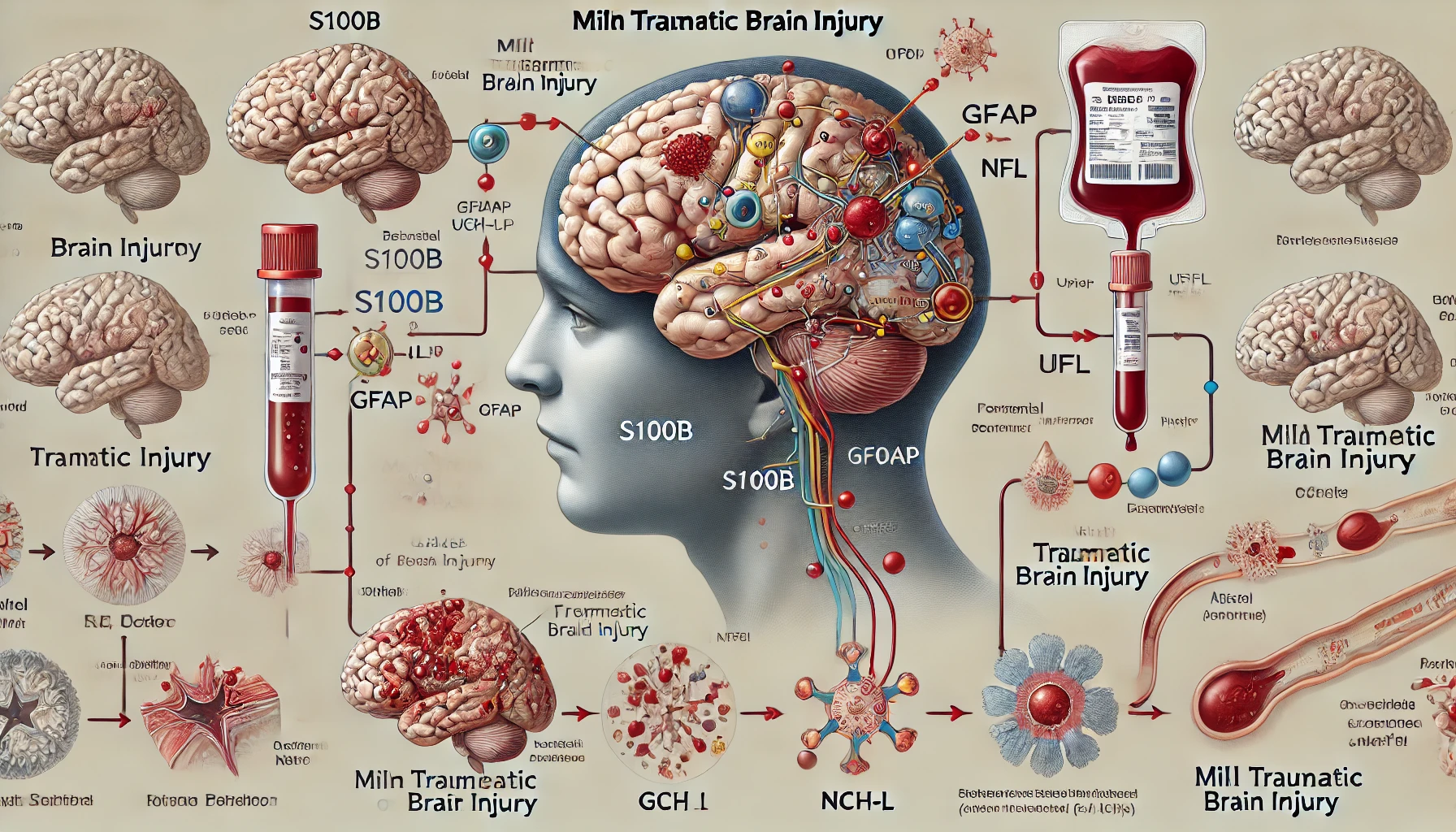
Diagnostic Performance of Blood-Based Biomarkers
Blood-based biomarkers have gained attention for their potential utility in diagnosing Alzheimer’s disease (AD), offering a less invasive alternative to traditional methods like cerebrospinal fluid (CSF) analysis or neuroimaging. Recent studies have highlighted the efficacy of certain blood tests in accurately identifying AD in patients, often demonstrating a robust sensitivity and specificity. For instance, biomarkers such as amyloid-beta and tau proteins present in the blood have shown a promising correlation with the pathological hallmarks of Alzheimer’s, indicating their potential to serve as reliable indicators of the disease.
A comprehensive evaluation of the performance metrics of these biomarkers reveals an overall strong diagnostic capability, particularly in early stages of AD. In controlled settings, sensitivity rates have often exceeded 80%, meaning that a significant majority of individuals with AD are correctly identified. Moreover, specificity metrics suggest that these blood tests are equally proficient in ruling out AD in individuals without the disease, which is pivotal for minimizing false positives that could lead to unnecessary anxiety or interventions.
Notably, the diagnostic performance of these biomarkers can vary based on several factors, including the population sampled and the techniques employed for biomarker extraction and analysis. For instance, diagnostic accuracy appears to be higher in well-defined cohorts compared to those with mixed or atypical presentations of cognitive impairment. To achieve the highest reliability, studies have emphasized the importance of standardizing testing protocols and including diverse population samples to account for variations in genetics and environmental influences.
Moreover, it is crucial to consider the timing of blood sample collection in relation to symptom onset. Early detection is essential in the management of Alzheimer’s disease, and findings suggest that blood biomarkers may need to be assessed at specific intervals to maximize their predictive value. Continuous advancements in technological platforms, such as mass spectrometry and other high-throughput analytical methods, are further enhancing the accuracy and efficiency of blood-based biomarker detection, making them a legitimate contender in the diagnostic landscape of Alzheimer’s disease.
In summary, the current evidence underscores the potential of blood-based biomarkers as valuable tools in early diagnosis of Alzheimer’s disease, offering a non-invasive, accessible means for clinicians to identify patients at risk. The pursuit of refining these biomarkers through extensive research will likely solidify their place in routine clinical practice, facilitating timely intervention and improving patient outcomes.
Analysis of Study Methodology
The methodology employed in studies evaluating blood-based biomarkers for Alzheimer’s disease (AD) is critical for ensuring the validity and reliability of the findings. A key component of these studies typically involves the selection of appropriate cohorts, which can significantly influence the outcomes. Researchers often recruit participants from diverse backgrounds, including varying ages, genders, and stages of cognitive impairment, to create a representative sample. This diversity is necessary to determine the biomarkers’ effectiveness across different populations and help ensure that findings are generalizable.
Recruitment methods generally involve both clinical and community-based approaches, which can yield distinct patient characteristics. Investigators may choose to include only individuals diagnosed with AD, while others might target those exhibiting mild cognitive impairment (MCI) or even control groups with no cognitive deficits. Such stratification helps clarify the specific utility of biomarkers in differentiating AD from other forms of dementia or cognitive decline. Notably, ensuring that participants are correctly classified into diagnostic categories is paramount; misclassification can lead to skewed results and interpretations of a biomarker’s accuracy.
Biomarker analysis itself involves a variety of techniques, which may include enzyme-linked immunosorbent assays (ELISA), mass spectrometry, and polymerase chain reaction (PCR) methods. Each technique comes with its own set of advantages and limitations regarding sensitivity, specificity, and throughput. For example, mass spectrometry is celebrated for its ability to quantify low-abundance biomarkers, yet its accessibility in routine clinical settings may still be limited. Therefore, the choice of method can produce variability in results, meaning that studies need to standardize protocols carefully to ensure comparability of findings across different research efforts and settings.
Furthermore, the timing of blood sample collection in relation to patient assessment plays a significant role in the data quality. Studies often assess biomarker levels during specific intervals post-symptom onset to ascertain how these changes correlate with clinical indicators of AD progression. Collecting samples at multiple time points can offer insights into how biomarker levels fluctuate with disease progression and might allow for earlier detection of AD, which is crucial for effective intervention strategies.
Statistical analyses used to interpret the collected data are paramount for establishing the performance characteristics of biomarkers. Commonly, receiver operating characteristic (ROC) curves are generated to assess sensitivity and specificity while allowing researchers to balance the trade-offs between false positives and false negatives. The area under the curve (AUC) provides a single measure of overall accuracy, with higher values indicating better discrimination between those with and without AD.
Additionally, multicenter trials that aggregate data across various institutions can enhance the robustness of findings. Pooling datasets helps to address issues related to sample size and diversity, enhancing the statistical power of the studies. However, this approach requires meticulous coordination regarding sample handling and analysis methodologies among participating institutions to avoid variability due to different analytical platforms or sample processing techniques.
In summary, the methodological rigor behind studies on blood-based biomarkers for Alzheimer’s disease is essential to their credibility and application in clinical practice. By carefully selecting diverse patient populations, employing standardized analytical techniques, and conducting thorough statistical evaluations, researchers can provide stronger evidence for the use of these biomarkers in diagnosing and monitoring Alzheimer’s disease, ultimately influencing early detection and treatment strategies.
Impacts of Stroke and Comorbidities
The presence of stroke and other comorbidities poses significant challenges to the diagnostic accuracy of blood-based biomarkers for Alzheimer’s disease (AD). Both factors can influence the biological landscape of an individual, thereby affecting the levels and reliability of biomarkers traditionally associated with Alzheimer’s pathology. Understanding how these conditions interplay with AD diagnoses is essential for applying biomarkers in clinical settings effectively.
Stroke, in particular, disrupts cerebral blood flow and can lead to secondary neurodegeneration. When evaluating the diagnostic performance of blood-based biomarkers in individuals who have experienced a stroke, researchers have noted a marked decrease in specificity and sensitivity. This decline can be partly attributed to the complex alterations in the biomarker profile caused by an ischemic event. For instance, markers such as tau proteins may be elevated due to brain injury rather than any underlying neurodegenerative process associated with AD. Consequently, individuals post-stroke could yield false positives when evaluated for Alzheimer’s, complicating the clinical picture and potentially hindering appropriate treatment decisions.
Moreover, the Charlson Comorbidity Index (CCI), a widely used measure for categorizing comorbidities in a patient population, further complicates the diagnostic landscape. Patients with high comorbidity indices may exhibit overlapping symptoms that mimic cognitive decline commonly associated with Alzheimer’s, presenting a diagnostic conundrum. For example, conditions such as diabetes, hypertension, and heart disease can influence both cognitive function and the biomarker patterns involved in AD. This overlap may result in skewed interpretations of blood-based biomarker levels, leading to challenges in distinguishing between Alzheimer’s disease pathology and cognitive changes attributable to other medical conditions.
Current studies indicate that the interplay between strokes and high comorbidity indices can lead to a reduced overall diagnostic accuracy of blood biomarkers. In populations with such medical backgrounds, the relative predictive value of these markers might decrease, prompting the need for adjusted thresholds or enhanced biomarker panels that take these variables into account. For instance, it may be necessary to consider a multi-modal approach that integrates clinical evaluations, cognitive assessments, and additional biomarker analyses to enhance diagnostic precision.
Furthermore, stratification during research studies is crucial. It is essential for biomarker evaluations to be conducted in cohorts that include individuals with specific comorbidities or recent strokes, enabling researchers to understand how these factors uniquely impact blood biomarker levels. Implementation of analytical strategies that adjust for these variables could lead to improved accuracy in identifying individuals at risk of AD.
In summary, understanding the impacts of stroke and comorbidities on blood-based biomarkers for Alzheimer’s disease is vital for translating research findings into clinical practice. Addressing these influences will require ongoing research efforts aimed at refining diagnostic strategies, ultimately improving the outcomes for patients with complex health profiles. By acknowledging these challenges, researchers and clinicians can work toward more reliable methods for utilizing blood biomarkers in the context of Alzheimer’s disease, taking into consideration the nuances introduced by overlapping health conditions.
Future Directions and Recommendations
As the field of blood-based biomarkers for Alzheimer’s disease (AD) continues to evolve, several critical areas warrant attention to optimize their clinical applicability and diagnostic accuracy. First and foremost, ongoing research should prioritize the development and validation of comprehensive biomarker panels that synergistically combine multiple biomarkers rather than relying solely on individual markers like amyloid-beta or tau proteins. This multifaceted approach may enhance diagnostic precision, especially in individuals with complex medical histories or comorbidities.
Additionally, it is essential to standardize methods for biomarker extraction, processing, and analysis across research laboratories and clinical settings. Establishing unified protocols will help mitigate variability in results and facilitate comparability across studies. Standards set by organizations like the Alzheimer’s Association and the International Alzheimer’s Disease Research Consortium can serve as a framework for consistent methodologies.
Longitudinal studies with extended follow-up periods could provide valuable insights into the progression of biomarker levels throughout different stages of Alzheimer’s disease and its variants. Understanding how biomarkers change over time in response to therapeutic interventions or disease progression will further solidify their role in monitoring disease trajectory and treatment outcomes.
Given the significant impact of comorbidities and acute events like stroke on biomarker performance, future research should include stratified analyses that assess the diagnostic value of biomarkers specifically in populations with varying degrees of baseline health. Such targeted research can help tailor the interpretation of biomarker data to account for individual patient profiles, thereby improving diagnostic accuracy.
Moreover, investigators should explore the integration of artificial intelligence (AI) and machine learning algorithms to analyze large datasets garnered from diverse populations. These advanced analytics could identify patterns and correlations that may not be immediately evident through traditional statistical methods, thus enhancing the utility of blood biomarkers as predictive tools for Alzheimer’s disease.
Education and training programs for clinicians focusing on the interpretation of biomarker data are also crucial. Ensuring that healthcare providers are well-versed in the nuances of blood-based biomarkers will facilitate informed decision-making and improve patient counseling on diagnostic results.
Lastly, there is a significant need for public and private funding to support collaborative research initiatives aimed at accelerating the translation of blood-based biomarkers into clinical practice. Such investments will promote innovation and enable the development of cost-effective, accessible testing options that can be integrated into routine clinical workflows.
In summary, advancing the diagnostic capabilities of blood-based biomarkers for Alzheimer’s disease hinges on a multifaceted approach that includes rigorous research, standardized methodologies, ongoing education, and strategic investments in innovation. By pursuing these avenues, the medical community can hope to harness the full potential of these biomarkers in the fight against Alzheimer’s disease, ultimately enhancing early detection and patient care.