
FOXG1 Improves Cognitive Function in Alzheimer’s Disease by Promoting Endogenous Neurogenesis
Impact of FOXG1 on Neurogenesis The role of FOXG1 in neurogenesis is increasingly being recognized as pivotal, particularly in the […]
Impact of FOXG1 on Neurogenesis The role of FOXG1 in neurogenesis is increasingly being recognized as pivotal, particularly in the […]
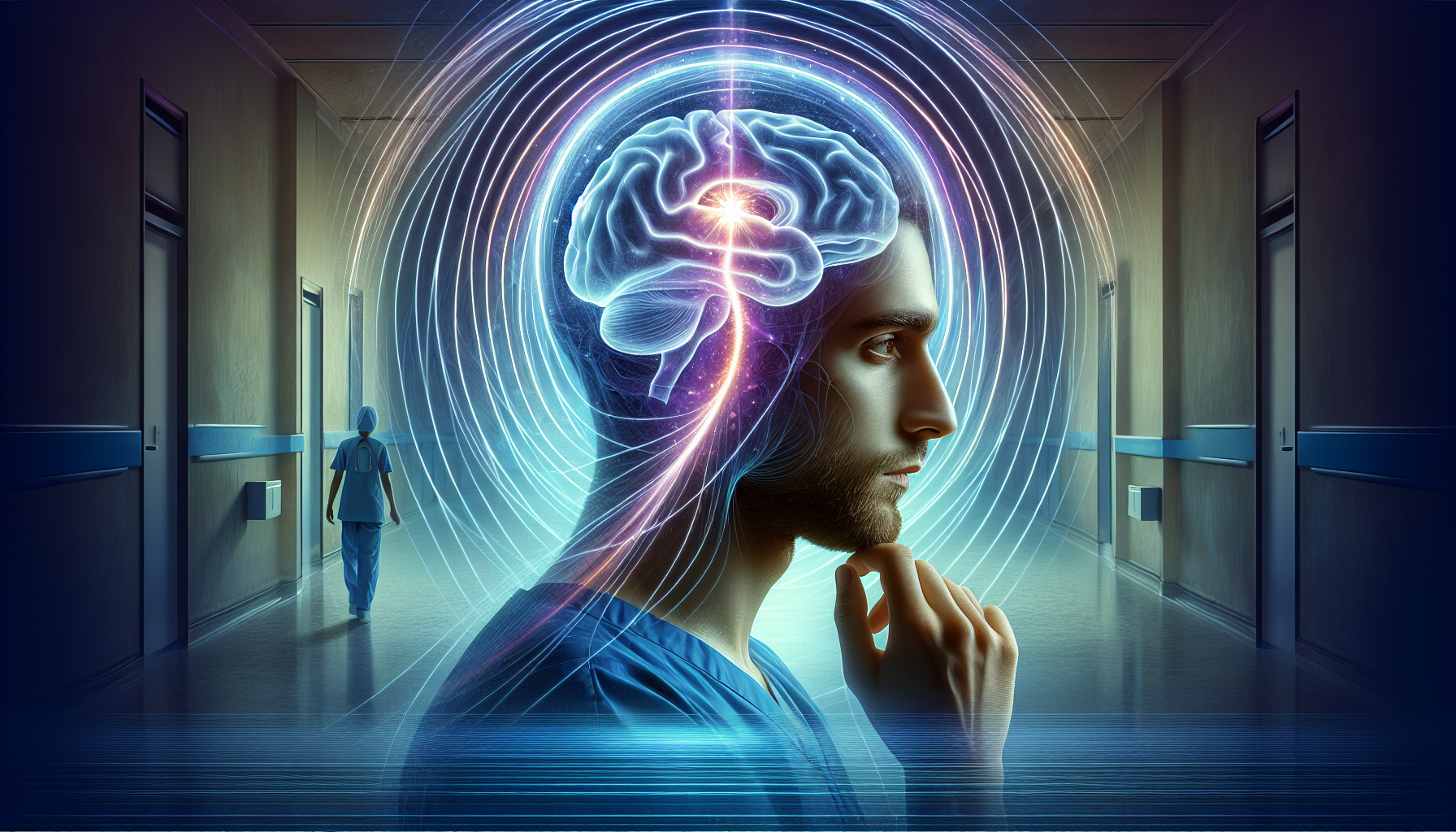
Mild traumatic brain injury (mTBI) is a form of brain injury that results from an external mechanical force, typically involving a sudden impact or jolt to the head. This type of injury leads to a disruption in normal brain function, albeit temporarily in most cases. The definitions of mTBI can…
Mild Traumatic Brain Injury vs. Concussion: What’s the Difference? Read Post »

Post concussion syndrome often manifests through subtle but persistent symptoms that are easy to overlook or misattribute—ranging from mental fatigue and mood changes to dizziness and visual strain. These signs may surface long after the initial injury and are frequently missed without careful clinical assessment and a thorough patient history. Understanding the hidden complexities of PCS is crucial for timely diagnosis and effective care.
Recognising subtle signs of post concussion syndrome Read Post »
Abnormalities in the frontal lobe have been increasingly linked to criminal behaviours, particularly those involving impulsivity, aggression, and poor judgement. This brain region governs executive functions like moral reasoning, impulse control, and decision-making. Neuroimaging studies and clinical data reveal how dysfunction in specific subregions may impair behavioural regulation, challenging conventional views of responsibility and offering new insights into justice, rehabilitation, and the biological roots of antisocial conduct.
The role of the frontal lobe in criminal decision making Read Post »
Functional Neurological Disorder (FND) causes real, often debilitating neurological symptoms without detectable structural brain damage. Positioned between neurology and psychology, it presents challenges in understanding, diagnosis, and management. Symptoms—ranging from seizures to speech issues—can be unpredictable, requiring tailored support and multidisciplinary care. Despite lingering stigma, advancing research highlights FND’s neurological basis, promoting more effective treatments. Physiotherapy, psychological therapies, and occupational strategies work together to improve daily function and emotional resilience. With structured routines, strong support networks, and practical coping tools, individuals with FND can build meaningful progress and regain a sense of stability and control.
Living with FND and maintaining quality of life Read Post »

Understanding spatial perception in three dimensions Historical interplay between sculpture and space Techniques sculptors use to shape spatial awareness The
The connection between sculpture and spatial awareness Read Post »
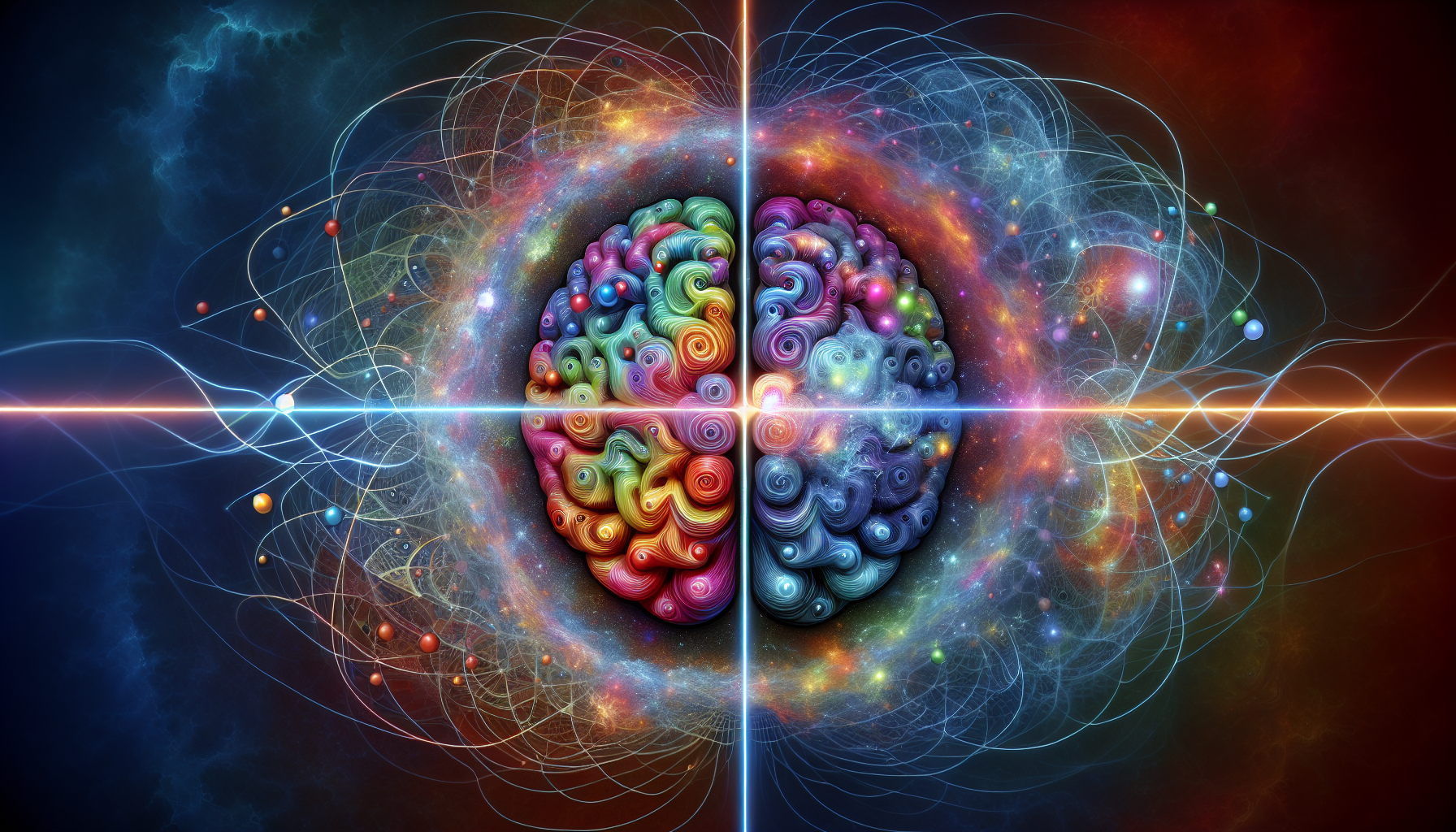
The Bayesian brain hypothesis frames the brain as a probabilistic machine, constantly updating predictions based on incoming sensory data. Emerging research explores striking parallels with quantum mechanics, suggesting that concepts like superposition and entanglement may offer deeper insights into perception, decision-making, and cognitive uncertainty, challenging traditional models and inspiring new approaches to understanding the dynamics of the mind.
Bayesian brain theories and their link to quantum mechanics Read Post »
Study overview The research aimed to establish a novel methodology for evaluating the biomechanical performance of equestrian helmets. Given the
Study Overview The research undertaken aimed to establish a reliable and straightforward model of mild traumatic brain injury (mTBI) utilizing
Overview of Externalising Behaviours Externalising behaviours refer to a range of actions that move outwardly, affecting the environment and often