
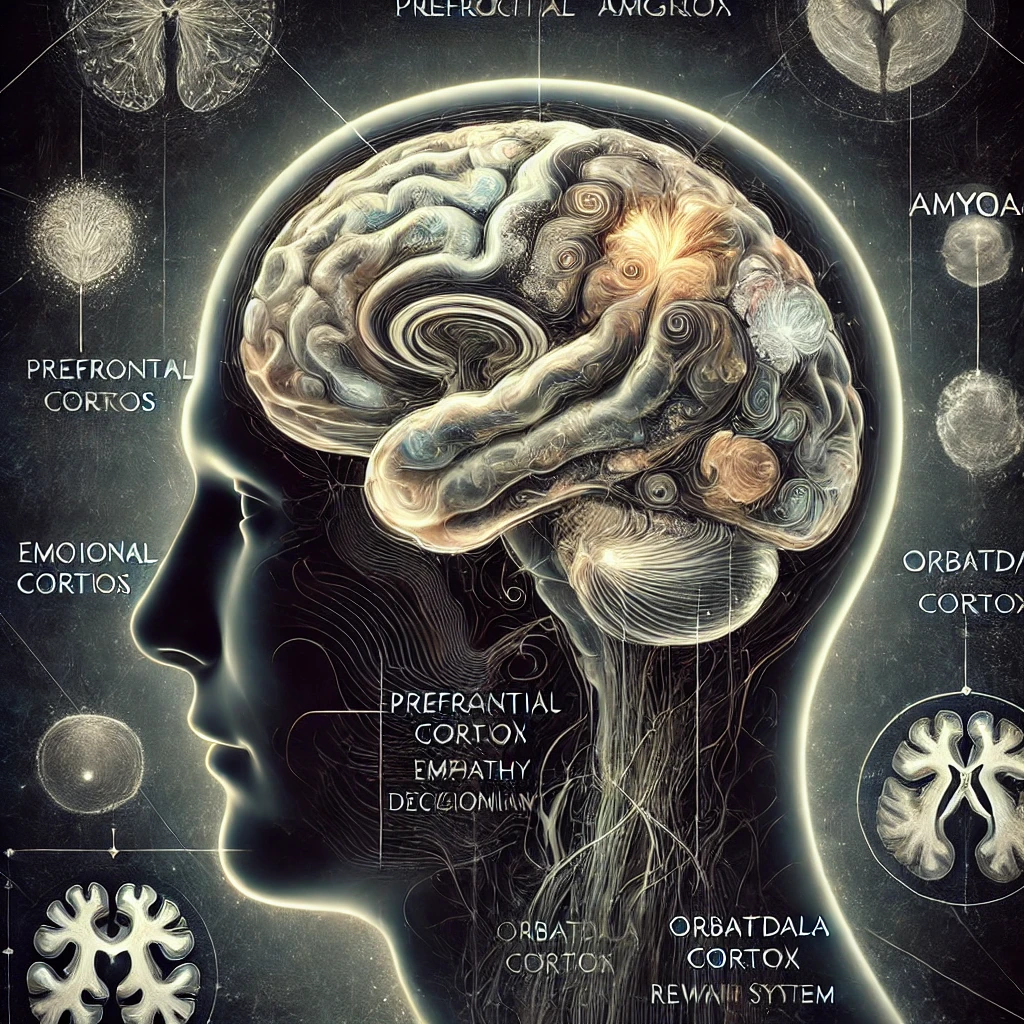
Neurobiological Insights into the Mind of a Cold-Blooded Criminal: A Detailed Brain Analysis
One of the most horrific crimes in the history of Greece. For the way it was committed, for the hidden […]
One of the most horrific crimes in the history of Greece. For the way it was committed, for the hidden […]
Post-Concussion Syndrome (PCS) is a complex and often misunderstood condition that can arise after a mild traumatic brain injury (mTBI).
Is Post-Concussion Syndrome a Functional Disorder? Read Post »

Mild traumatic brain injury (mTBI), commonly referred to as a concussion, is one of the most prevalent yet least understood
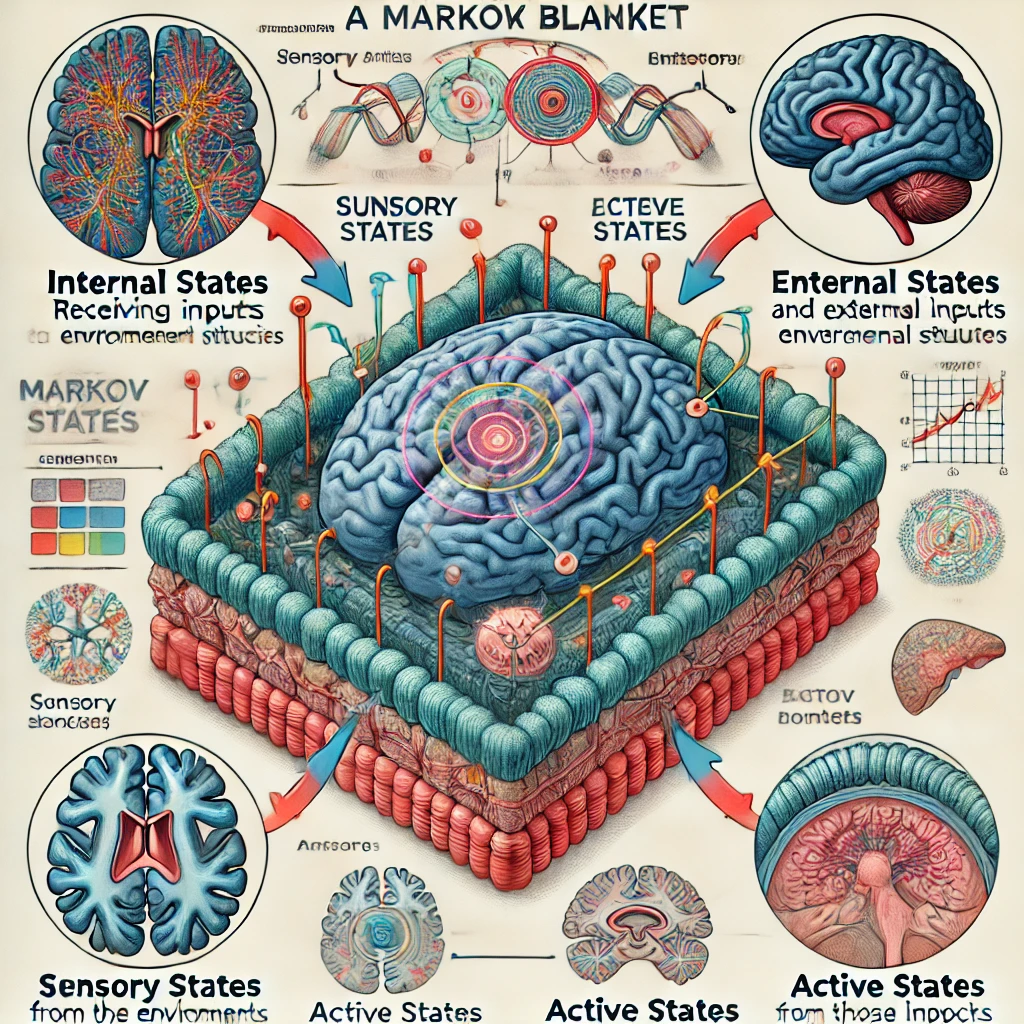
The brain is an incredibly complex system, constantly interacting with both internal processes and external stimuli. To make sense of
Understanding Markov Blankets and Their Role in Brain Function and Injury Read Post »
Caffeine appears to have a complex relationship with concussion recovery and post-concussion syndrome (PCS). Based on the available research, here
Caffeine and Concussion Recovery: Benefits, Drawbacks, and Recommendations Read Post »
Traumatic brain injury (TBI) frequently results in cognitive impairments and asthenia (chronic fatigue), which can severely impact daily life. Recent
Cognitive Recovery After Traumatic Brain Injury: New Approaches for Asthenia Treatment Read Post »
Mild traumatic brain injury (mTBI), commonly known as a concussion, has been increasingly studied for its potential long-term effects on cognitive health, including the risk of developing dementia. Here is a comprehensive overview of the current understanding based on recent research.
Risk of Dementia After Mild Traumatic Brain Injury (mTBI) Read Post »
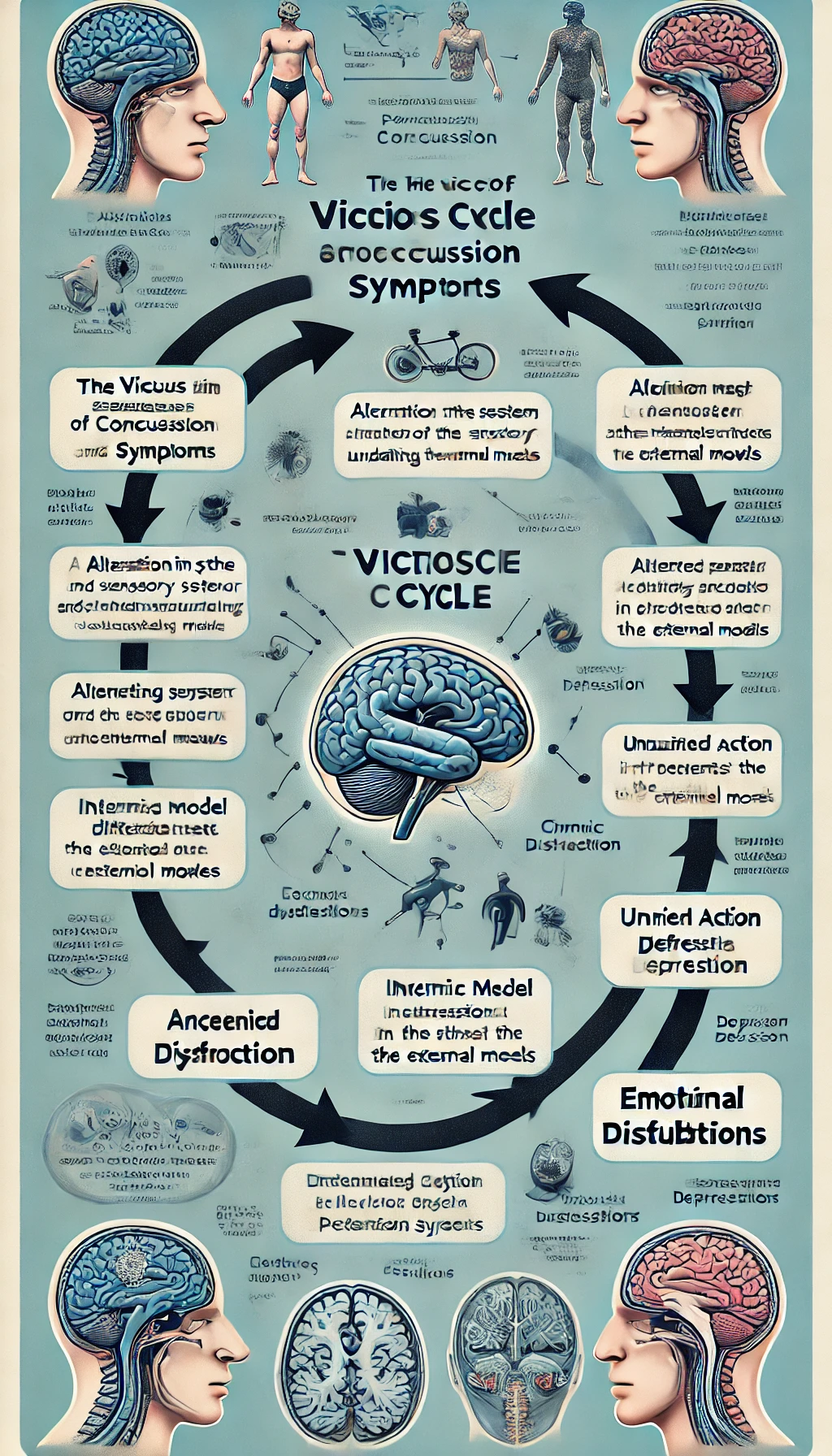
Concussions and post-concussion symptoms significantly impact the brain’s ability to process and integrate sensory information, leading to a phenomenon termed “internal fake news.” This occurs when altered sensory perceptions distort internal models, affecting decision-making and leading to a cascade of negative consequences including chronic stress, anxiety, and depression. The cerebellum’s role in integrating multisensory information is crucial for updating these internal models accurately. Disruptions in this process, commonly seen in concussion patients, result in a vicious cycle of emotional disturbances. Early intervention and a multidisciplinary approach are essential for mitigating these effects and supporting recovery.

The Immediate Post-Concussion Assessment and Cognitive Testing (ImPACT) is a vital tool in the assessment of concussions, providing objective data on cognitive function and symptomatology. This article explores how ImPACT can differentiate between symptoms originating from concussions, psychological conditions, and malingering. Through cognitive assessments, symptom tracking, baseline comparisons, and validity indicators, ImPACT aids clinicians in distinguishing between these conditions. However, it emphasizes that ImPACT should be part of a comprehensive clinical evaluation for accurate diagnosis and effective management.
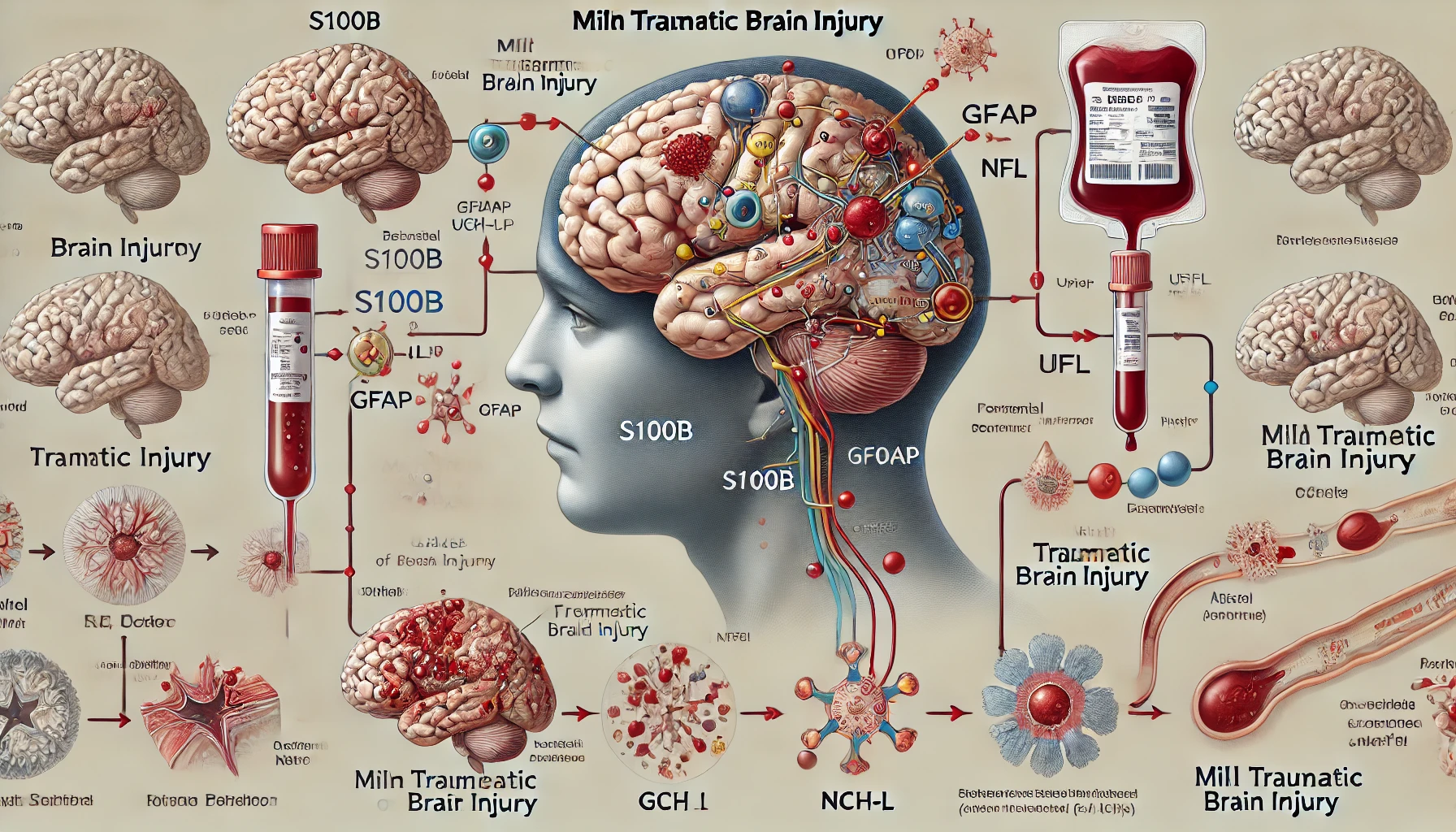
Several studies have demonstrated that elevated levels of S100B, GFAP, UCH-L1, and NFL correlate with the presence and severity of mTBI. S100B, a marker of astrocytic damage, has been shown to have high sensitivity but moderate specificity for mTBI. GFAP, another astrocytic marker, exhibits higher specificity and is particularly useful in differentiating mTBI from other conditions. UCH-L1, a marker of neuronal cell body injury, and NFL, indicative of axonal damage, both show promise in reflecting the extent of neuronal injury and predicting recovery outcomes. Additionally, combinations of these biomarkers may enhance diagnostic accuracy and provide more comprehensive insights into the injury mechanisms and prognosis.
The use of blood biomarkers in mTBI offers several advantages, including non-invasiveness, rapid turnaround time, and the potential for point-of-care testing. However, challenges such as variability in biomarker levels due to individual differences, the influence of extracranial injuries, and the need for standardized protocols must be addressed. Further research is required to validate these biomarkers in larger, diverse populations and to establish clear clinical guidelines for their use.
Blood biomarkers in mTBI Read Post »