Exploring the Intricacies of Time Perception Through Visual Cues
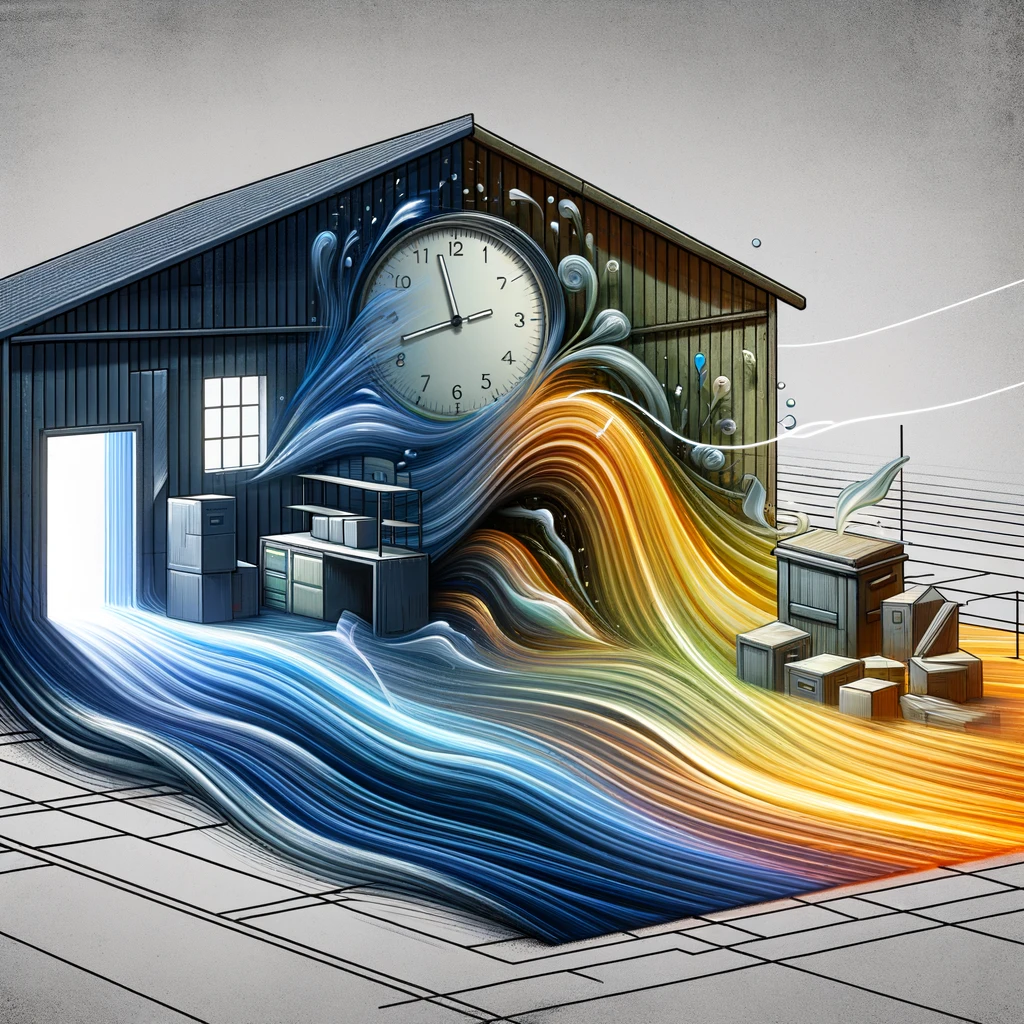
This article examines recent advances in understanding human time perception, focusing on how sensory inputs, particularly visual cues, influence our sense of time. Grounded in research led by cognitive neuroscientist Virginie van Wassenhove, the article discusses findings from studies that explore the impact of visual features such as scene complexity, clutter, and memorability on time perception. The research reveals that larger, less cluttered scenes tend to cause time dilation, while smaller, cluttered scenes induce time constriction. Additionally, images that are more memorable are perceived for longer durations, suggesting that memorability enhances time perception. These insights not only augment our comprehension of sensory processing but also hint at potential neural mechanisms underlying these phenomena. The article concludes with suggestions for future research directions, including the use of neuroimaging and the potential for artificial stimulation of brain processes to influence time perception and memory.
Exploring the Intricacies of Time Perception Through Visual Cues Read Post »