
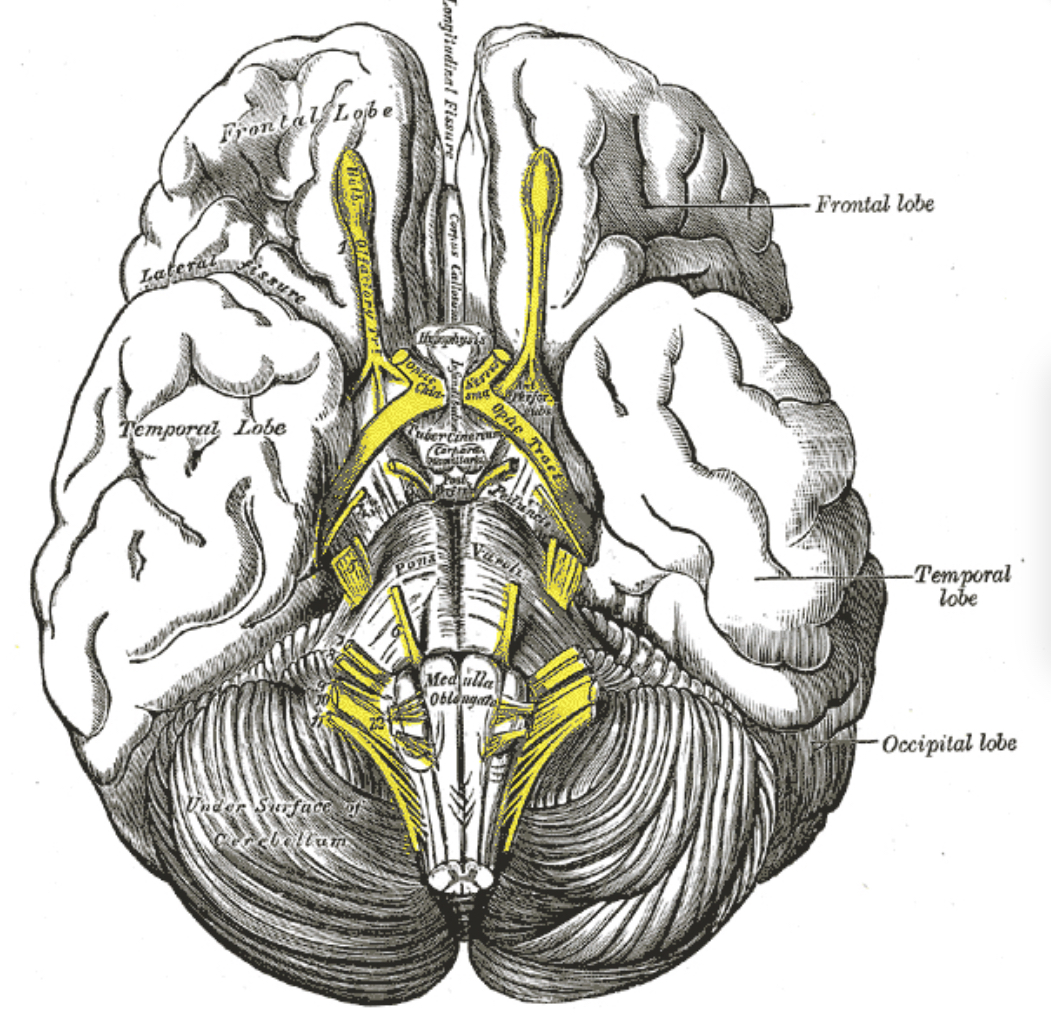
Olfactory Nerve: Anatomy
Detailed Analysis of the Anatomy and Course of the Olfactory Nerve The olfactory nerve, or Cranial Nerve I, is unique […]
Olfactory Nerve: Anatomy Read Post »
Detailed Analysis of the Anatomy and Course of the Olfactory Nerve The olfactory nerve, or Cranial Nerve I, is unique […]
Olfactory Nerve: Anatomy Read Post »
Functional Neurological Disorders (FND) are characterized by neurological symptoms that are not explained by identifiable neurological disease. The diagnosis of FND is complex and requires a careful approach to avoid misdiagnosis, which can have significant legal and ethical implications. Misdiagnosis can lead to unnecessary treatments, psychological harm, and a lack of informed consent. Studies have shown that misdiagnosis rates for FND are similar to those for ‘organic’ neurological diseases, and the misdiagnosis of neurological diseases as FND occurs at a similar frequency. The challenge is compounded when patients have comorbid conditions, such as multiple sclerosis, where both conditions need to be treated. Ethical concerns include the potential for stigmatization of patients, the responsibility of healthcare professionals to correct public misinformation, and the importance of accurate communication of diagnoses. Legal concerns revolve around the accuracy of diagnosis, informed consent, and confidentiality. To address these concerns, enhanced training for healthcare providers, development of guidelines for media engagement, and multidisciplinary approaches to assessment and treatment are recommended. The goal is to ensure that patients receive accurate diagnoses and appropriate care, while healthcare providers navigate the ethical and legal landscape with due diligence.
Legal and Ethical Concerns in the Diagnosis of Functional Neurological Disorders Read Post »

Functional neurological disorders (FNDs) present a diagnostic challenge due to the absence of definitive biomarkers. This synthesis of current research explores the potential biomarkers for FNDs, aiming to enhance diagnostic accuracy and treatment efficacy. Cortisol levels have been investigated as state, trait, and prognostic biomarkers, reflecting the stress response and potential chronic alterations in hypothalamic-pituitary-adrenal axis functioning in FND patients[1]. Whole-body cryostimulation (WBC) has been proposed as an adjuvant treatment, with a case report demonstrating improvements in body composition, hematological biomarkers, and physical performance, suggesting physiological responses to WBC as potential biomarkers for treatment efficacy[2]. Vitamin B12 deficiency, often resulting from nitrous oxide misuse, has been identified as a consistent feature in hospital admissions for neurological disorders, indicating the importance of metabolic biomarkers in patient management[3]. Functional near-infrared spectroscopy (fNIRS) has been utilized to derive objective hemodynamic biomarkers, with machine learning algorithms demonstrating high accuracy in classifying neuropsychiatric disorders, underscoring the potential of fNIRS in the objective diagnosis of FNDs[4]. Additionally, glutamatergic dysfunction, neuroplasticity, and redox status in peripheral blood have been explored as potential biomarkers for motor conversion disorders, a subtype of FNDs[5]. This body of research signifies a shift towards identifying unfeignable biomarkers that could unravel the complex etiology of FNDs and guide more targeted interventions[6][7].
Mild traumatic brain injury (mTBI) poses a risk of long-term functional cognitive impairment (CI), influenced by diverse pre- and post-injury factors. This review synthesizes current research on the risk factors associated with CI following mTBI, drawing from recent findings in neuropsychological assessments, neuroimaging studies, and genetic analyses. Pre-injury comorbidities such as psychiatric conditions and hypertension, alongside demographic factors like age and gender, have been identified as significant contributors to post-mTBI cognitive challenges. Additionally, injury-specific symptoms including fatigue and headaches are crucial predictors of CI. Neuroimaging techniques, including functional MRI and diffusion tensor imaging, reveal changes in brain structure and connectivity that correlate with cognitive deficits. The presence of the Apolipoprotein epsilon 4 allele also heightens the risk of CI and interacts with other conditions such as Alzheimer’s disease. Methodologically, the research utilizes cross-sectional and longitudinal studies to map the progression of CI and employs statistical analyses to elucidate significant predictors. This comprehensive approach underscores the complexity of diagnosing and managing CI post-mTBI, highlighting the need for targeted intervention strategies based on individual risk profiles.
Risk Factors for Functional Cognitive Impairment after Mild Traumatic Brain Injury Read Post »

This article examines recent advances in understanding human time perception, focusing on how sensory inputs, particularly visual cues, influence our sense of time. Grounded in research led by cognitive neuroscientist Virginie van Wassenhove, the article discusses findings from studies that explore the impact of visual features such as scene complexity, clutter, and memorability on time perception. The research reveals that larger, less cluttered scenes tend to cause time dilation, while smaller, cluttered scenes induce time constriction. Additionally, images that are more memorable are perceived for longer durations, suggesting that memorability enhances time perception. These insights not only augment our comprehension of sensory processing but also hint at potential neural mechanisms underlying these phenomena. The article concludes with suggestions for future research directions, including the use of neuroimaging and the potential for artificial stimulation of brain processes to influence time perception and memory.
Exploring the Intricacies of Time Perception Through Visual Cues Read Post »

Functional Neurological Disorder (FND) presents a frontier of exploration in neurological and psychiatric disciplines, where symptoms manifest without clear organic causes. Neuroimaging, a pivotal tool in this exploration, offers a window into the brain’s workings, shedding light on how FND differs fundamentally from other disorders like malingering or feigning. This article delves into the sophisticated diagnostic techniques that delineate the nuanced presentations of FND. It highlights the ethical and clinical challenges faced by healthcare professionals in distinguishing genuine neurological symptoms from those artificially produced. With advancements in technology and a deepening understanding of the brain’s complex functions, we are better equipped to offer precise diagnoses and tailored treatments, paving the way for improved patient outcomes in FND management.
Distinguishing Functional Neurological Disorder from Malingering or Feigning Read Post »
post-concussion syndrome, PCS, traumatic brain injury, TBI, risk factors, recovery, gender differences, mental health, migraines, age, pre-existing conditions, neuropsychological impact, social support, litigation, personalized care.
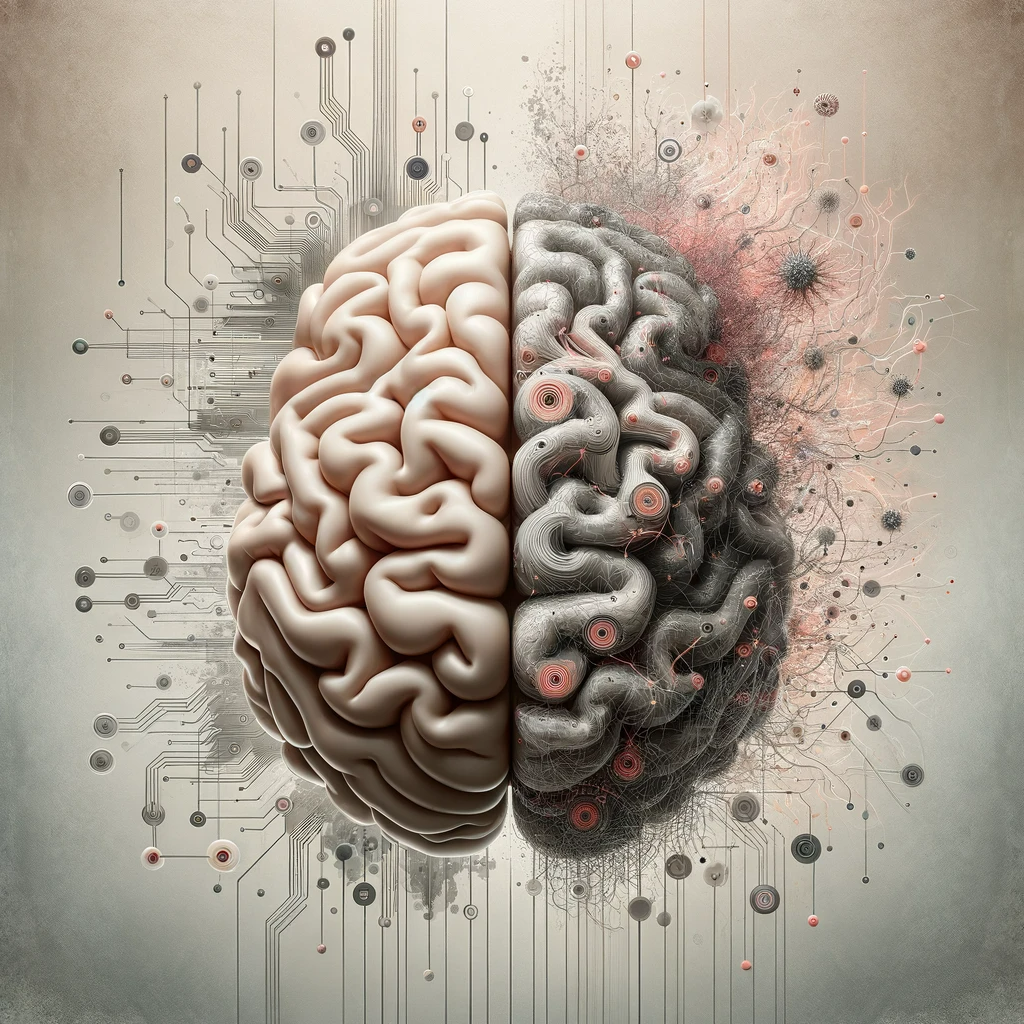
Unlocking the Molecular Secrets of Traumatic Brain Injury: A Path Toward Innovative Diagnostics and Therapies
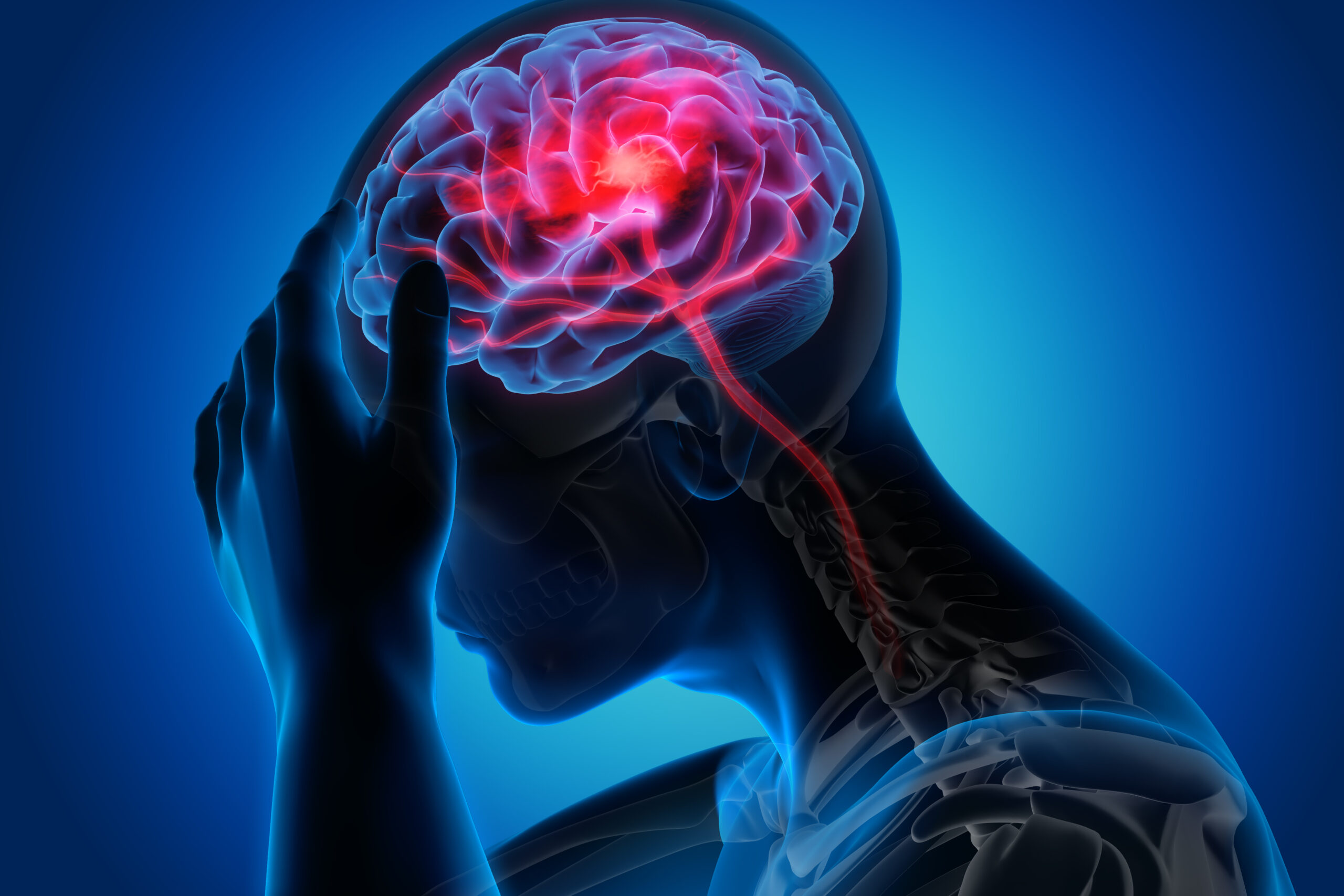
This article provides a comprehensive analysis of the multifaceted impacts of traumatic brain injury (TBI), with a specific focus on mild traumatic brain injuries (mTBIs) or concussions. It explores the prevalence and characteristics of cognitive impairments post-TBI, delving into the diverse and significant challenges they pose to individuals. The mechanisms and pathophysiology underlying these cognitive impairments are examined, highlighting the complex biochemical, cellular, and physiological changes involved. Furthermore, the article investigates the critical role of personality traits, psychological factors, and social determinants in the recovery and long-term outcomes of TBI. The interplay between these factors underscores the necessity of a holistic approach to TBI treatment and rehabilitation, emphasizing the importance of personalized care. Through this multidisciplinary analysis, the article aims to enhance understanding of TBI impacts, advocate for comprehensive care strategies, and propose directions for future research and policy development to improve the lives of individuals affected by TBI.
Chronic Cognitive Impairment Following Traumatic Brain Injury: A Closer Look Read Post »
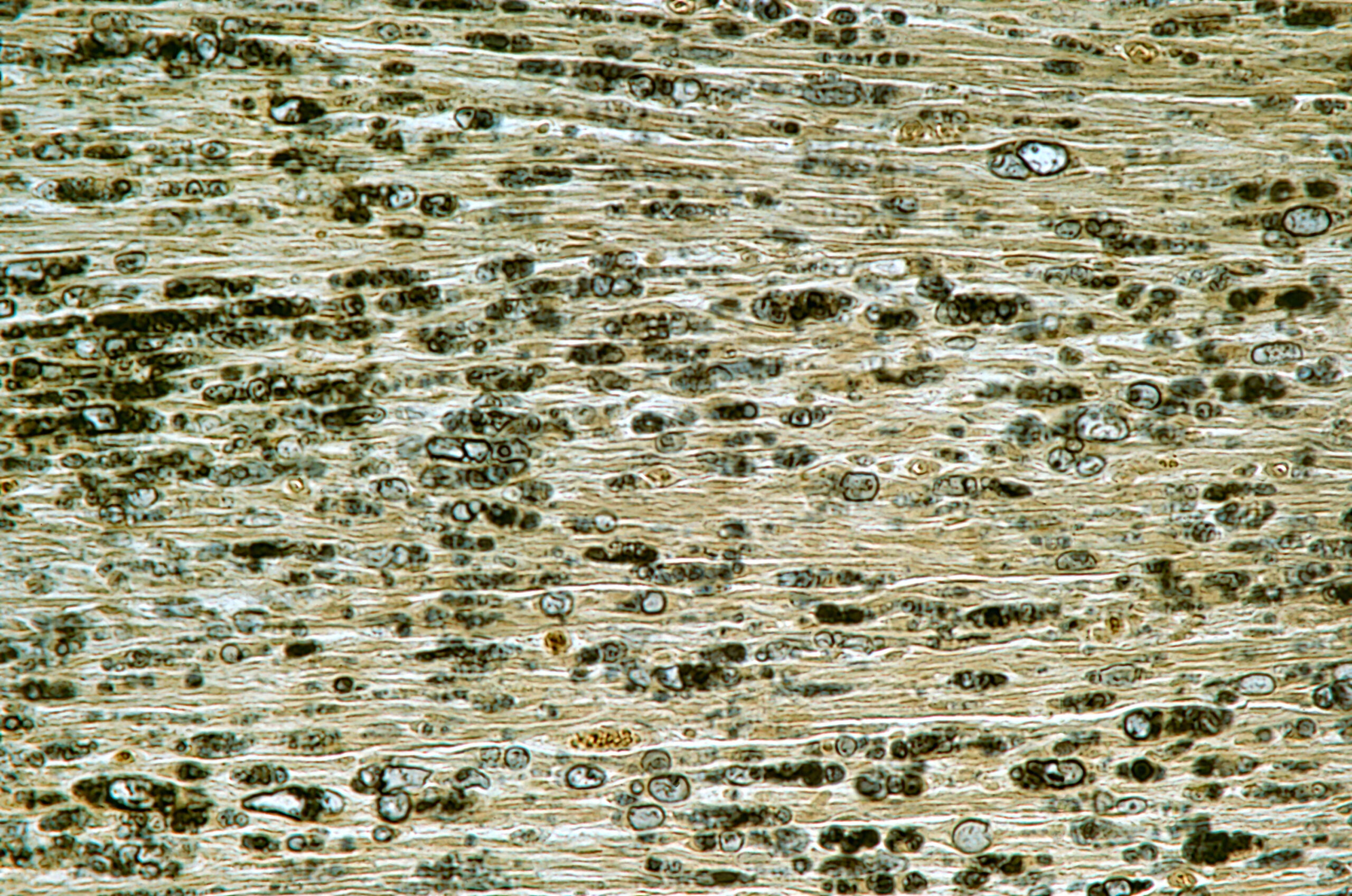
Exploring the intricate relationship between concussion history and brain pathology reveals a complex interplay of symptoms and conditions extending beyond the traditional focus on chronic traumatic encephalopathy (CTE). This overview delves into the multifaceted clinical manifestations and neuropathological outcomes associated with repeated head trauma, highlighting the role of DNA damage and the necessity for a broader diagnostic and therapeutic approach. As research unveils the varied mechanisms underlying concussion-related brain changes, it emphasizes the importance of personalized medicine in addressing the long-term effects of concussions, fostering a deeper understanding that could revolutionize patient care
Brain Pathology in the Context of Concussion History Read Post »