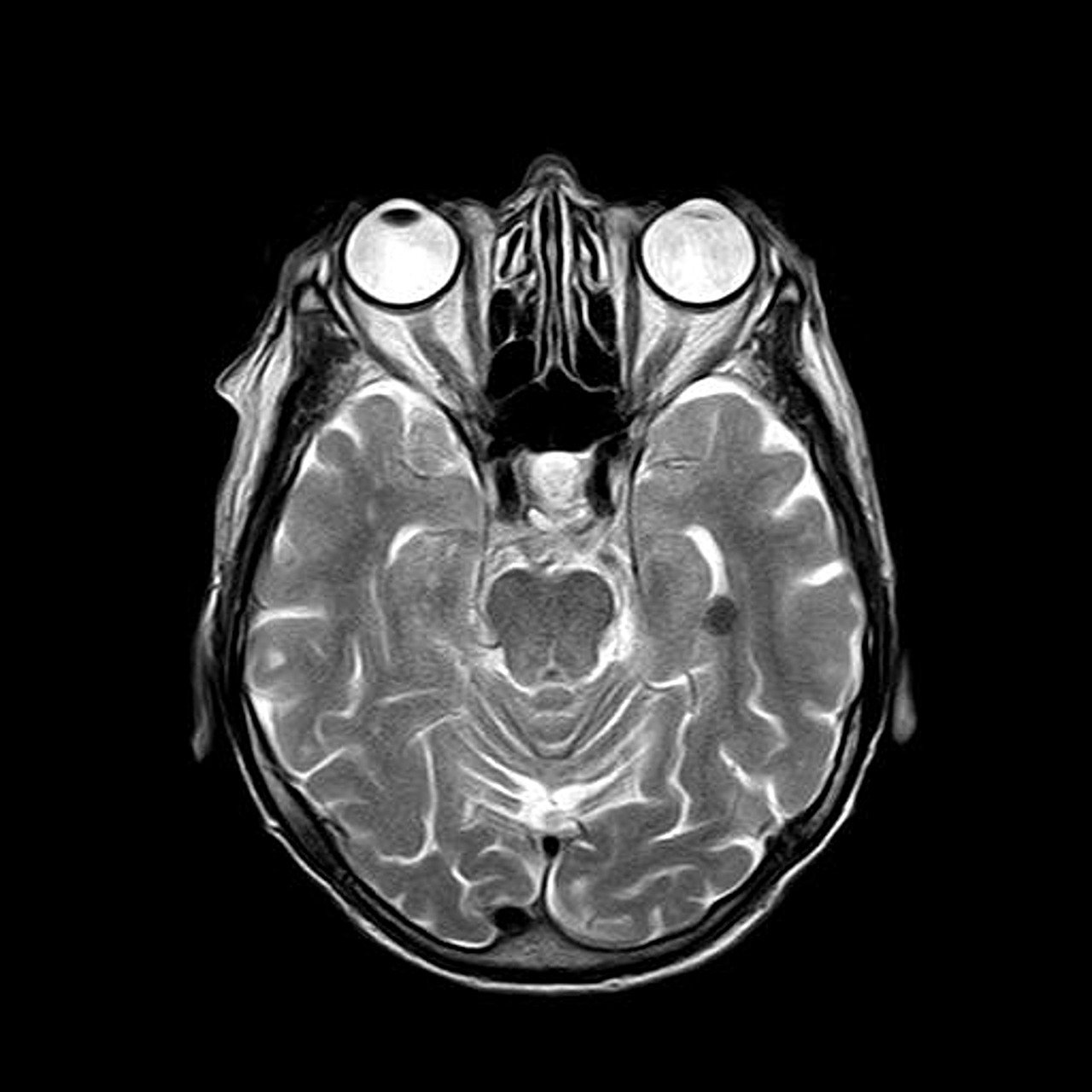
In exploring the epidemiological facets of mild traumatic brain injury (mTBI) and its subsequent risk of post-traumatic epilepsy (PTE), it becomes evident that while mTBI poses a lower risk for PTE compared to moderate or severe traumatic brain injuries, specific factors notably heighten this risk. These include the presence of intracranial hemorrhage, the occurrence of early post-traumatic seizures (EPTS) within the first week following the injury, and a history of alcohol misuse. The manifestations of seizures post-mTBI exhibit a broad spectrum, ranging from cases that progress to PTE to those with no lasting sequelae, underscoring the variability and complexity of post-traumatic seizure pathophysiology.
Annually, over 2% of the population in England and Wales seek emergency care for head injuries, with a significant proportion of these cases involving children. Approximately 20% of these incidents include a skull fracture or evidence of TBI, necessitating hospital admission for about 15% of the affected individuals. The nature of seizures following TBI can vary widely, from immediate concussive episodes to early seizures within the first week, and late epileptic seizures occurring more than a week after the injury. Notably, concussive seizures, which are distinct from tonic-clonic seizures and believed to include elements of primitive reflexes, typically do not lead to later epilepsy.
Studies reveal a nuanced picture of early seizures following head injuries, with findings from Oxford showing a 4.5% incidence rate often associated with skull fractures or intracranial hemorrhage. Further research, such as the study by Lee and Lui, indicates that even among initially classified mild head injury cases, significant hemorrhage uncovered upon subsequent imaging suggests more severe injuries. Additionally, investigations into subclinical seizures, detectable through EEG monitoring, have highlighted the significance of continuous EEG monitoring in patients with moderate to severe TBI, where seizures are suspected.
With TBI being a contributory factor in approximately 5% of new epilepsy cases and 20% of existing cases, the risk of developing epilepsy post-TBI is particularly pronounced in young adults and the elderly, especially following penetrating brain injuries. This risk assessment underscores the importance of a comprehensive understanding of TBI severity, its implications for the development of PTE, and the need for tailored monitoring and management strategies to mitigate the long-term consequences of TBI.