Expert Insights on Neurological Research

Shutterstock 620683553 Scaled

Salivary biomarkers in Post-concussion syndrome

Traumatic brain injuries (TBIs), particularly mild TBIs, present a complex diagnostic challenge due to their subtle manifestations and the broad spectrum of potential long-term consequences, including post-concussion syndrome (PCS) and chronic traumatic encephalopathy (CTE). The search for reliable diagnostic markers has led to the exploration of salivary biomarkers as a non-invasive, cost-effective means of detecting TBIs and assessing their severity. This review examines the role of salivary biomarkers—S100B, Neurofilament Light Chain (NfL), microRNAs (miRNAs), and Extracellular Vesicles (EVs)—in the diagnosis of TBIs and PCS. Elevated levels of S100B are associated with brain damage, suggesting its potential as an indicator of TBI. NfL, a marker of axonal injury, offers insights into the severity of neural damage. Altered miRNA profiles in saliva can reflect changes in gene expression related to neural injury, providing a molecular signature of TBI and PCS. Furthermore, EVs carry a cargo reflective of cellular and molecular changes post-injury, serving as a promising diagnostic tool. This review highlights the emerging significance of these salivary biomarkers in the early detection and management of TBIs, underscoring the need for further research to validate their clinical utility and integrate them into standard diagnostic protocols.

Salivary biomarkers in Post-concussion syndrome Read Post »
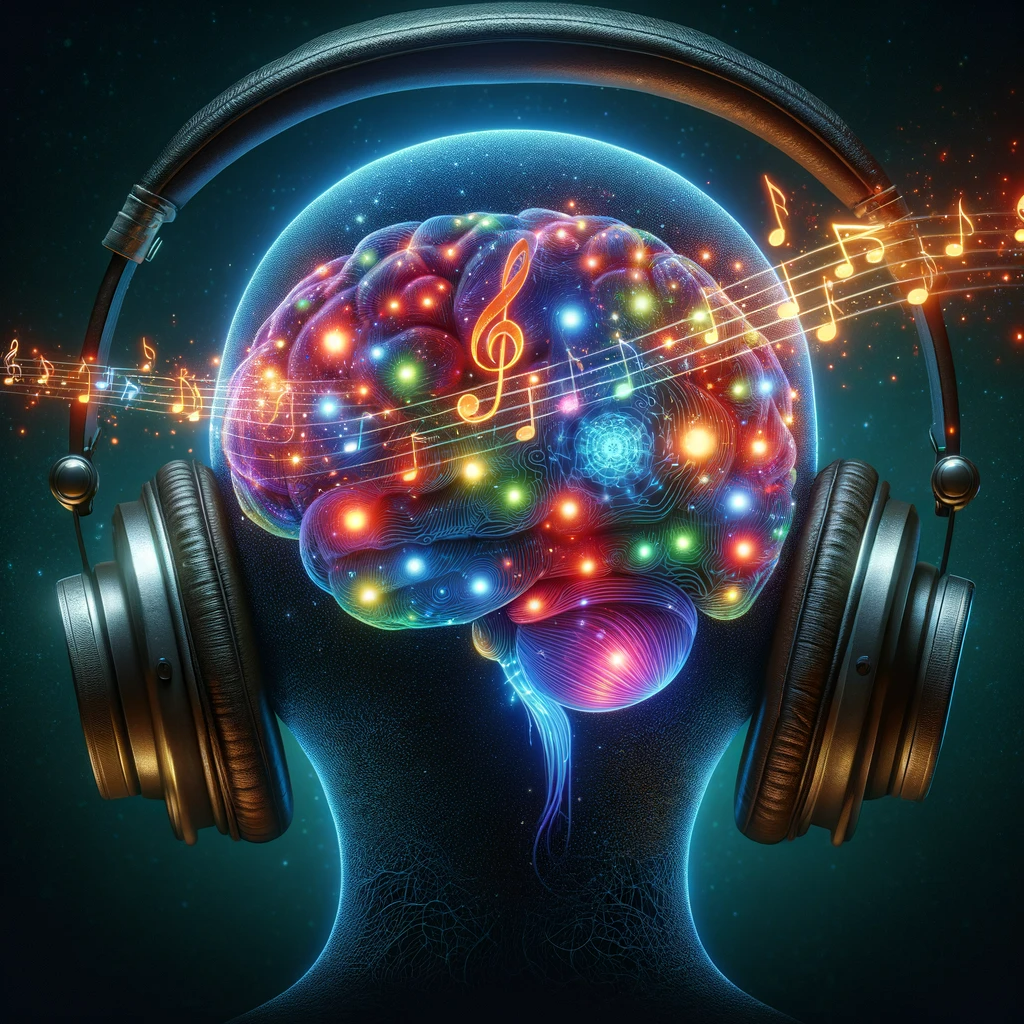
Mucsic And Brain

Harmonizing Recovery: The Role of Music in mTBI and PCS Rehabilitation

This article explores the therapeutic potential of music in the rehabilitation of individuals recovering from mild Traumatic Brain Injury (mTBI) and Post-Concussion Syndrome (PCS). It delves into how music therapy, through cognitive, emotional, and physical dimensions, can aid in the holistic recovery process. Cognitive improvements are highlighted by music’s ability to enhance memory, attention, and executive functions. The emotional support provided by music therapy offers relief from depression, anxiety, and stress, while its rhythmic elements assist in physical rehabilitation, improving coordination and movement. Furthermore, music therapy fosters social connections, enhancing the sense of community among individuals undergoing recovery. This comprehensive approach underscores the multifaceted benefits of music therapy in addressing the challenges faced by those recovering from mTBI and PCS.

Harmonizing Recovery: The Role of Music in mTBI and PCS Rehabilitation Read Post »

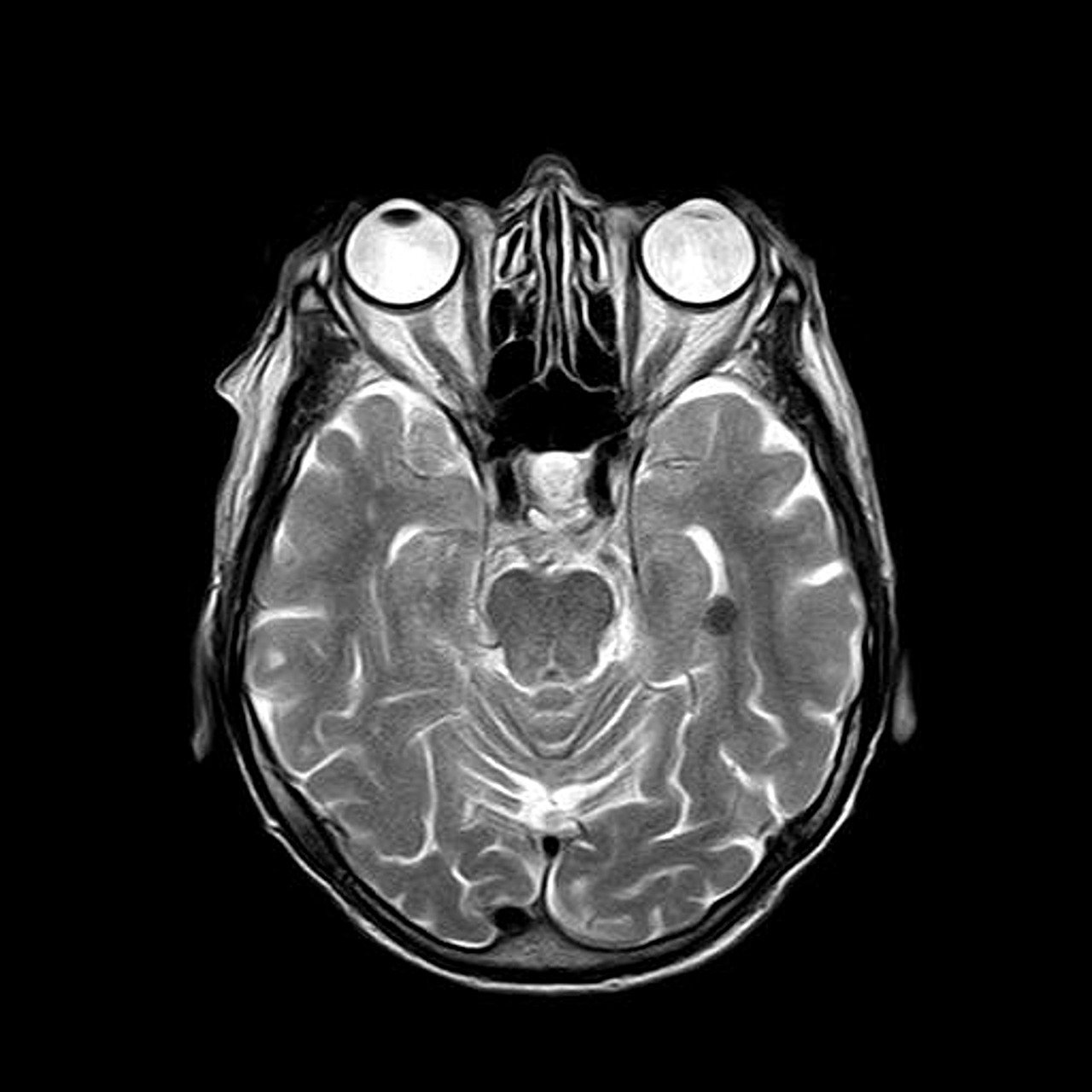
Mri 782457 1280

Understanding Traumatic Encephalopathy Syndrome (TES): A Comprehensive Overview

Traumatic Encephalopathy Syndrome demands a multidisciplinary approach to tackle its complexities. By advancing our understanding of TES through research, refining diagnostic criteria, and enhancing prevention and treatment strategies, we can better support those affected by this challenging syndrome. The path ahead calls for collaboration among researchers, clinicians, and stakeholders to safeguard brain health in populations at risk and ensure a future where the impacts of repetitive head trauma are fully understood and effectively managed.

Understanding Traumatic Encephalopathy Syndrome (TES): A Comprehensive Overview Read Post »

Shutterstock 1063712879 Scaled

Understanding Mild Traumatic Brain Injury (mTBI): An Overview

This article provides a comprehensive overview of Mild Traumatic Brain Injury (mTBI), focusing on its causes, symptoms, diagnosis, treatment, and management. mTBI, often known as a concussion, arises from sudden trauma to the head, leading to temporary disruptions in brain function. The diversity of mTBI symptoms—ranging from physical and cognitive to emotional—highlights the complexity of this condition. Diagnosis primarily involves a detailed medical evaluation, as imaging tests may not always detect the injury. Treatment strategies emphasize rest and gradual re-engagement with daily activities, alongside potential therapies for specific symptoms. This overview underscores the importance of early recognition and intervention in mitigating the effects of mTBI and supporting recovery, advocating for prompt medical attention and tailored management plans to ensure the best possible outcomes for affected individuals.

Understanding Mild Traumatic Brain Injury (mTBI): An Overview Read Post »

Shutterstock 89653558 Scaled

The Recovery Journey from Mild Traumatic Brain Injury

This article delves into the nuanced recovery process from Mild Traumatic Brain Injury (mTBI), detailing the phases from immediate post-injury through long-term adaptation. It emphasizes the variability of recovery trajectories and the comprehensive strategies needed to support healing. The early recovery phase stresses rest and symptom management, while intermediate recovery introduces rehabilitation therapies. Long-term recovery discusses ongoing support for persistent challenges. The critical role of support systems is highlighted, underscoring the importance of emotional, social, and professional resources in fostering resilience and promoting a successful adjustment to life post-mTBI. This guide aims to provide patients and caregivers with a roadmap for navigating the complex recovery landscape, advocating for a patient-centered approach to rehabilitation and reintegration.

The Recovery Journey from Mild Traumatic Brain Injury Read Post »

Scroll to Top