Expert Insights on Neurological Research

9C856E03 1923 4A1F A0FA EEE109C274C2

Understanding “Internal Fake News”: The Link Between Concussion, Sensory Alterations, and Emotional Health

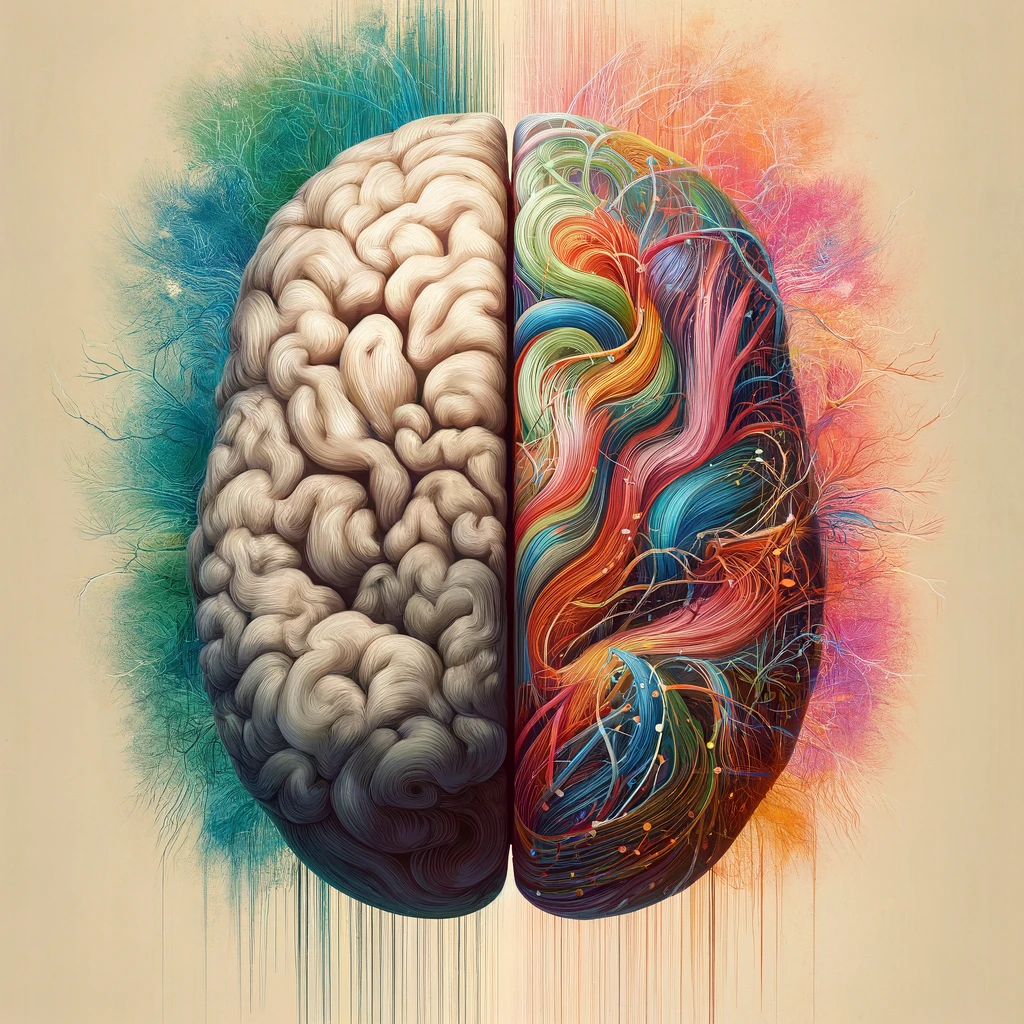
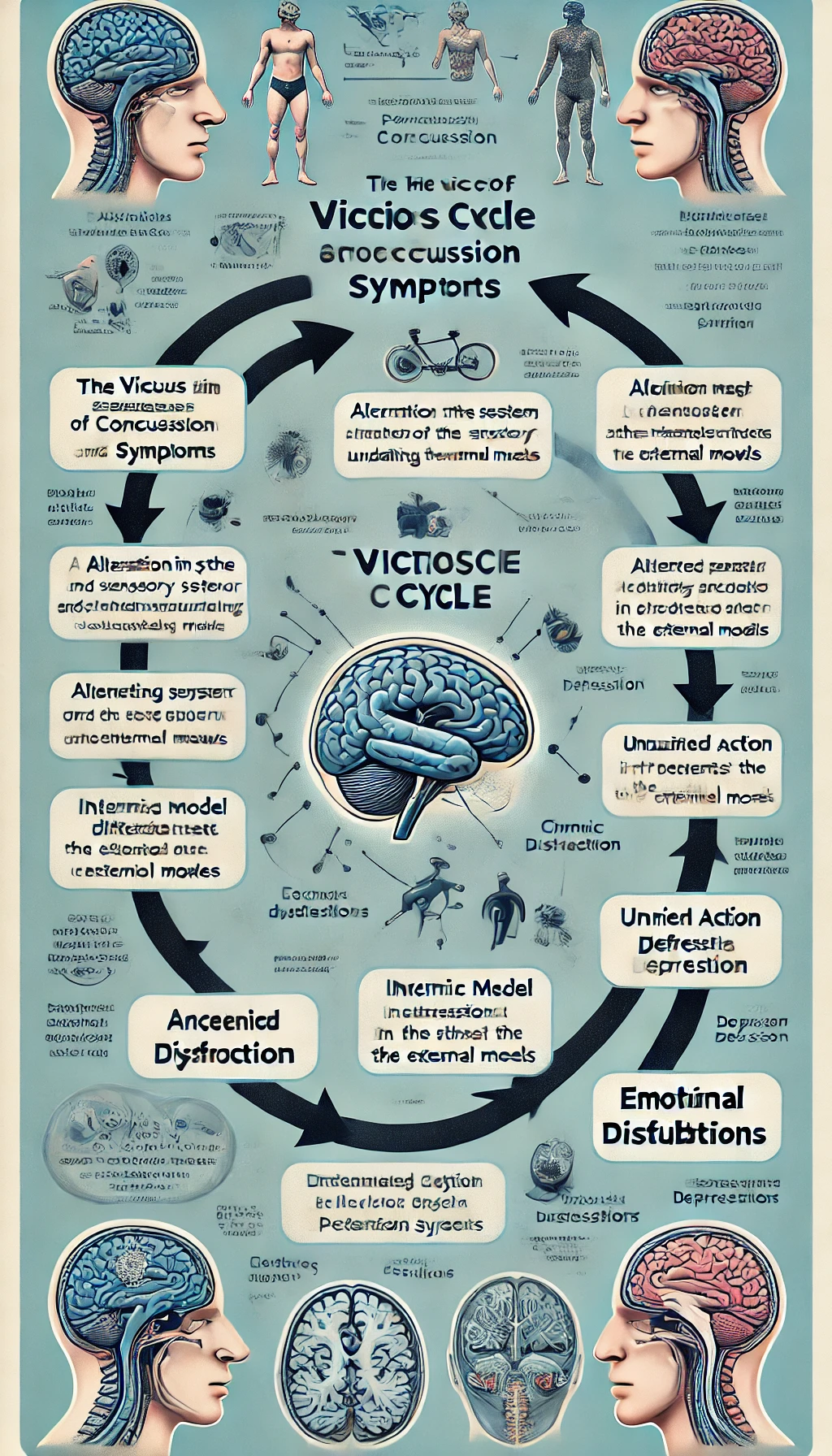
Concussions and post-concussion symptoms significantly impact the brain’s ability to process and integrate sensory information, leading to a phenomenon termed “internal fake news.” This occurs when altered sensory perceptions distort internal models, affecting decision-making and leading to a cascade of negative consequences including chronic stress, anxiety, and depression. The cerebellum’s role in integrating multisensory information is crucial for updating these internal models accurately. Disruptions in this process, commonly seen in concussion patients, result in a vicious cycle of emotional disturbances. Early intervention and a multidisciplinary approach are essential for mitigating these effects and supporting recovery.

Understanding “Internal Fake News”: The Link Between Concussion, Sensory Alterations, and Emotional Health Read Post »

Shutterstock 89653558 Scaled

Differentiating Between Concussion, Psychological Symptoms, and Malingering Using the ImPACT Test

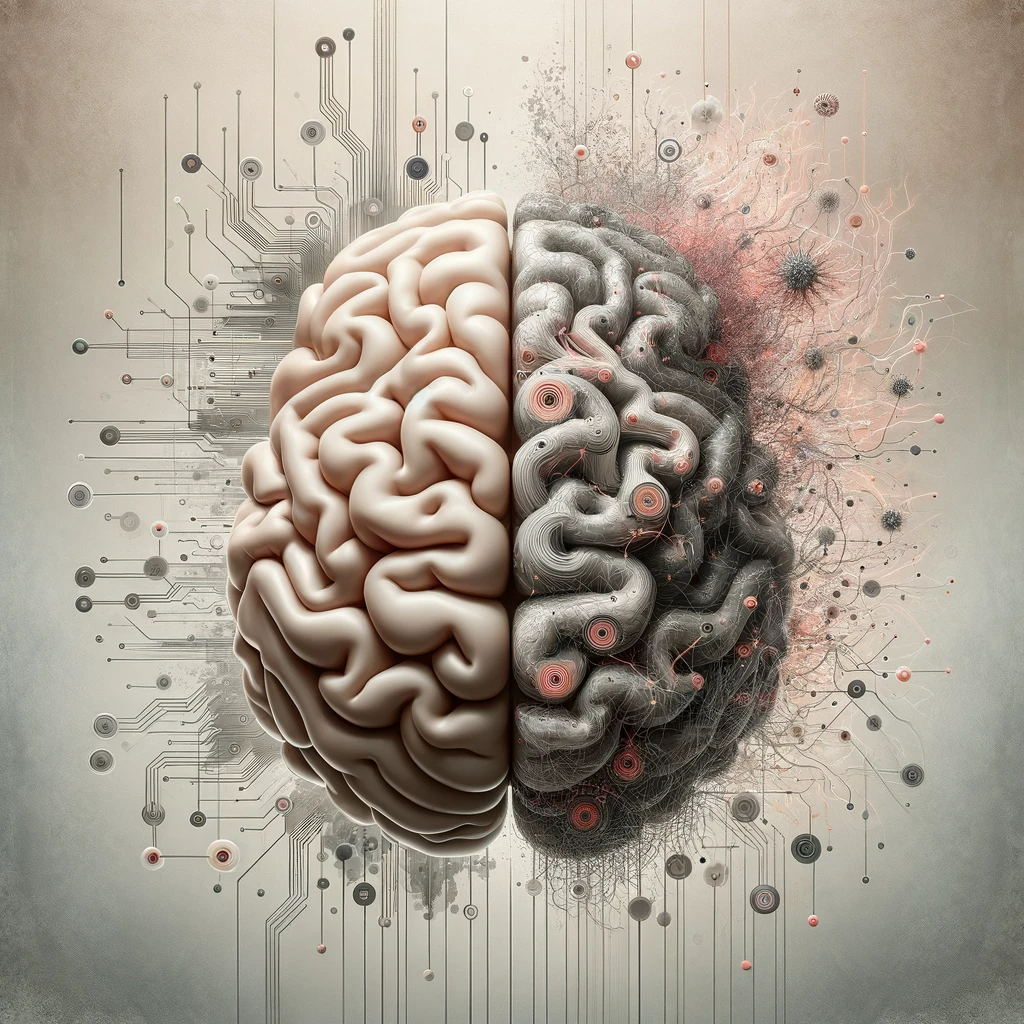
The Immediate Post-Concussion Assessment and Cognitive Testing (ImPACT) is a vital tool in the assessment of concussions, providing objective data on cognitive function and symptomatology. This article explores how ImPACT can differentiate between symptoms originating from concussions, psychological conditions, and malingering. Through cognitive assessments, symptom tracking, baseline comparisons, and validity indicators, ImPACT aids clinicians in distinguishing between these conditions. However, it emphasizes that ImPACT should be part of a comprehensive clinical evaluation for accurate diagnosis and effective management.

Differentiating Between Concussion, Psychological Symptoms, and Malingering Using the ImPACT Test Read Post »

Scroll to Top