Top Posts
Post-traumatic headache: Treatment Overview
The starry night
Distinguishing Mild Neurocognitive Disorder Due to TBI in...
The Moors Murders: A Chilling Crime and the...
Acute Mild Traumatic Brain Injury (Concussion) in Adults:...
Understanding Functional Neurological Disorder (FND): A Comprehensive Guide...
The Neurobiology of a Killer: Understanding Christopher Halliwell’s...
Traumatic Brain Injury and Cognitive Decline: Exploring the...
Santiago Ramón y Cajal: The Father of Modern...
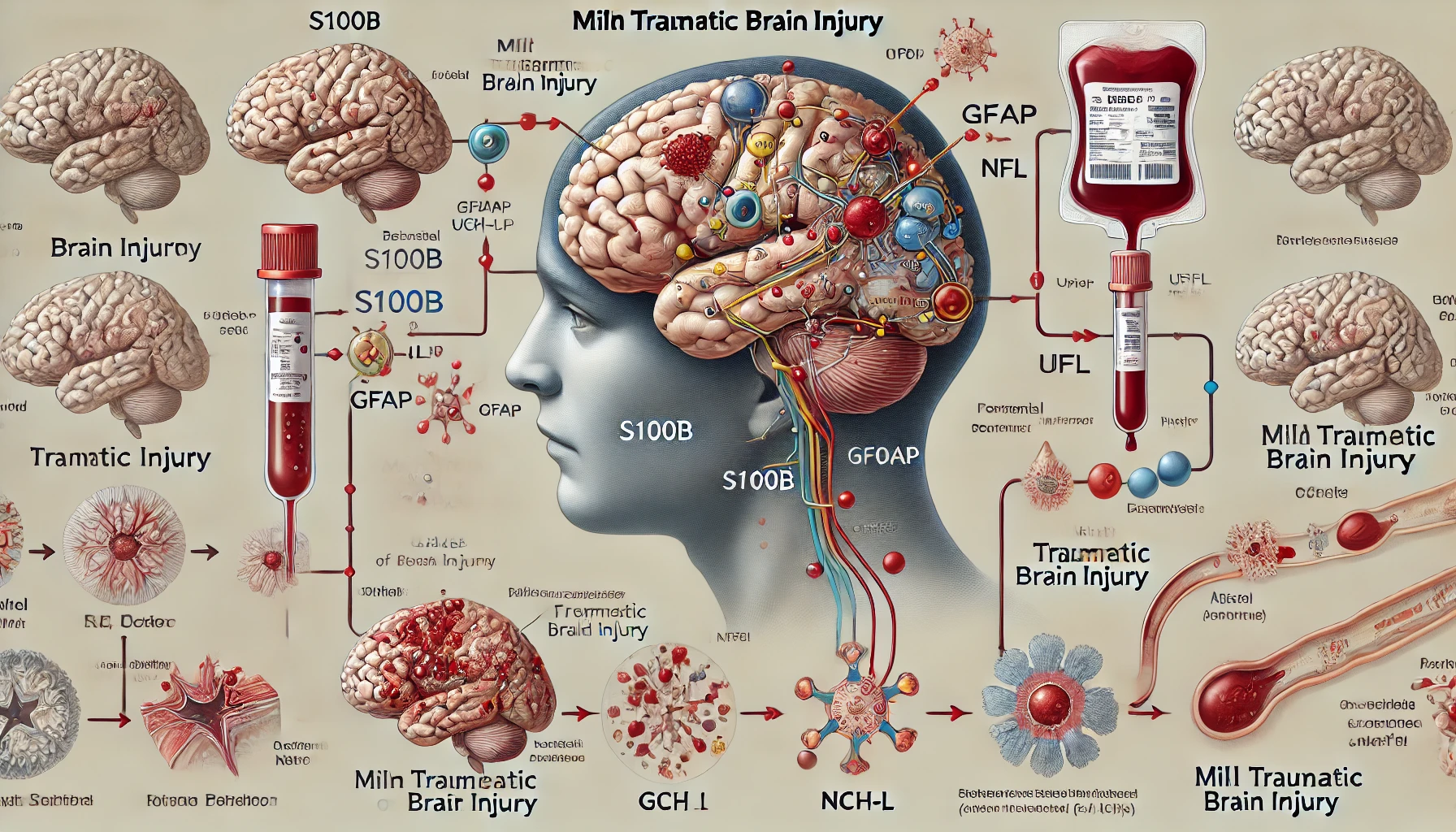
Exploring the Role of Salivary Biomarkers in Mild...
  • Home
  • Traumatic brain injury
  • Functional neurological disorders
  • Dementia
  • Headaches
myneuronews.com
"Insights into mTBI, PCS, and FND — One Synapse at a Time" A bit more creative, nodding to neuroscience roots while covering your full range.
Category:

Chronic Traumatic Encephalopathy

  • Chronic Traumatic EncephalopathyTraumatic brain injury

    Exploring the Complex Impact of Repeated Head Trauma in Contact Sports: Beyond CTE

    by Ioannis Mavroudis November 6, 2024
    by Ioannis Mavroudis November 6, 2024

    The connection between repeated head trauma and long-term health issues has gained significant attention in …

    Read more
    0 FacebookTwitterPinterestEmail
  • Chronic Traumatic EncephalopathyTraumatic brain injury

    Parkinsonism and Repetitive Head Injury: Understanding the Connection

    by Ioannis Mavroudis October 22, 2024
    by Ioannis Mavroudis October 22, 2024

    Parkinsonism, a clinical syndrome characterized by tremors, bradykinesia (slowness of movement), rigidity, and postural instability, …

    Read more
    0 FacebookTwitterPinterestEmail
  • Chronic Traumatic EncephalopathyDementiaTraumatic brain injury

    Dementia After Traumatic Brain Injury (TBI): Analysis of Mechanisms, Risks, and Future Research

    by Ioannis Mavroudis October 5, 2024
    by Ioannis Mavroudis October 5, 2024

    Traumatic brain injury (TBI) is recognized as a major global health concern, with an annual …

    Read more
    0 FacebookTwitterPinterestEmail
  • Chronic Traumatic EncephalopathyTraumatic brain injury

    Review of TES/CTE: Diagnosis, Criteria, and Challenges

    by Ioannis Mavroudis October 1, 2024
    by Ioannis Mavroudis October 1, 2024

    Chronic Traumatic Encephalopathy (CTE) has gained significant attention in recent years due to its association …

    Read more
    0 FacebookTwitterPinterestEmail
  • Dorsal root ganglion neuromodulation restores accumbal gate to inhibit mechanical allodynia
    Study Overview The investigation focused on the role of dorsal root ganglion (DRG) neuromodulation in…
  • Animal-assisted support programs for residents in Canadian long-term care homes: a feasibility and acceptability study
    Study Overview In recent years, there has been a growing interest in the potential benefits…
  • Sex Differences in Severity and Recovery Following Mild Traumatic Brain Injury: A Systematic Review
    Gender Differences in Brain Injury Response Research indicates that there are notable variances in how…
  • A Prefrontal Neuromodulation Route for Post-Traumatic Olfactory Dysfunction: A Perspective Supported by Recovery During Left-DLPFC rTMS
    Neuromodulation Mechanisms Neuromodulation refers to the process by which certain substances or stimuli influence the…
  • Non-Pharmacological Approaches to Addressing Overweight and Obesity in Children and Adolescents with Mental Illness: A Scoping Review of Quantitative and Qualitative Evidence
    Study Overview The research meticulously investigates the intersection of overweight and obesity in children and…

Archives

  • January 2026
  • December 2025
  • November 2025
  • October 2025
  • September 2025
  • August 2025
  • July 2025
  • June 2025
  • May 2025
  • April 2025
  • March 2025
  • February 2025
  • November 2024
  • October 2024
  • September 2024
  • July 2024
  • June 2024
  • May 2024
  • April 2024
  • March 2024
  • February 2024

Categories

  • Biomarkers
  • Brain & Art
  • Brain & Crime
  • Chronic Traumatic Encephalopathy
  • Cognitive impairment
  • Cranial nerves
  • Dementia
  • Diagnostic Criteria
  • Functional neurological disorders
  • Headaches
  • Medical professionals
  • Neuroanatomy
  • Neurology Pioneers
  • Neuroscience
  • NeuroVideos
  • Patient education
  • Post traumatic epilepsy
  • Post traumatic headache
  • Research
  • Traumatic brain injury
  • Uncategorized

Research

  • Beyond the Concussion: Cerebral Venous Thrombosis Following Mild-to-Moderate Traumatic Brain Injury
    Cerebral venous sinus thrombosis (CVST) accounts for a small proportion of strokes. Still, it carries meaningful clinical impact, classically linked to systemic prothrombotic conditions, hormonal influences, and severe traumatic brain injury (TBI). However, with advances in neuroimaging, it's now evident that trauma-related CVST (tCVST) can also complicate mild to moderate head injuries even in the […]
  • Network co-activation relates to executive function following pediatric traumatic brain injury
    CONCLUSIONS: Findings illustrate the implications of disrupted downregulation of the default mode network by the SN following pediatric brain injury. They also demonstrate how disruption in functional connectivity may underlie poor executive function after childhood traumatic brain injury.
  • Symptom Exacerbation With Physical and Mental Activity and the Association With Clinical Outcomes After Sport-Related Concussion in Youth and Adults
    CONCLUSIONS: These results demonstrate a potential physiological link between CSp and VOR deficits with self-reported symptom exacerbation during physical and mental activity, respectively. Future research is warranted to delineate the neurophysiological basis of these findings.
  • Updated Status of Physical Activity Research for People With Traumatic Brain Injury
    CONCLUSIONS: The greater number of studies in Phases 3 and 4 suggest the field has evolved in 12 years. The lack of progress in Phase 5 provides opportunity for implementation science efforts. Recommendations for physical activity behavior research after msTBI are discussed.
  • Driving After Concussion: The Influence of Days Since Concussion on Simulated Driving Performance Recovery
    CONCLUSIONS: Clinicians should consider recommendations that support limited driving during the acute stages (24-72 hours) of concussion followed by a gradual return to driving. A longitudinal study design in a larger sample is needed to better define driving performance recovery following concussion.

Newsletter

Subscribe my Newsletter for new blog posts, tips & new photos. Let's stay updated!

  • Facebook
  • Twitter
  • Linkedin
  • Youtube
  • Email
myneuronews.com
  • Home
  • Traumatic brain injury
  • Functional neurological disorders
  • Dementia
  • Headaches
myneuronews.com
  • Home
  • Traumatic brain injury
  • Functional neurological disorders
  • Dementia
  • Headaches
@2021 - All Right Reserved. Designed and Developed by PenciDesign