Functional neurological disorders

Shutterstock 1063712879 Scaled

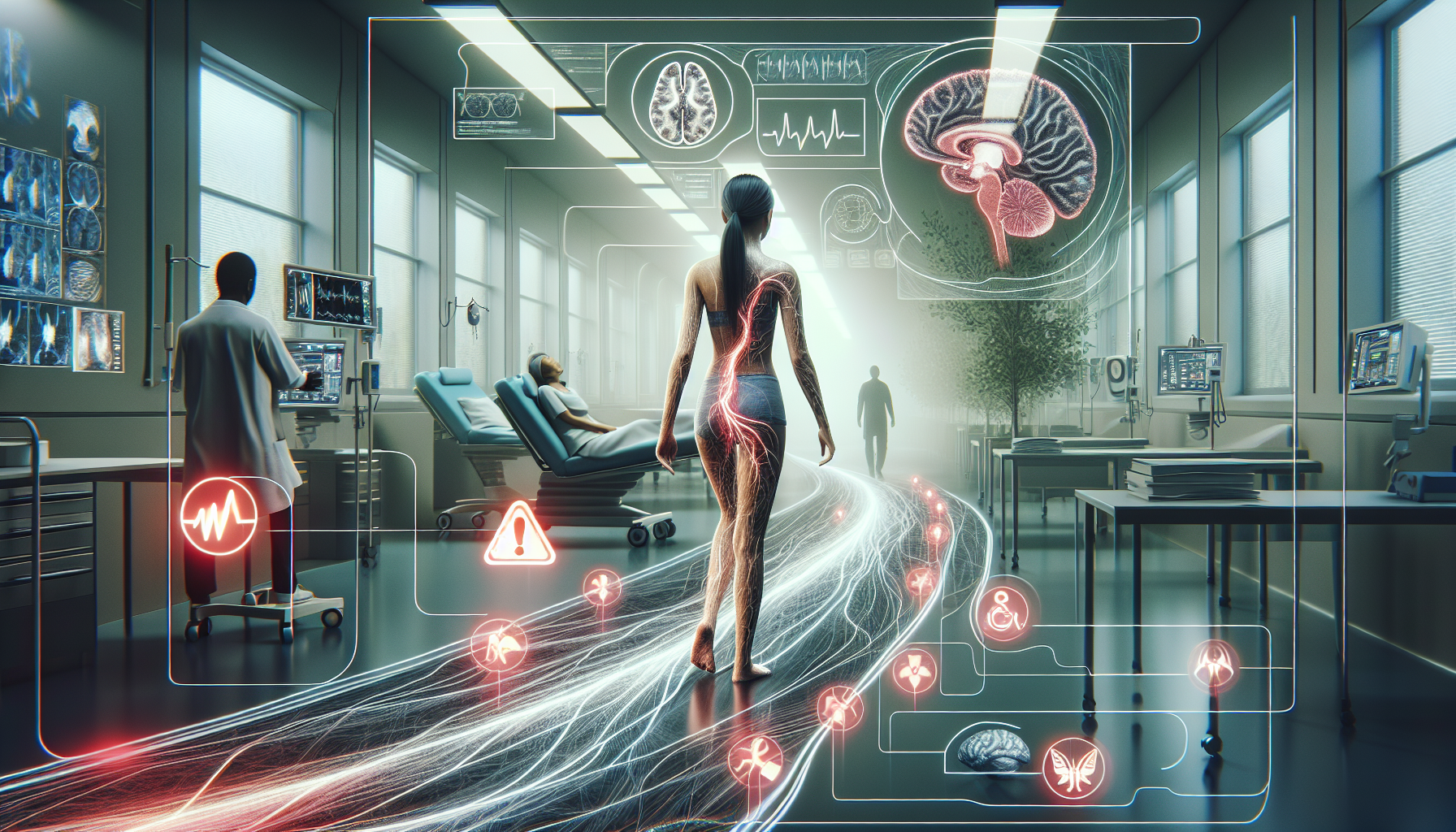
Foreign Accent Syndrome

Foreign Accent Syndrome (FAS) is an uncommon speech disorder where individuals develop a new, seemingly foreign accent in their native language. This review explores FAS within the contexts of functional neurological disorders (FND) and mild traumatic brain injuries (mTBIs).

In FNDs, FAS is often classified as a functional speech disorder, where no definitive structural brain lesions or neurological causes are identified. Cases suggest a psychogenic or functional origin, possibly triggered by psychological stress. Studies highlight that FAS in FNDs features inconsistencies and intermittency in speech patterns, which can occur even in the presence of structural brain damage.

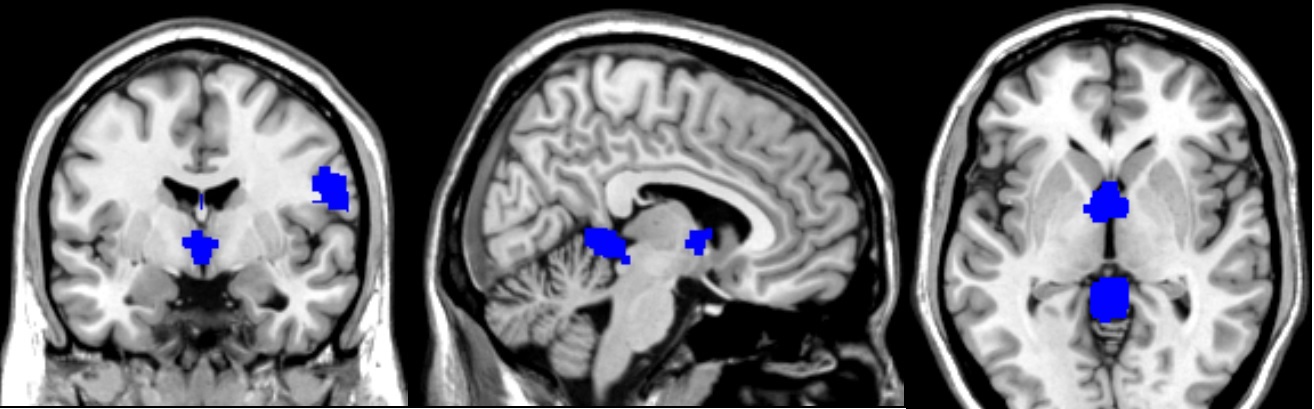
In mTBIs, FAS can emerge without significant structural lesions visible on imaging. Reports indicate that even minor head injuries might lead to FAS, with functional or metabolic brain changes undetected by standard imaging techniques. For instance, abnormal functions in specific brain regions, such as the left dorsolateral inferior frontal gyrus and caudate nucleus, have been implicated.

Overall, the occurrence of FAS in both FNDs and post-mTBI contexts underscores the complexity of this speech disorder and the need for integrated diagnostic and therapeutic approaches. The studies reviewed suggest that functional and metabolic assessments, alongside behavioural interventions, are crucial for understanding and managing FAS effectively.


Foreign Accent Syndrome Read Post »

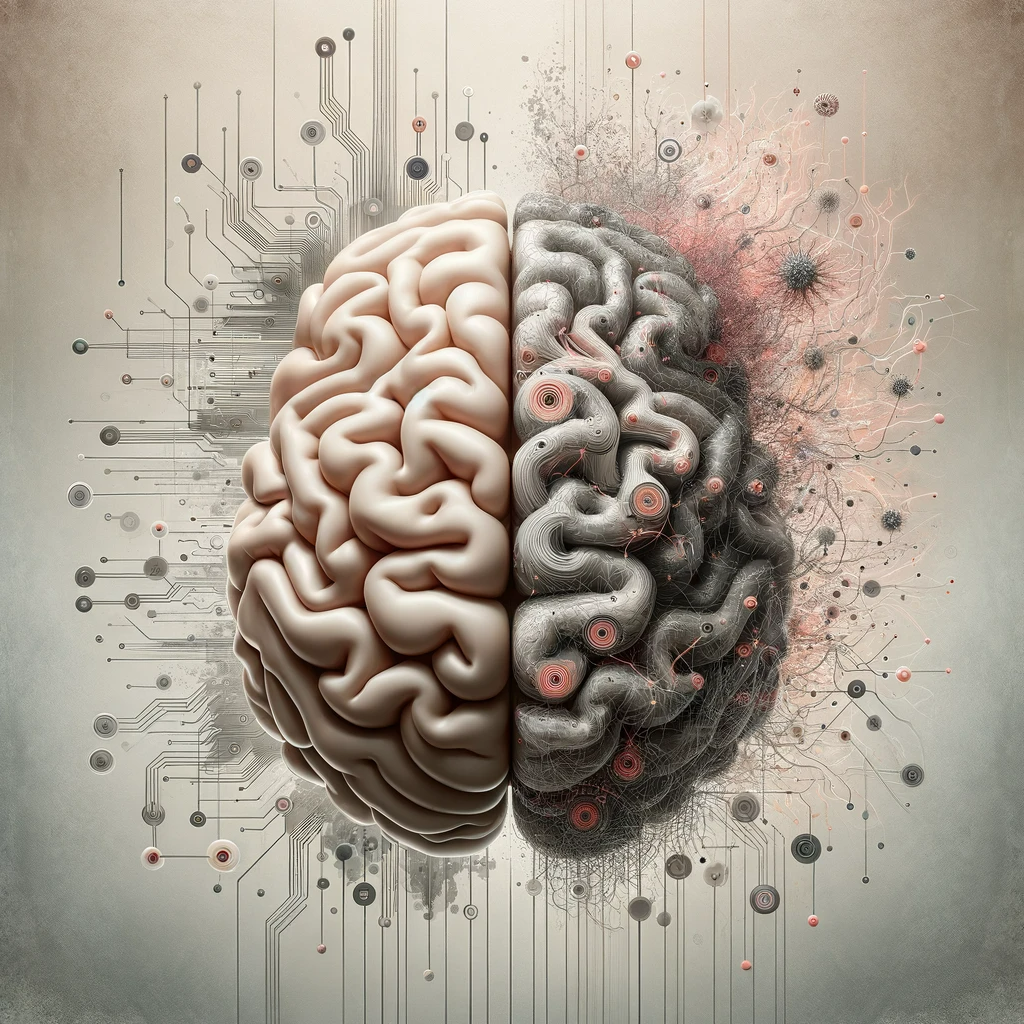
DALL·E 2024 05 15 15.58.51 An Artistic Conceptual Illustration For A Medical Publication Cover About Functional Neurological Disorders FND. The Image Should Feature A Human Br

Misdiagnosis in Functional Neurological Disorders (FND)

Functional Neurological Disorders (FND) present with symptoms that lack clear organic causes and mimic other neurological disorders. This overlap complicates diagnosis and significantly increases the likelihood of misdiagnosis. Traditionally considered a diagnosis of exclusion, the approach to FND has shifted towards inclusion based on specific clinical indicators. Despite advancements in diagnostic techniques and a growing understanding of FND’s pathophysiology, misdiagnoses remain common. These are often exacerbated by persistent misconceptions, such as viewing FND as solely psychological or suspecting symptom feigning. Misdiagnoses lead to inappropriate treatments, which are costly, potentially harmful, and psychologically damaging to patients. This paper reviews the challenges and impacts of FND misdiagnosis, emphasizes the importance of an informed, multidisciplinary approach for accurate diagnosis, and suggests advancements in neuroimaging and clinical education as critical tools for improvement.

Misdiagnosis in Functional Neurological Disorders (FND) Read Post »

Shutterstock 620683553 Scaled

Diagnosis of functional neurological disorder

he diagnosis of Functional Neurological Disorder (FND) represents a challenging but critical endeavor in neurology and psychiatry, requiring an integrated approach that transcends traditional diagnostic categories. This paper outlines a comprehensive framework for diagnosing FND, emphasizing the importance of direct clinical assessment, the strategic exclusion of other neurological and medical conditions, and the identification of characteristic positive signs. Contrary to being a diagnosis of exclusion, FND involves specific, identifiable signs such as Hoover’s sign, distractibility, and other non-physiological findings. These markers facilitate a positive diagnostic outcome, reinforcing that FND symptoms are genuine and rooted in functional impairments rather than structural abnormalities. Furthermore, the method of communicating the diagnosis to patients significantly affects their understanding, acceptance, and engagement in subsequent treatment, which can include physical therapy, psychotherapy, and medication. By providing a clear diagnostic pathway that incorporates both neurologic and psychiatric expertise, this paper aims to enhance the accuracy of FND diagnoses and improve patient outcomes through tailored, multidisciplinary care.

Diagnosis of functional neurological disorder Read Post »

Scroll to Top