Cognitive impairment

Shutterstock 1423084877 Scaled

Functional Cognitive Impairment Following Mild Traumatic Brain Injury (mTBI)

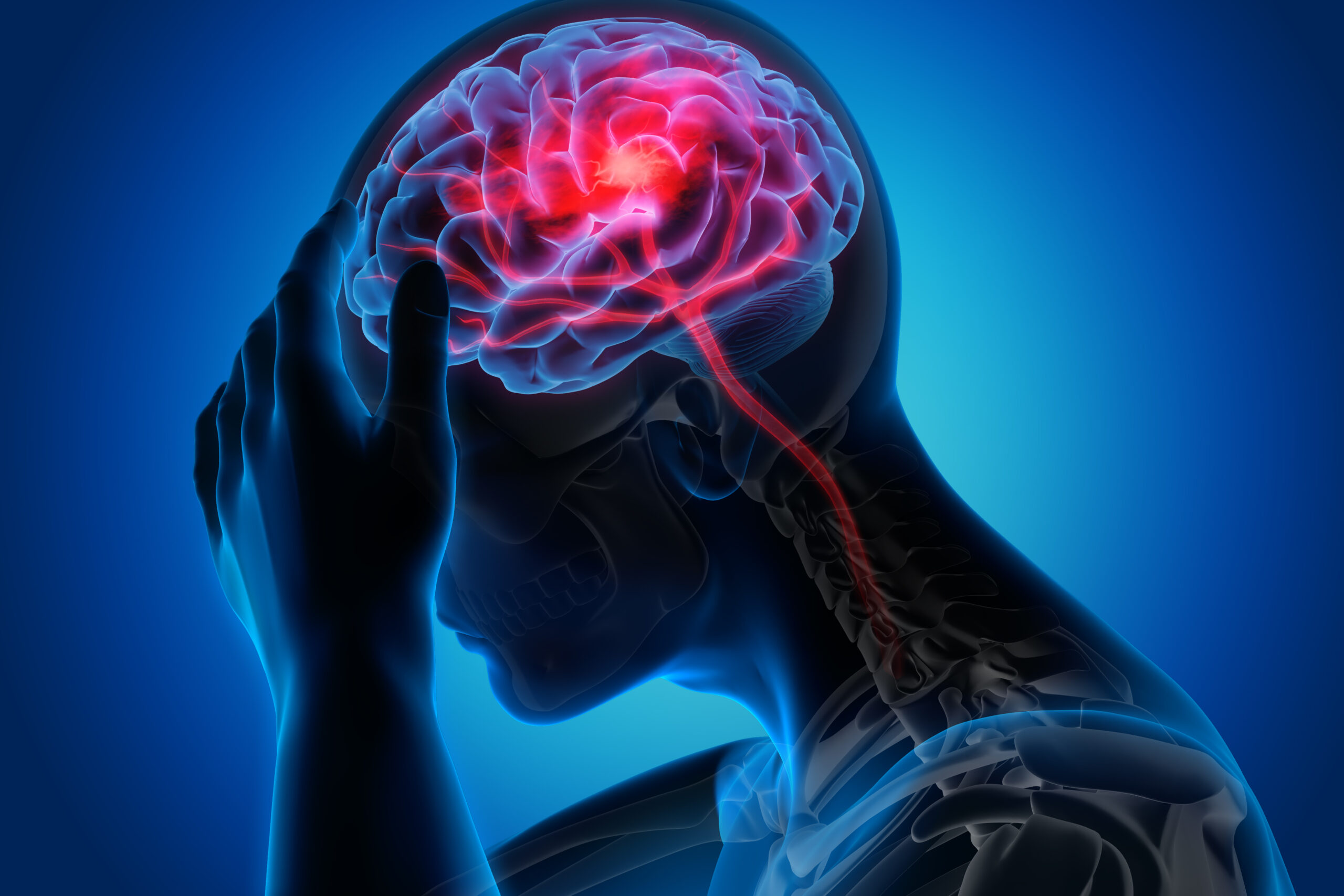
Functional cognitive impairment (FCI) post-mild traumatic brain injury (mTBI) presents a significant challenge, often manifesting subtle symptoms that persist well beyond the healing of physical injuries. The primary causative factor is the brain trauma itself, which disrupts normal cognitive functioning and is exacerbated by metacognitive impairments, psychological factors such as depression and anxiety, and physical symptoms like fatigue and headache. Despite normal results on traditional neuropsychological tests, affected individuals may struggle with daily cognitive tasks, impacting their quality of life. While treatment options like transcranial Direct Current Stimulation (tDCS) and cognitive rehabilitation programs show promise, the prognosis for FCI varies widely, dependent on several factors including the severity of the initial injury and individual health conditions. Emerging research using techniques like [18F]fluorodeoxyglucose positron emission tomography ([18F]FDG-PET) offers new insights into prognosis, enhancing understanding and management of FCI.

Functional Cognitive Impairment Following Mild Traumatic Brain Injury (mTBI) Read Post »

Mri 782457 1280

Risk Factors for Functional Cognitive Impairment after Mild Traumatic Brain Injury

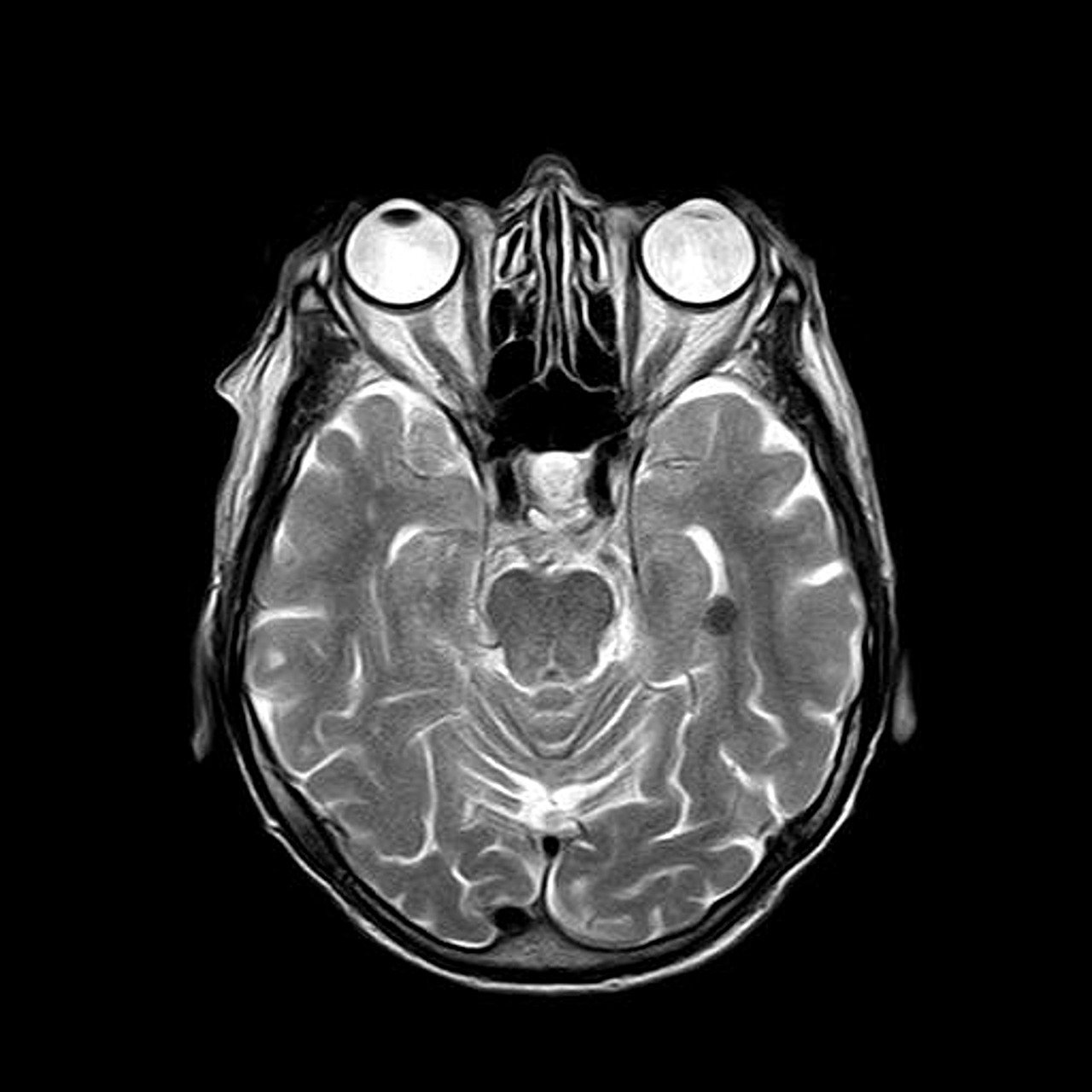
Mild traumatic brain injury (mTBI) poses a risk of long-term functional cognitive impairment (CI), influenced by diverse pre- and post-injury factors. This review synthesizes current research on the risk factors associated with CI following mTBI, drawing from recent findings in neuropsychological assessments, neuroimaging studies, and genetic analyses. Pre-injury comorbidities such as psychiatric conditions and hypertension, alongside demographic factors like age and gender, have been identified as significant contributors to post-mTBI cognitive challenges. Additionally, injury-specific symptoms including fatigue and headaches are crucial predictors of CI. Neuroimaging techniques, including functional MRI and diffusion tensor imaging, reveal changes in brain structure and connectivity that correlate with cognitive deficits. The presence of the Apolipoprotein epsilon 4 allele also heightens the risk of CI and interacts with other conditions such as Alzheimer’s disease. Methodologically, the research utilizes cross-sectional and longitudinal studies to map the progression of CI and employs statistical analyses to elucidate significant predictors. This comprehensive approach underscores the complexity of diagnosing and managing CI post-mTBI, highlighting the need for targeted intervention strategies based on individual risk profiles.

Risk Factors for Functional Cognitive Impairment after Mild Traumatic Brain Injury Read Post »

Shutterstock 1423084877 Scaled

Chronic Cognitive Impairment Following Traumatic Brain Injury: A Closer Look

This article provides a comprehensive analysis of the multifaceted impacts of traumatic brain injury (TBI), with a specific focus on mild traumatic brain injuries (mTBIs) or concussions. It explores the prevalence and characteristics of cognitive impairments post-TBI, delving into the diverse and significant challenges they pose to individuals. The mechanisms and pathophysiology underlying these cognitive impairments are examined, highlighting the complex biochemical, cellular, and physiological changes involved. Furthermore, the article investigates the critical role of personality traits, psychological factors, and social determinants in the recovery and long-term outcomes of TBI. The interplay between these factors underscores the necessity of a holistic approach to TBI treatment and rehabilitation, emphasizing the importance of personalized care. Through this multidisciplinary analysis, the article aims to enhance understanding of TBI impacts, advocate for comprehensive care strategies, and propose directions for future research and policy development to improve the lives of individuals affected by TBI.

Chronic Cognitive Impairment Following Traumatic Brain Injury: A Closer Look Read Post »

Scroll to Top