Traumatic brain injury

Shutterstock 1423084877 Scaled

Functional Cognitive Impairment Following Mild Traumatic Brain Injury (mTBI)

Functional cognitive impairment (FCI) post-mild traumatic brain injury (mTBI) presents a significant challenge, often manifesting subtle symptoms that persist well beyond the healing of physical injuries. The primary causative factor is the brain trauma itself, which disrupts normal cognitive functioning and is exacerbated by metacognitive impairments, psychological factors such as depression and anxiety, and physical symptoms like fatigue and headache. Despite normal results on traditional neuropsychological tests, affected individuals may struggle with daily cognitive tasks, impacting their quality of life. While treatment options like transcranial Direct Current Stimulation (tDCS) and cognitive rehabilitation programs show promise, the prognosis for FCI varies widely, dependent on several factors including the severity of the initial injury and individual health conditions. Emerging research using techniques like [18F]fluorodeoxyglucose positron emission tomography ([18F]FDG-PET) offers new insights into prognosis, enhancing understanding and management of FCI.

Functional Cognitive Impairment Following Mild Traumatic Brain Injury (mTBI) Read Post »

Mri 782457 1280

Risk Factors for Functional Cognitive Impairment after Mild Traumatic Brain Injury

Mild traumatic brain injury (mTBI) poses a risk of long-term functional cognitive impairment (CI), influenced by diverse pre- and post-injury factors. This review synthesizes current research on the risk factors associated with CI following mTBI, drawing from recent findings in neuropsychological assessments, neuroimaging studies, and genetic analyses. Pre-injury comorbidities such as psychiatric conditions and hypertension, alongside demographic factors like age and gender, have been identified as significant contributors to post-mTBI cognitive challenges. Additionally, injury-specific symptoms including fatigue and headaches are crucial predictors of CI. Neuroimaging techniques, including functional MRI and diffusion tensor imaging, reveal changes in brain structure and connectivity that correlate with cognitive deficits. The presence of the Apolipoprotein epsilon 4 allele also heightens the risk of CI and interacts with other conditions such as Alzheimer’s disease. Methodologically, the research utilizes cross-sectional and longitudinal studies to map the progression of CI and employs statistical analyses to elucidate significant predictors. This comprehensive approach underscores the complexity of diagnosing and managing CI post-mTBI, highlighting the need for targeted intervention strategies based on individual risk profiles.

Risk Factors for Functional Cognitive Impairment after Mild Traumatic Brain Injury Read Post »

Shutterstock 1423084877 Scaled

Chronic Cognitive Impairment Following Traumatic Brain Injury: A Closer Look

This article provides a comprehensive analysis of the multifaceted impacts of traumatic brain injury (TBI), with a specific focus on mild traumatic brain injuries (mTBIs) or concussions. It explores the prevalence and characteristics of cognitive impairments post-TBI, delving into the diverse and significant challenges they pose to individuals. The mechanisms and pathophysiology underlying these cognitive impairments are examined, highlighting the complex biochemical, cellular, and physiological changes involved. Furthermore, the article investigates the critical role of personality traits, psychological factors, and social determinants in the recovery and long-term outcomes of TBI. The interplay between these factors underscores the necessity of a holistic approach to TBI treatment and rehabilitation, emphasizing the importance of personalized care. Through this multidisciplinary analysis, the article aims to enhance understanding of TBI impacts, advocate for comprehensive care strategies, and propose directions for future research and policy development to improve the lives of individuals affected by TBI.

Chronic Cognitive Impairment Following Traumatic Brain Injury: A Closer Look Read Post »

Shutterstock 2260107799 Scaled

Brain Pathology in the Context of Concussion History

Exploring the intricate relationship between concussion history and brain pathology reveals a complex interplay of symptoms and conditions extending beyond the traditional focus on chronic traumatic encephalopathy (CTE). This overview delves into the multifaceted clinical manifestations and neuropathological outcomes associated with repeated head trauma, highlighting the role of DNA damage and the necessity for a broader diagnostic and therapeutic approach. As research unveils the varied mechanisms underlying concussion-related brain changes, it emphasizes the importance of personalized medicine in addressing the long-term effects of concussions, fostering a deeper understanding that could revolutionize patient care

Brain Pathology in the Context of Concussion History Read Post »

Mri 782457 1280

Understanding the Risks: Stroke Incidence after Mild Traumatic Brain Injury

Mild traumatic brain injury (mTBI), commonly referred to as concussion, has been increasingly recognized for its potential to cause significant long-term health issues, including an elevated risk of stroke. This article reviews recent research findings that elucidate the link between mTBI and subsequent stroke risk, emphasizing the need for heightened awareness and monitoring in affected patients. Through an analysis of data from large-scale cohort studies and clinical investigations, we aim to provide healthcare professionals with a comprehensive understanding of the stroke risks associated with mTBI, facilitating better patient management and preventative strategies.

Understanding the Risks: Stroke Incidence after Mild Traumatic Brain Injury Read Post »

Mri 782457 1280

Understanding the Pathophysiology of Post-Traumatic Epilepsy

Astrocytes, traditionally viewed as mere support cells, play a pivotal role in the development of post-traumatic epileptogenesis (PTE). They are involved in maintaining ionic homeostasis, the integrity of the blood-brain barrier, neurotransmitter metabolism, and neuronal energy supply. Furthermore, astrocytes are instrumental in modulating neuronal activity, including the exchange of neuronal pyruvate for astrocytic lactate, which enhances neuronal metabolism. They also participate in synaptic information processing by modulating neurotransmitter uptake and release. The activation of astrocytes, a key component of the neuroinflammatory response to traumatic brain injury (TBI), contributes significantly to the pathophysiology of PTE. Astrocytes respond to axonal degeneration, neuronal cell death, and the release of inflammatory factors, which can alter their physiological functioning and impact epileptogenesis. Studies have shown functional changes in astrocytes in epileptic conditions, such as reduced potassium currents and altered gap junction coupling, which are key factors in the development of epilepsy.

Understanding the Pathophysiology of Post-Traumatic Epilepsy Read Post »

Shutterstock 2260107799 Scaled

Overview of Classification Systems and Diagnostic Criteria for Traumatic Brain Injury Syndromes

This article presents a comprehensive overview of the classification systems for traumatic brain injuries (TBI) and related syndromes, including Concussion, Traumatic Brain Injury (TBI) severity, Post-Concussion Syndrome (PCS), and Traumatic Encephalopathy Syndrome (TES)/Chronic Traumatic Encephalopathy (CTE). The classifications range from grading systems like the Nelson Grading System for concussions, which categorizes injuries based on symptoms such as headaches, dizziness, and loss of consciousness (LOC), to the Glasgow Coma Scale (GCS) for assessing TBI severity through cognitive responsiveness. Furthermore, the article delves into the diagnostic criteria for PCS and TES/CTE, emphasizing the importance of recognizing symptom duration and neuropathological findings. These classification systems play a crucial role in guiding the diagnosis, treatment, and prognosis of TBIs, highlighting the nuanced approach required to manage these complex conditions effectively.

Overview of Classification Systems and Diagnostic Criteria for Traumatic Brain Injury Syndromes Read Post »

Epilepsy 623346 1280

Epidemiology of Post-Traumatic Epilepsy after Mild Traumatic Brain Injury

In exploring the epidemiological facets of mild traumatic brain injury (mTBI) and its subsequent risk of post-traumatic epilepsy (PTE), it becomes evident that while mTBI poses a lower risk for PTE compared to moderate or severe traumatic brain injuries, specific factors notably heighten this risk. These include the presence of intracranial hemorrhage, the occurrence of early post-traumatic seizures (EPTS) within the first week following the injury, and a history of alcohol misuse. The manifestations of seizures post-mTBI exhibit a broad spectrum, ranging from cases that progress to PTE to those with no lasting sequelae, underscoring the variability and complexity of post-traumatic seizure pathophysiology.

Annually, over 2% of the population in England and Wales seek emergency care for head injuries, with a significant proportion of these cases involving children. Approximately 20% of these incidents include a skull fracture or evidence of TBI, necessitating hospital admission for about 15% of the affected individuals. The nature of seizures following TBI can vary widely, from immediate concussive episodes to early seizures within the first week, and late epileptic seizures occurring more than a week after the injury. Notably, concussive seizures, which are distinct from tonic-clonic seizures and believed to include elements of primitive reflexes, typically do not lead to later epilepsy.

Studies reveal a nuanced picture of early seizures following head injuries, with findings from Oxford showing a 4.5% incidence rate often associated with skull fractures or intracranial hemorrhage. Further research, such as the study by Lee and Lui, indicates that even among initially classified mild head injury cases, significant hemorrhage uncovered upon subsequent imaging suggests more severe injuries. Additionally, investigations into subclinical seizures, detectable through EEG monitoring, have highlighted the significance of continuous EEG monitoring in patients with moderate to severe TBI, where seizures are suspected.

With TBI being a contributory factor in approximately 5% of new epilepsy cases and 20% of existing cases, the risk of developing epilepsy post-TBI is particularly pronounced in young adults and the elderly, especially following penetrating brain injuries. This risk assessment underscores the importance of a comprehensive understanding of TBI severity, its implications for the development of PTE, and the need for tailored monitoring and management strategies to mitigate the long-term consequences of TBI.

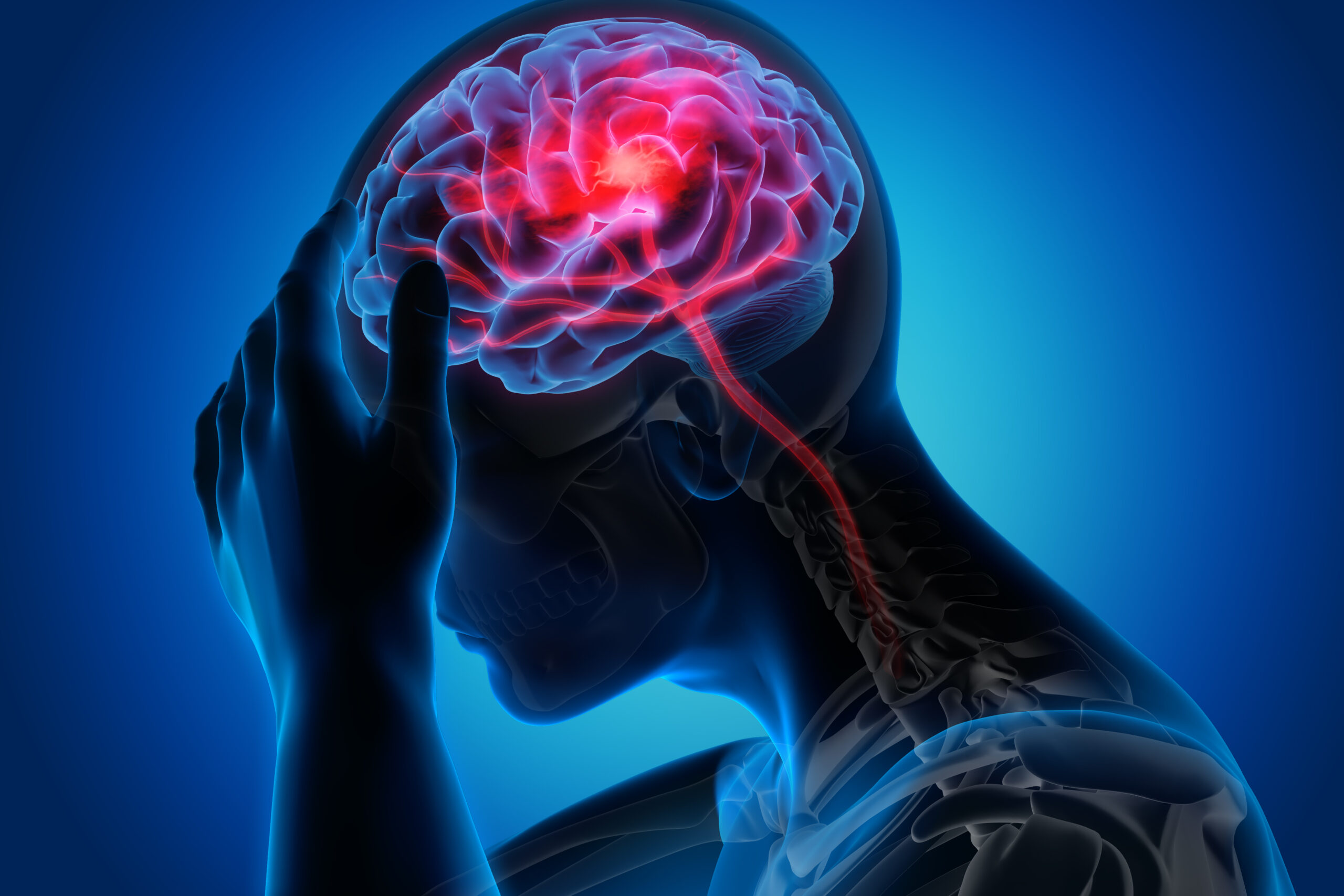
Epidemiology of Post-Traumatic Epilepsy after Mild Traumatic Brain Injury Read Post »

Scroll to Top