
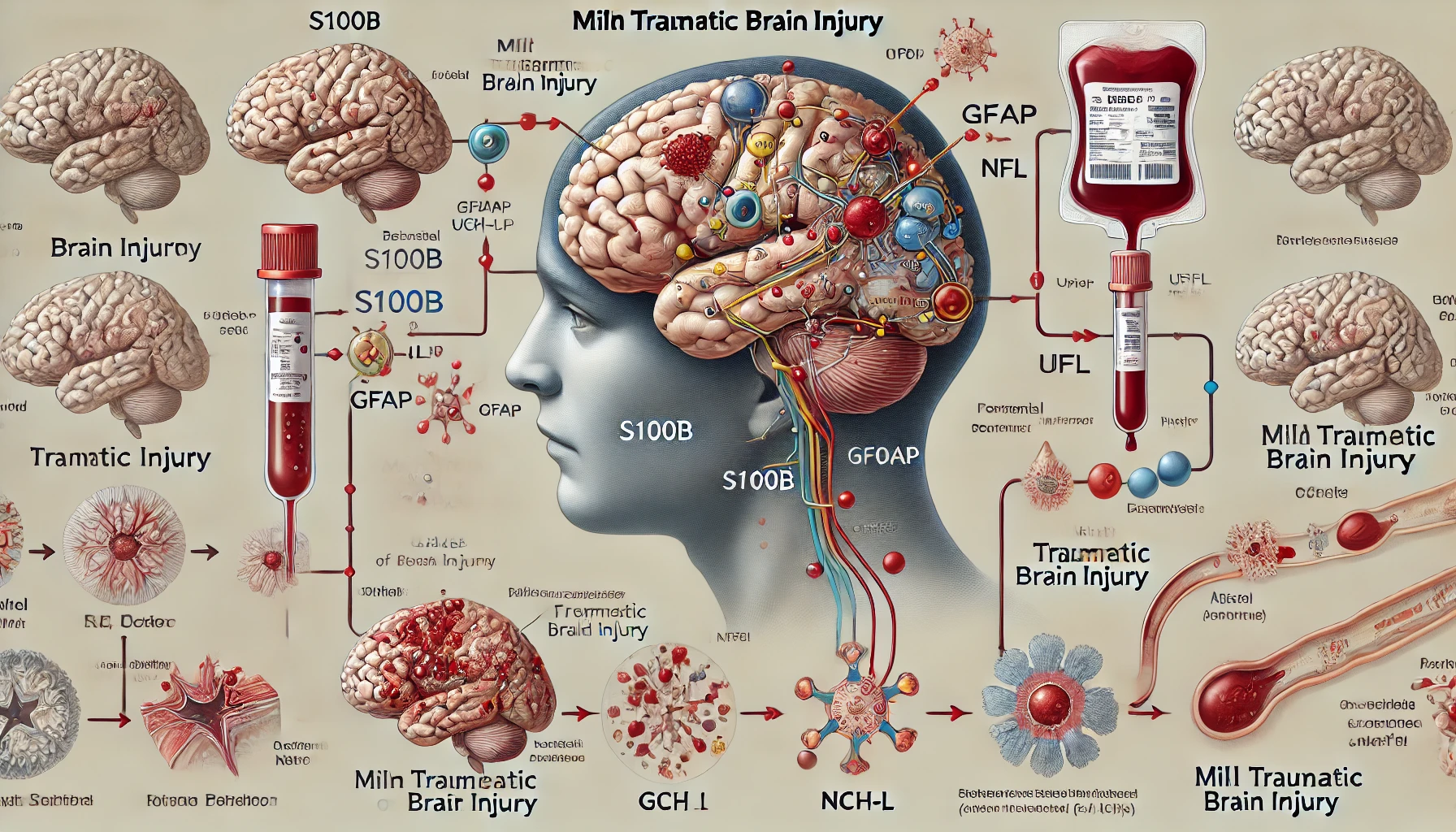
Dementia After Traumatic Brain Injury (TBI): Analysis of Mechanisms, Risks, and Future Research
Traumatic brain injury (TBI) is recognized as a major global health concern, with an annual incidence of around 69 million […]
Traumatic brain injury (TBI) is recognized as a major global health concern, with an annual incidence of around 69 million […]
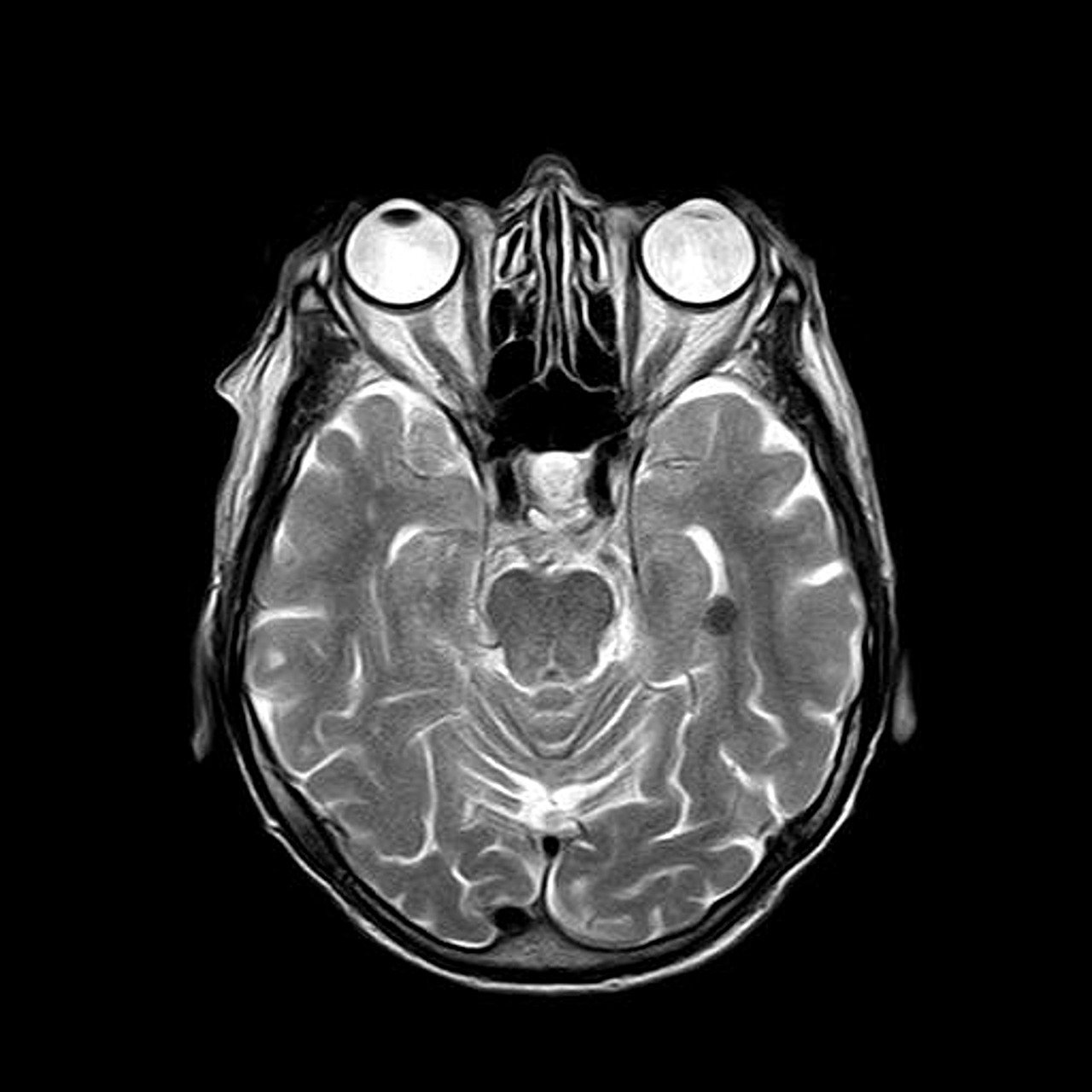
Chronic Traumatic Encephalopathy (CTE) has gained significant attention in recent years due to its association with repetitive head injuries, particularly
Review of TES/CTE: Diagnosis, Criteria, and Challenges Read Post »
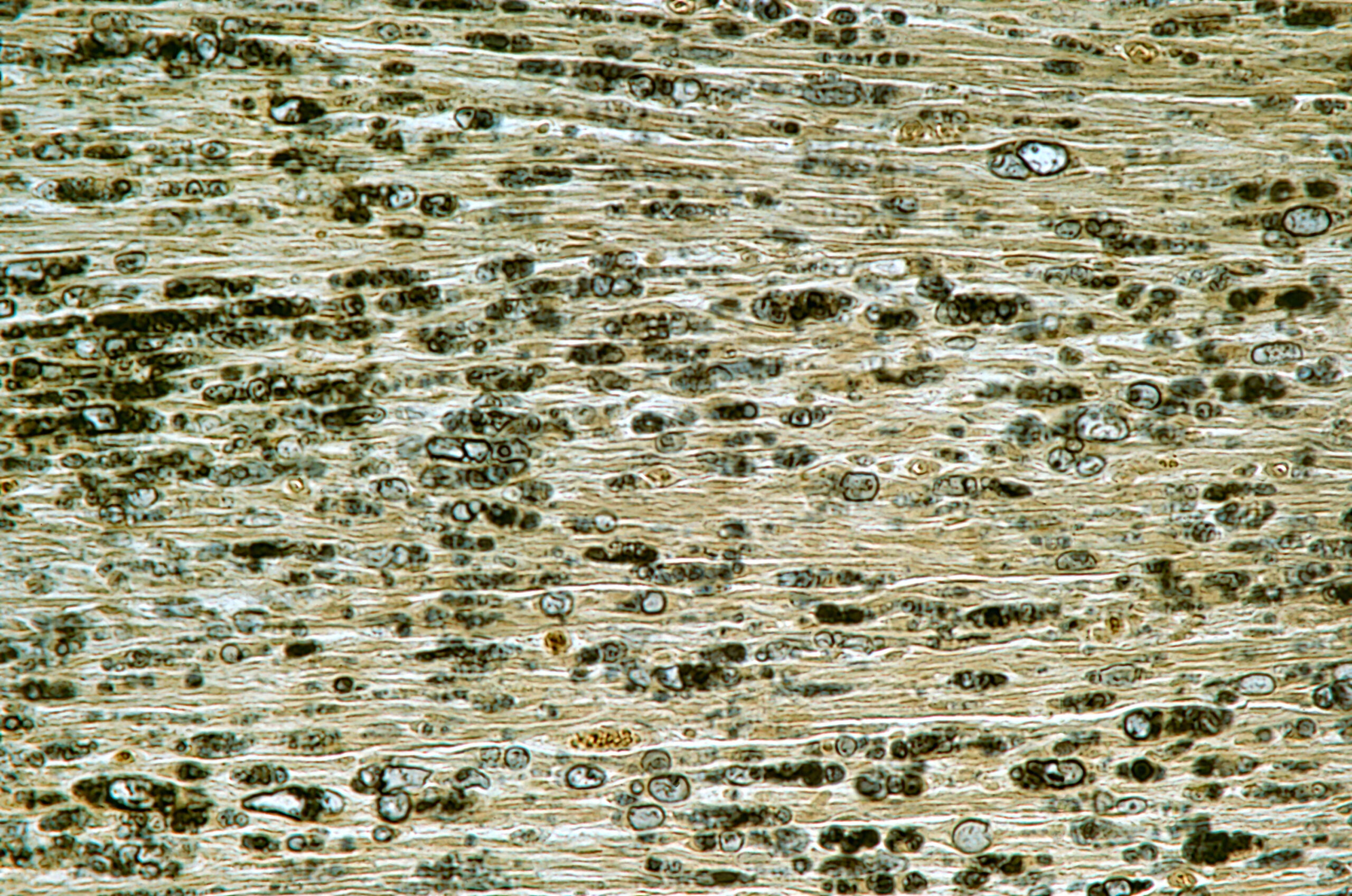
Recent research has shown significant connections between chronic traumatic encephalopathy (CTE) pathology and a variety of cognitive, functional, and neuropsychiatric

Mild Traumatic Brain Injury (mTBI), commonly referred to as a concussion, has been a growing focus in neurology due to
The Role of the IMPACT Test in Concussion Screening and Treatment Planning Read Post »
Brain fog is a non-medical term often used to describe a collection of cognitive impairments, including reduced mental clarity, poor
Brain Fog: Understanding the Phenomenon and its Impact on Cognitive Function Read Post »
Post-traumatic headaches (PTH) are the most common symptom reported following mild traumatic brain injury (mTBI). The prevalence of PTH can
Prevalence of Post-Traumatic Headaches (PTH) Read Post »
Post-traumatic headache (PTH) is a common and often debilitating condition that can develop after traumatic brain injury (TBI). Despite significant
Risk Factors for Post-Traumatic Headache (PTH) Read Post »

The long-term effects of traumatic brain injuries (TBI) and concussions among military personnel have increasingly become a point of interest
Long-Term Cognitive Impacts of Military Concussions: Risks of Memory Loss and Dementia Read Post »
🎥 What is Persistent Post-Concussion Syndrome (PPCS) and How Does it Relate to Functional Neurological Disorders (FND)? 🎥 I’m excited
Understanding post concussion syndrome Read Post »
The DSM-5 (Diagnostic and Statistical Manual of Mental Disorders, Fifth Edition) includes criteria for Mild Neurocognitive Disorder (NCD) due to