Traumatic brain injury

9C856E03 1923 4A1F A0FA EEE109C274C2

Understanding “Internal Fake News”: The Link Between Concussion, Sensory Alterations, and Emotional Health

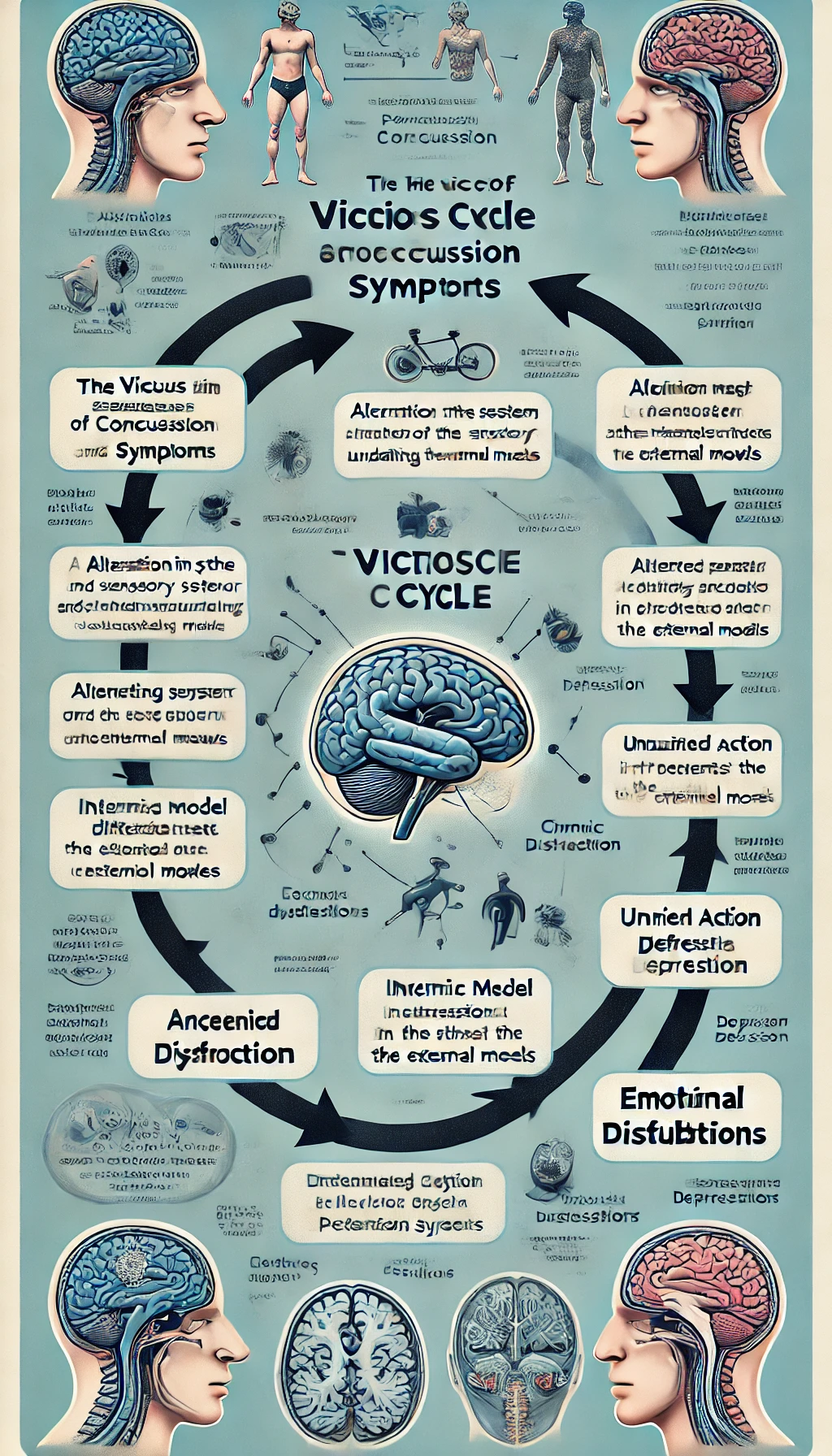
Concussions and post-concussion symptoms significantly impact the brain’s ability to process and integrate sensory information, leading to a phenomenon termed “internal fake news.” This occurs when altered sensory perceptions distort internal models, affecting decision-making and leading to a cascade of negative consequences including chronic stress, anxiety, and depression. The cerebellum’s role in integrating multisensory information is crucial for updating these internal models accurately. Disruptions in this process, commonly seen in concussion patients, result in a vicious cycle of emotional disturbances. Early intervention and a multidisciplinary approach are essential for mitigating these effects and supporting recovery.

Understanding “Internal Fake News”: The Link Between Concussion, Sensory Alterations, and Emotional Health Read Post »

Shutterstock 89653558 Scaled

Differentiating Between Concussion, Psychological Symptoms, and Malingering Using the ImPACT Test

The Immediate Post-Concussion Assessment and Cognitive Testing (ImPACT) is a vital tool in the assessment of concussions, providing objective data on cognitive function and symptomatology. This article explores how ImPACT can differentiate between symptoms originating from concussions, psychological conditions, and malingering. Through cognitive assessments, symptom tracking, baseline comparisons, and validity indicators, ImPACT aids clinicians in distinguishing between these conditions. However, it emphasizes that ImPACT should be part of a comprehensive clinical evaluation for accurate diagnosis and effective management.

Differentiating Between Concussion, Psychological Symptoms, and Malingering Using the ImPACT Test Read Post »

X6pfyknb

Blood biomarkers in mTBI

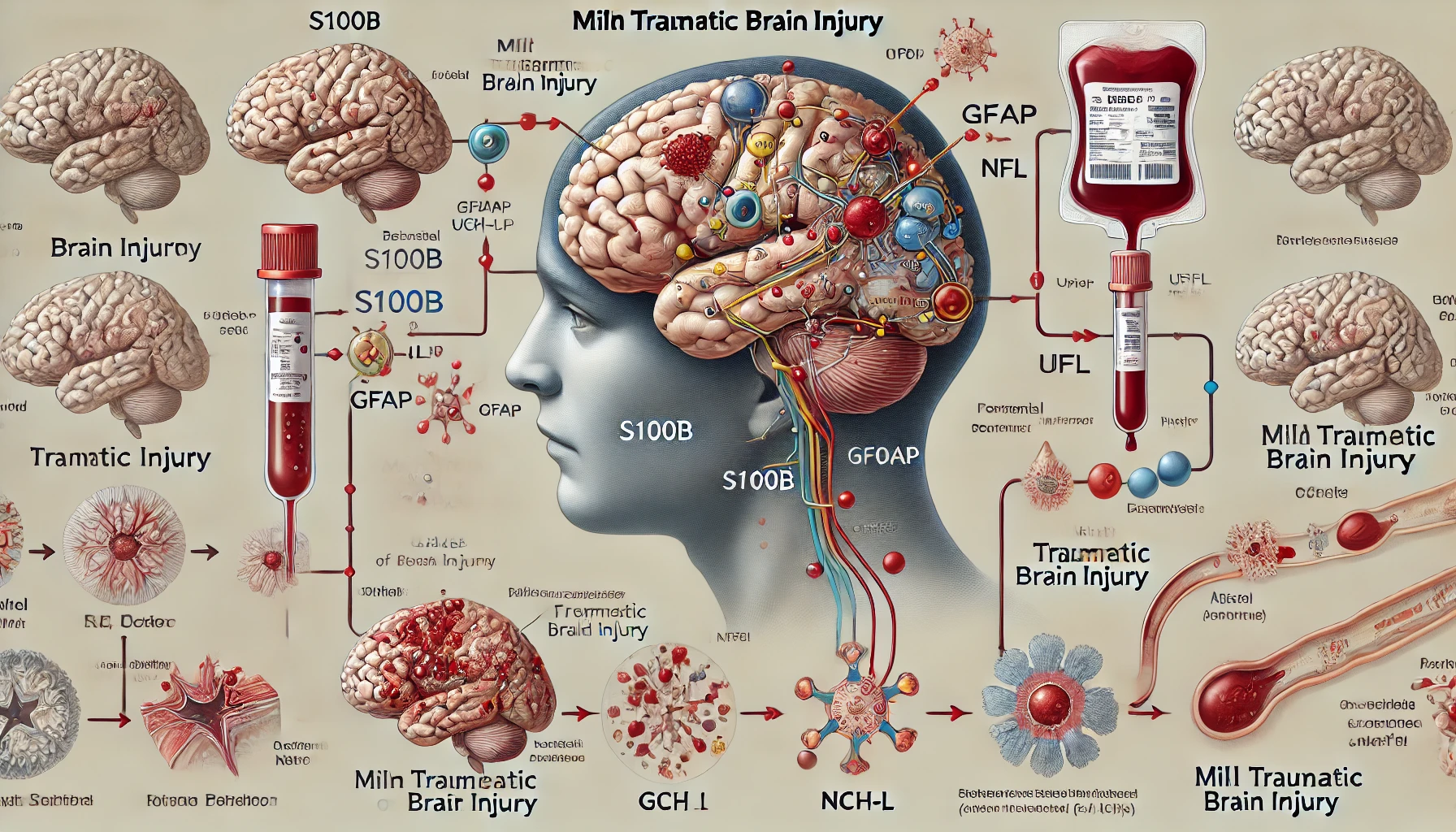
Several studies have demonstrated that elevated levels of S100B, GFAP, UCH-L1, and NFL correlate with the presence and severity of mTBI. S100B, a marker of astrocytic damage, has been shown to have high sensitivity but moderate specificity for mTBI. GFAP, another astrocytic marker, exhibits higher specificity and is particularly useful in differentiating mTBI from other conditions. UCH-L1, a marker of neuronal cell body injury, and NFL, indicative of axonal damage, both show promise in reflecting the extent of neuronal injury and predicting recovery outcomes. Additionally, combinations of these biomarkers may enhance diagnostic accuracy and provide more comprehensive insights into the injury mechanisms and prognosis.
The use of blood biomarkers in mTBI offers several advantages, including non-invasiveness, rapid turnaround time, and the potential for point-of-care testing. However, challenges such as variability in biomarker levels due to individual differences, the influence of extracranial injuries, and the need for standardized protocols must be addressed. Further research is required to validate these biomarkers in larger, diverse populations and to establish clear clinical guidelines for their use.

Blood biomarkers in mTBI Read Post »

Shutterstock 1063712879 Scaled

Foreign Accent Syndrome

Foreign Accent Syndrome (FAS) is an uncommon speech disorder where individuals develop a new, seemingly foreign accent in their native language. This review explores FAS within the contexts of functional neurological disorders (FND) and mild traumatic brain injuries (mTBIs).

In FNDs, FAS is often classified as a functional speech disorder, where no definitive structural brain lesions or neurological causes are identified. Cases suggest a psychogenic or functional origin, possibly triggered by psychological stress. Studies highlight that FAS in FNDs features inconsistencies and intermittency in speech patterns, which can occur even in the presence of structural brain damage.

In mTBIs, FAS can emerge without significant structural lesions visible on imaging. Reports indicate that even minor head injuries might lead to FAS, with functional or metabolic brain changes undetected by standard imaging techniques. For instance, abnormal functions in specific brain regions, such as the left dorsolateral inferior frontal gyrus and caudate nucleus, have been implicated.

Overall, the occurrence of FAS in both FNDs and post-mTBI contexts underscores the complexity of this speech disorder and the need for integrated diagnostic and therapeutic approaches. The studies reviewed suggest that functional and metabolic assessments, alongside behavioural interventions, are crucial for understanding and managing FAS effectively.


Foreign Accent Syndrome Read Post »

Scroll to Top