
Retinal manifestations of traumatic brain injury
Retinal Changes Associated with Traumatic Brain Injury Traumatic brain injury (TBI) can lead to various changes in the retina, which […]
Retinal manifestations of traumatic brain injury Read Post »
Retinal Changes Associated with Traumatic Brain Injury Traumatic brain injury (TBI) can lead to various changes in the retina, which […]
Retinal manifestations of traumatic brain injury Read Post »
Understanding Alzheimer’s Disease in Down Syndrome Alzheimer’s disease (AD) is a multifaceted neurodegenerative condition characterized by a progressive decline in
Resistance and resilience to Alzheimer’s disease in Down syndrome Read Post »
Background and Rationale The interaction between the cardiovascular system and the brain is complex and vital for understanding the impacts
Impact of Concussions on Cardiovascular Health Recent research has highlighted a concerning link between concussions and cardiovascular health, particularly in
Understanding Hypopituitarism Hypopituitarism is a condition characterized by the insufficient production of one or more hormones by the pituitary gland,
Clinical manifestations and treatment of hypopituitarism due to traumatic brain injury Read Post »
Seizure Risk Factors Seizures are common neurological events that can occur after brain injuries, including mild traumatic brain injury (MTBI),
Prediction of seizure risk after repetitive mild traumatic brain injury in childhood Read Post »
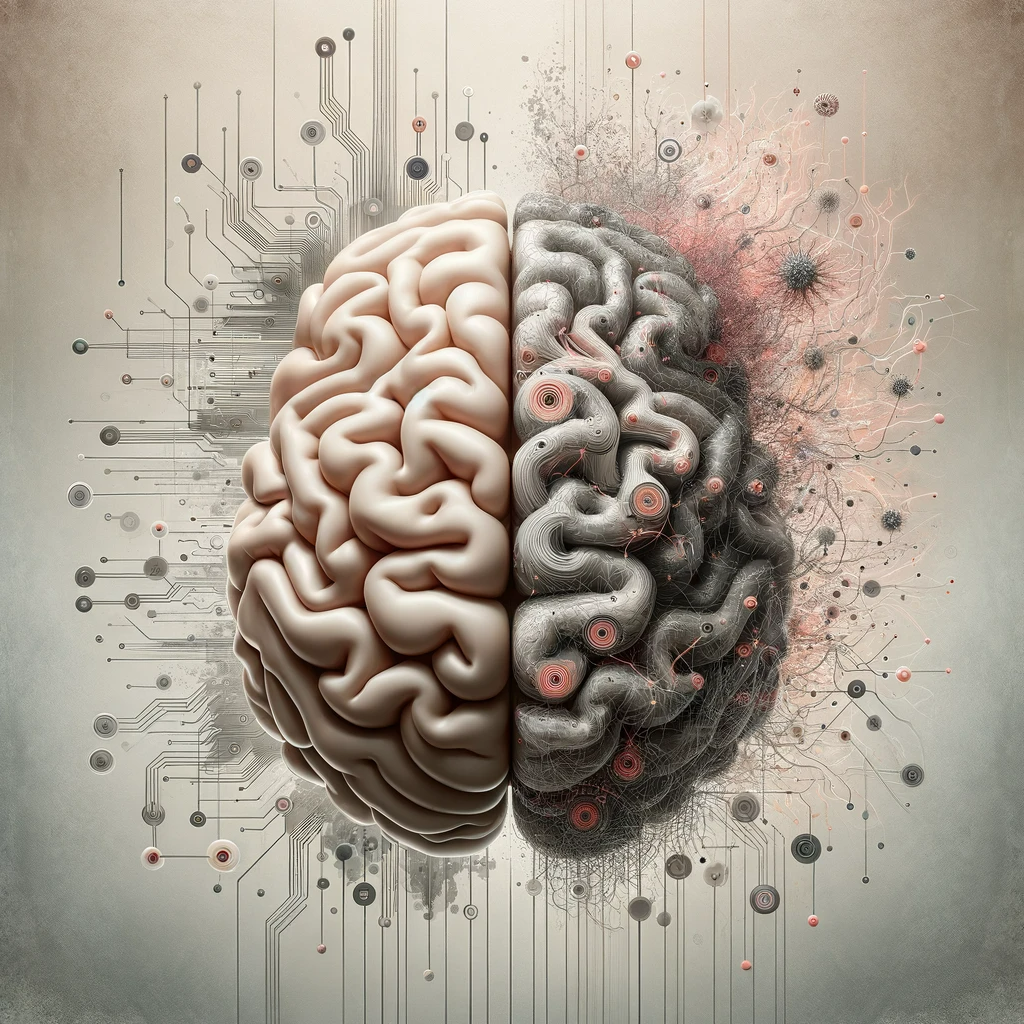
Abstract Concussions and post-concussion syndrome (PCS) present diagnostic challenges due to their often subtle and subjective symptoms. Magnetoencephalography (MEG), a

Functional neurological disorders (FNDs) present a diagnostic challenge due to the absence of definitive biomarkers. This synthesis of current research explores the potential biomarkers for FNDs, aiming to enhance diagnostic accuracy and treatment efficacy. Cortisol levels have been investigated as state, trait, and prognostic biomarkers, reflecting the stress response and potential chronic alterations in hypothalamic-pituitary-adrenal axis functioning in FND patients[1]. Whole-body cryostimulation (WBC) has been proposed as an adjuvant treatment, with a case report demonstrating improvements in body composition, hematological biomarkers, and physical performance, suggesting physiological responses to WBC as potential biomarkers for treatment efficacy[2]. Vitamin B12 deficiency, often resulting from nitrous oxide misuse, has been identified as a consistent feature in hospital admissions for neurological disorders, indicating the importance of metabolic biomarkers in patient management[3]. Functional near-infrared spectroscopy (fNIRS) has been utilized to derive objective hemodynamic biomarkers, with machine learning algorithms demonstrating high accuracy in classifying neuropsychiatric disorders, underscoring the potential of fNIRS in the objective diagnosis of FNDs[4]. Additionally, glutamatergic dysfunction, neuroplasticity, and redox status in peripheral blood have been explored as potential biomarkers for motor conversion disorders, a subtype of FNDs[5]. This body of research signifies a shift towards identifying unfeignable biomarkers that could unravel the complex etiology of FNDs and guide more targeted interventions[6][7].
Unlocking the Molecular Secrets of Traumatic Brain Injury: A Path Toward Innovative Diagnostics and Therapies
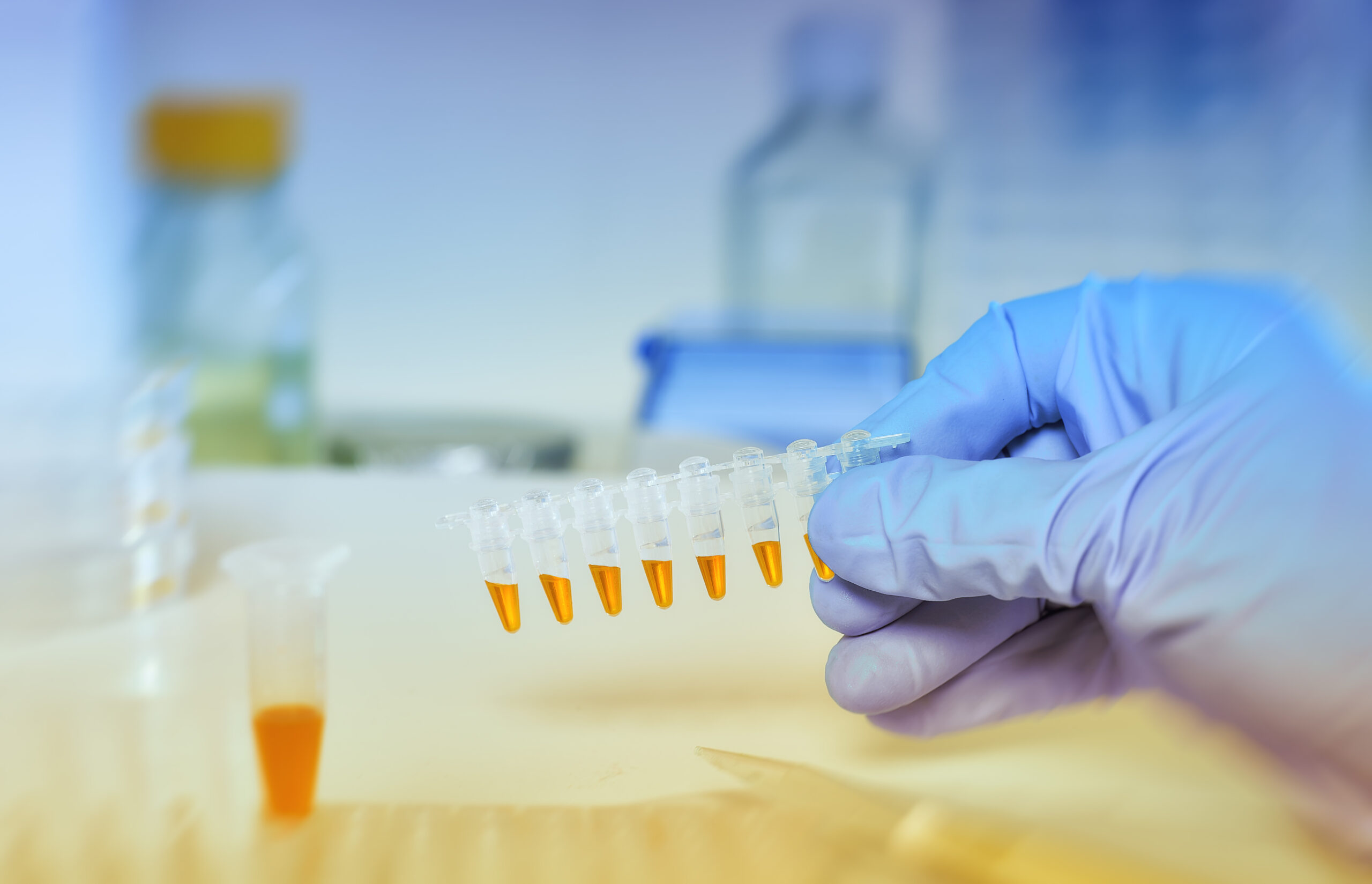
Traumatic brain injuries (TBIs), particularly mild TBIs, present a complex diagnostic challenge due to their subtle manifestations and the broad spectrum of potential long-term consequences, including post-concussion syndrome (PCS) and chronic traumatic encephalopathy (CTE). The search for reliable diagnostic markers has led to the exploration of salivary biomarkers as a non-invasive, cost-effective means of detecting TBIs and assessing their severity. This review examines the role of salivary biomarkers—S100B, Neurofilament Light Chain (NfL), microRNAs (miRNAs), and Extracellular Vesicles (EVs)—in the diagnosis of TBIs and PCS. Elevated levels of S100B are associated with brain damage, suggesting its potential as an indicator of TBI. NfL, a marker of axonal injury, offers insights into the severity of neural damage. Altered miRNA profiles in saliva can reflect changes in gene expression related to neural injury, providing a molecular signature of TBI and PCS. Furthermore, EVs carry a cargo reflective of cellular and molecular changes post-injury, serving as a promising diagnostic tool. This review highlights the emerging significance of these salivary biomarkers in the early detection and management of TBIs, underscoring the need for further research to validate their clinical utility and integrate them into standard diagnostic protocols.
Salivary biomarkers in Post-concussion syndrome Read Post »