
Top Posts
Post-traumatic headache: Treatment Overview
The starry night
Distinguishing Mild Neurocognitive Disorder Due to TBI in...
The Moors Murders: A Chilling Crime and the...
Acute Mild Traumatic Brain Injury (Concussion) in Adults:...
Understanding Functional Neurological Disorder (FND): A Comprehensive Guide...
The Neurobiology of a Killer: Understanding Christopher Halliwell’s...
Traumatic Brain Injury and Cognitive Decline: Exploring the...
Exploring the Role of Salivary Biomarkers in Mild...
Traumatic Brain Injury and the Risk of Dementia:...
  • Home
  • Traumatic brain injury
  • Functional neurological disorders
  • Dementia
  • Headaches
myneuronews.com
"Insights into mTBI, PCS, and FND — One Synapse at a Time" A bit more creative, nodding to neuroscience roots while covering your full range.
Tag:

British crime history

  • Brain & Crime

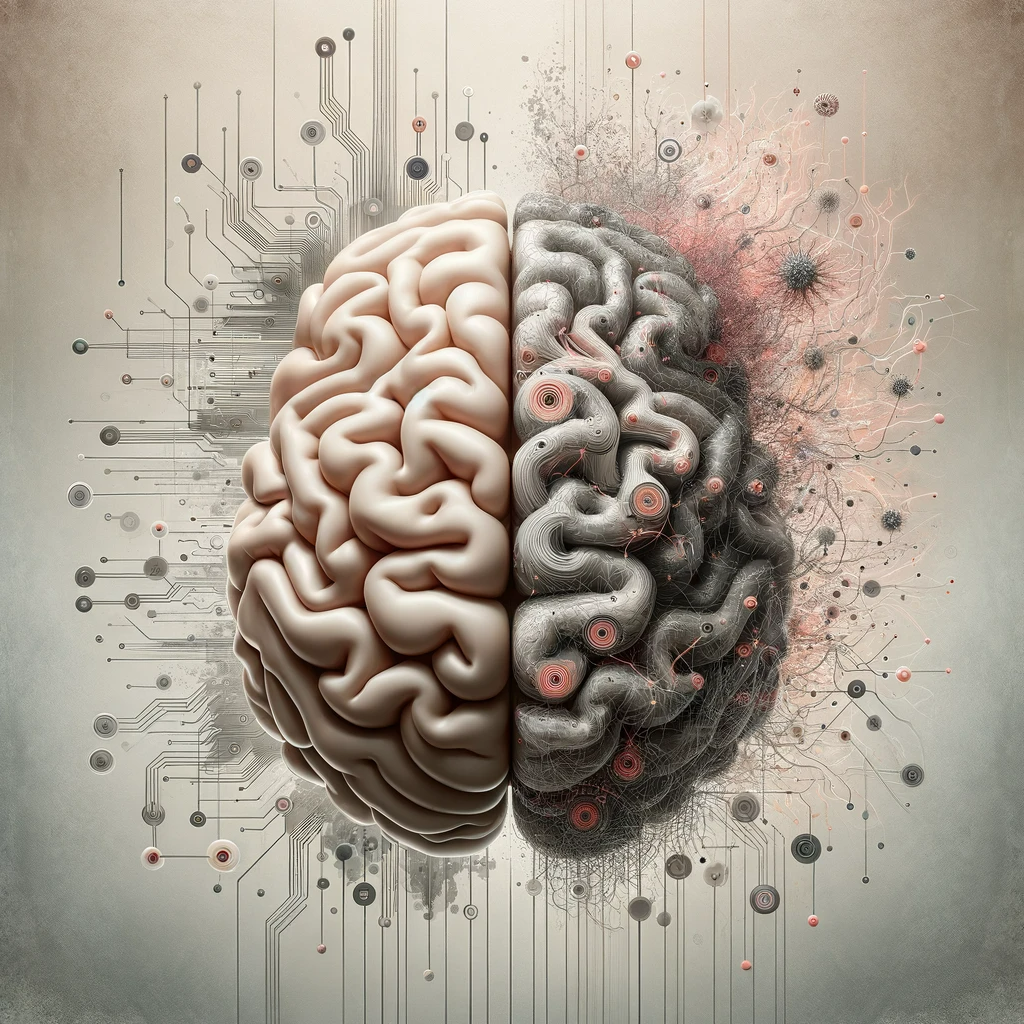
    The Moors Murders: A Chilling Crime and the Neurobiological Profile of Its Perpetrators

    by Ioannis Mavroudis September 14, 2024
    by Ioannis Mavroudis September 14, 2024

    The Moors Murders: A Dark Chapter in British History The Moors Murders remain one of …

    Read more
    1 FacebookTwitterPinterestEmail
  • Short and long term seizure outcomes in functional/dissociative seizures: a single center cohort study with 1-10 years of follow up from Turkiye
    Study Overview In this research, we examined the long-term outcomes of patients diagnosed with functional…
  • Hypobaric unilateral spinal anesthesia with multimodal analgesia enhances recovery in total knee arthroplasty
    Study Overview The investigation into the efficacy of hypobaric unilateral spinal anesthesia, complemented by multimodal…
  • Elevated cerebral oxygen extraction fraction in Parkinson’s disease correlates with motor impairment severity
    Study Overview The investigation centers on the relationship between cerebral oxygen extraction and motor impairment…
  • A Novel NLRP3 Inhibitor AMS-17 Rescues Deficits in Long-Term Potentiation Following Mild Traumatic Brain Injury in Adult C57Bl/6 Mice
    Study Overview The research focuses on investigating the effects of a novel NLRP3 inhibitor, AMS-17,…
  • Bilateral carotid web successfully treated with endarterectomy, a case report
    Study Overview The objective of this research was to present a case involving a patient…

Archives

  • January 2026
  • December 2025
  • November 2025
  • October 2025
  • September 2025
  • August 2025
  • July 2025
  • June 2025
  • May 2025
  • April 2025
  • March 2025
  • February 2025
  • November 2024
  • October 2024
  • September 2024
  • July 2024
  • June 2024
  • May 2024
  • April 2024
  • March 2024
  • February 2024

Categories

  • Biomarkers
  • Brain & Art
  • Brain & Crime
  • Chronic Traumatic Encephalopathy
  • Cognitive impairment
  • Cranial nerves
  • Dementia
  • Diagnostic Criteria
  • Functional neurological disorders
  • Headaches
  • Medical professionals
  • Neuroanatomy
  • Neurology Pioneers
  • Neuroscience
  • NeuroVideos
  • Patient education
  • Post traumatic epilepsy
  • Post traumatic headache
  • Research
  • Traumatic brain injury
  • Uncategorized

Research

  • miR-26b-5p responds to aerobic exercise intervention for concussion recovery in adolescent athletes: a pilot trial
    CONCLUSION: miRNAs 1246, 944, and 151a-3p may be concussion biomarkers unaffected by aerobic exercise. miR-26b-5p, associated with concussion and exercise volume, may be a useful biomarker to monitor adherence to exercise prescriptions for SRC recovery.
  • Creatine Supplementation and the Brain: Have We Put the Cart Before the Horse?
    Creatine is an important regulator of brain bioenergetics, yet the efficacy of creatine supplementation (CrS) in the brain remains largely unknown. Measurement of brain creatine using proton (¹H) and phosphorus (³¹P) magnetic resonance spectroscopy is highly sensitive to voxel placement, signal quality, analysis pipelines, and reporting conventions which can obscure the detection of biological responses […]
  • Concussion recovery time, return-to-play protocols, and mandated sit-out periods among adult amateur contact field sports: A systematic review
    CONCLUSION: Recovery time following concussion in contact sports should be interpreted in light of sport type, mandated sit-out policies, and RTP protocols. Empirical evidence should drive decisions in RTP protocols and sit-out periods, which are currently inconsistent between sports.
  • Prevalence of post-traumatic hypopituitarism in active-duty service members receiving comprehensive care for traumatic brain injury (TBI) and psychological health: A military mild TBI cohort study
    Objective: The prevalence of neuroendocrine dysfunction (NED) following mild traumatic brain injury (mTBI) remains obscure, with widely varying prevalence estimates. This study aimed to determine prevalence of NED among central hypogonadism, central hypothyroidism, and growth hormone deficiency (GHD) in active-duty military service members (SMs) receiving comprehensive TBI and psychological health care and characterize TBI burden, […]
  • A multicenter, international, randomized, single-blind, placebo-controlled study of the efficacy and safety of inosine-nicotinamide-riboflavin-succinic acid in the acute period of traumatic brain injury in adults
    CONCLUSION: Treatment with INRSA was associated with improvement in mild TBI outcome, which represents a new potential option for the pharmacological treatment of non-fatal head injury. Further studies might be of research interest and clinical demand.

Newsletter

Subscribe my Newsletter for new blog posts, tips & new photos. Let's stay updated!

  • Facebook
  • Twitter
  • Linkedin
  • Youtube
  • Email
myneuronews.com
  • Home
  • Traumatic brain injury
  • Functional neurological disorders
  • Dementia
  • Headaches
myneuronews.com
  • Home
  • Traumatic brain injury
  • Functional neurological disorders
  • Dementia
  • Headaches
@2021 - All Right Reserved. Designed and Developed by PenciDesign