clinical symptoms

An 18-Year Study of Changes in Neurocognitive Function and Associations with Repetitive Head Trauma among Former Collegiate American Football Players: A Case Series

Background and Rationale The interplay between repetitive head trauma and long-term neurocognitive health has become increasingly pivotal in discussions surrounding

An 18-Year Study of Changes in Neurocognitive Function and Associations with Repetitive Head Trauma among Former Collegiate American Football Players: A Case Series Read Post »

Efficacy, safety, and tolerability of chenodeoxycholic acid (CDCA) in adult patients with cerebrotendinous xanthomatosis (RESTORE): a randomized withdrawal, double-blind, placebo-controlled, crossover phase 3 study

Efficacy of Chenodeoxycholic Acid Chenodeoxycholic acid (CDCA) has emerged as a critical therapeutic option for patients suffering from cerebrotendinous xanthomatosis

Efficacy, safety, and tolerability of chenodeoxycholic acid (CDCA) in adult patients with cerebrotendinous xanthomatosis (RESTORE): a randomized withdrawal, double-blind, placebo-controlled, crossover phase 3 study Read Post »

Shutterstock 2260107799 Scaled

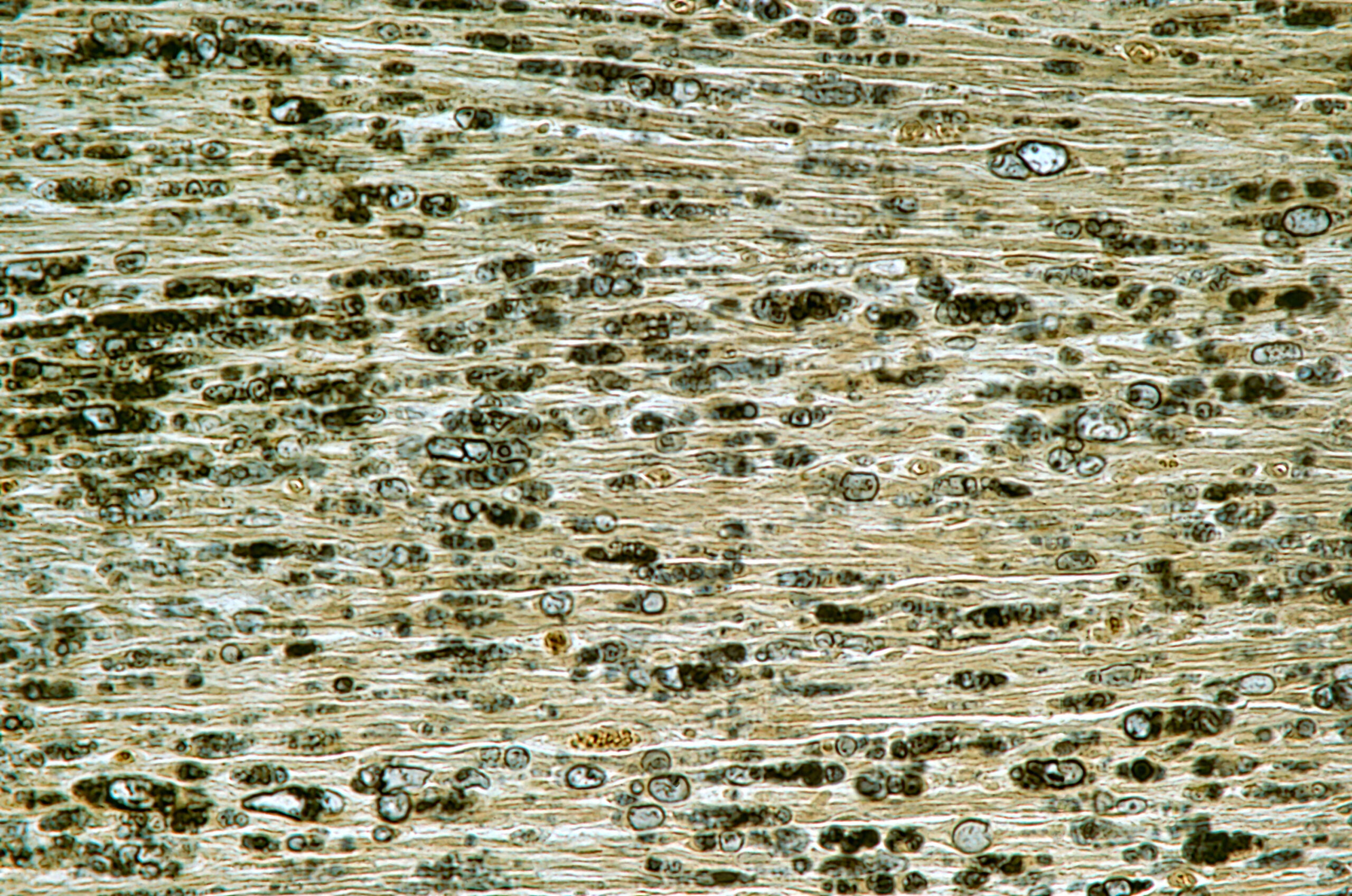
Brain Pathology in the Context of Concussion History

Exploring the intricate relationship between concussion history and brain pathology reveals a complex interplay of symptoms and conditions extending beyond the traditional focus on chronic traumatic encephalopathy (CTE). This overview delves into the multifaceted clinical manifestations and neuropathological outcomes associated with repeated head trauma, highlighting the role of DNA damage and the necessity for a broader diagnostic and therapeutic approach. As research unveils the varied mechanisms underlying concussion-related brain changes, it emphasizes the importance of personalized medicine in addressing the long-term effects of concussions, fostering a deeper understanding that could revolutionize patient care

Brain Pathology in the Context of Concussion History Read Post »

Scroll to Top