cognitive rehabilitation

Echoes of the Battlefield: Five-Year Longitudinal Cognitive Trajectories show Trend of Recovery for Deployment-related mild TBI in the LIMBIC-CENC Cohort

Longitudinal Cognitive Trajectories The concept of longitudinal cognitive trajectories is critical in understanding how cognitive functions, such as memory, attention,

Echoes of the Battlefield: Five-Year Longitudinal Cognitive Trajectories show Trend of Recovery for Deployment-related mild TBI in the LIMBIC-CENC Cohort Read Post »

Shutterstock 1423084877 Scaled

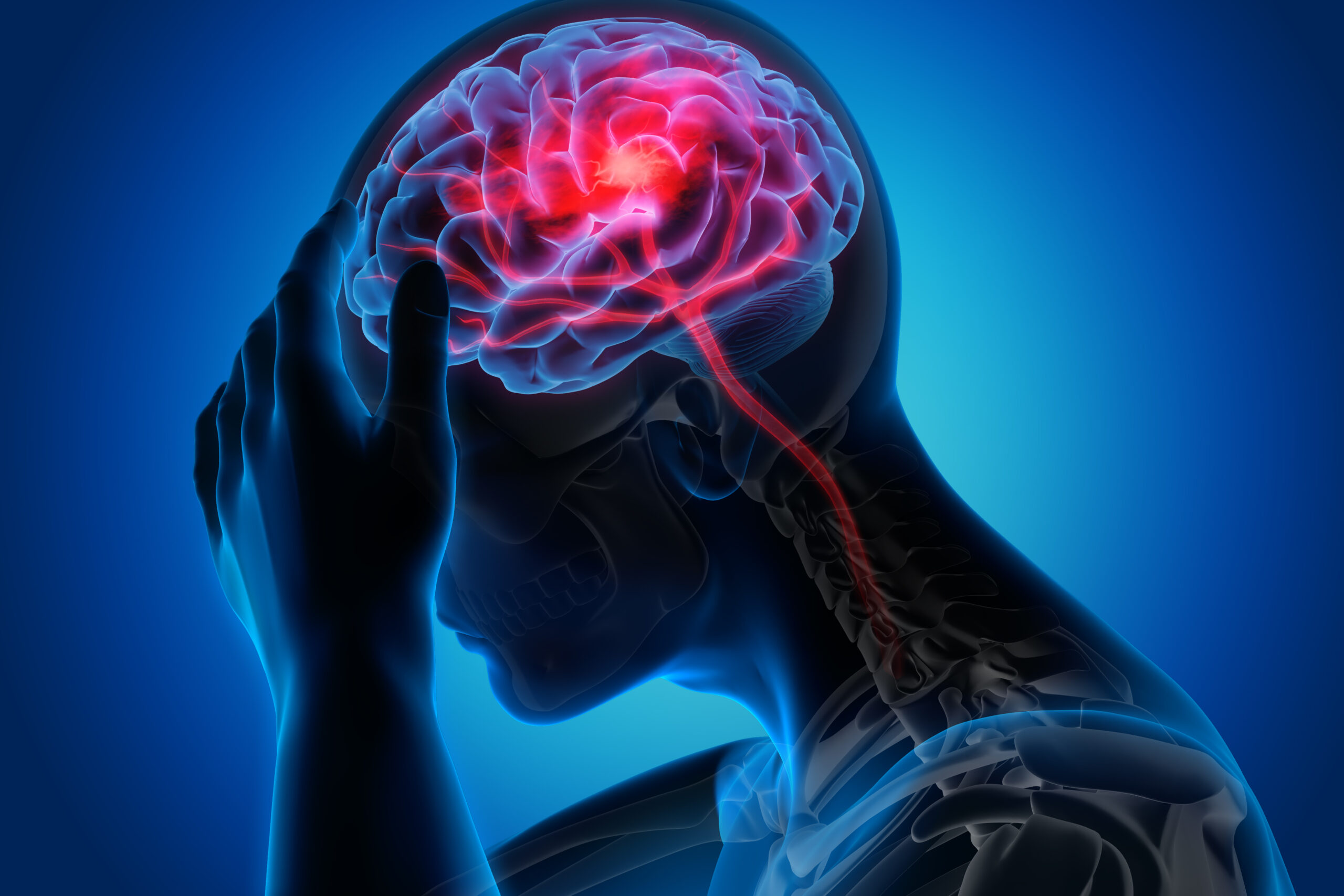
Functional Cognitive Impairment Following Mild Traumatic Brain Injury (mTBI)

Functional cognitive impairment (FCI) post-mild traumatic brain injury (mTBI) presents a significant challenge, often manifesting subtle symptoms that persist well beyond the healing of physical injuries. The primary causative factor is the brain trauma itself, which disrupts normal cognitive functioning and is exacerbated by metacognitive impairments, psychological factors such as depression and anxiety, and physical symptoms like fatigue and headache. Despite normal results on traditional neuropsychological tests, affected individuals may struggle with daily cognitive tasks, impacting their quality of life. While treatment options like transcranial Direct Current Stimulation (tDCS) and cognitive rehabilitation programs show promise, the prognosis for FCI varies widely, dependent on several factors including the severity of the initial injury and individual health conditions. Emerging research using techniques like [18F]fluorodeoxyglucose positron emission tomography ([18F]FDG-PET) offers new insights into prognosis, enhancing understanding and management of FCI.

Functional Cognitive Impairment Following Mild Traumatic Brain Injury (mTBI) Read Post »

Mucsic And Brain

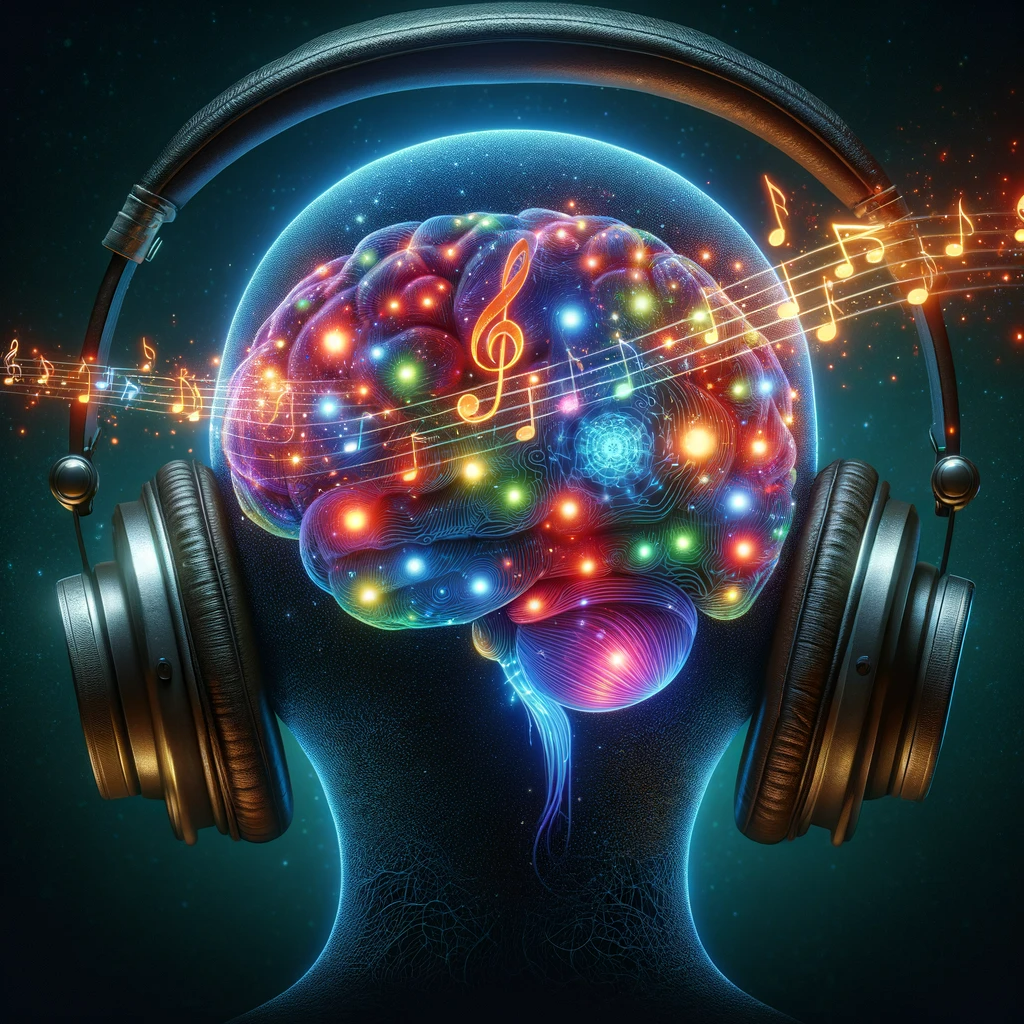
Harmonizing Recovery: The Role of Music in mTBI and PCS Rehabilitation

This article explores the therapeutic potential of music in the rehabilitation of individuals recovering from mild Traumatic Brain Injury (mTBI) and Post-Concussion Syndrome (PCS). It delves into how music therapy, through cognitive, emotional, and physical dimensions, can aid in the holistic recovery process. Cognitive improvements are highlighted by music’s ability to enhance memory, attention, and executive functions. The emotional support provided by music therapy offers relief from depression, anxiety, and stress, while its rhythmic elements assist in physical rehabilitation, improving coordination and movement. Furthermore, music therapy fosters social connections, enhancing the sense of community among individuals undergoing recovery. This comprehensive approach underscores the multifaceted benefits of music therapy in addressing the challenges faced by those recovering from mTBI and PCS.

Harmonizing Recovery: The Role of Music in mTBI and PCS Rehabilitation Read Post »

Scroll to Top