cognitive rehabilitation

Quality of Life after Brain Injury in children aged six and seven years (QOLIBRI-KIDDY) – development and scale analysis of the first disease-specific self-report instrument for young children after traumatic brain injury

Understanding Quality of Life after Brain Injury Quality of life (QoL) is a multifaceted concept that encompasses an individual’s overall […]

Quality of Life after Brain Injury in children aged six and seven years (QOLIBRI-KIDDY) – development and scale analysis of the first disease-specific self-report instrument for young children after traumatic brain injury Read Post »

Echoes of the Battlefield: Five-Year Longitudinal Cognitive Trajectories show Trend of Recovery for Deployment-related mild TBI in the LIMBIC-CENC Cohort

Longitudinal Cognitive Trajectories The concept of longitudinal cognitive trajectories is critical in understanding how cognitive functions, such as memory, attention,

Echoes of the Battlefield: Five-Year Longitudinal Cognitive Trajectories show Trend of Recovery for Deployment-related mild TBI in the LIMBIC-CENC Cohort Read Post »

Shutterstock 1423084877 Scaled

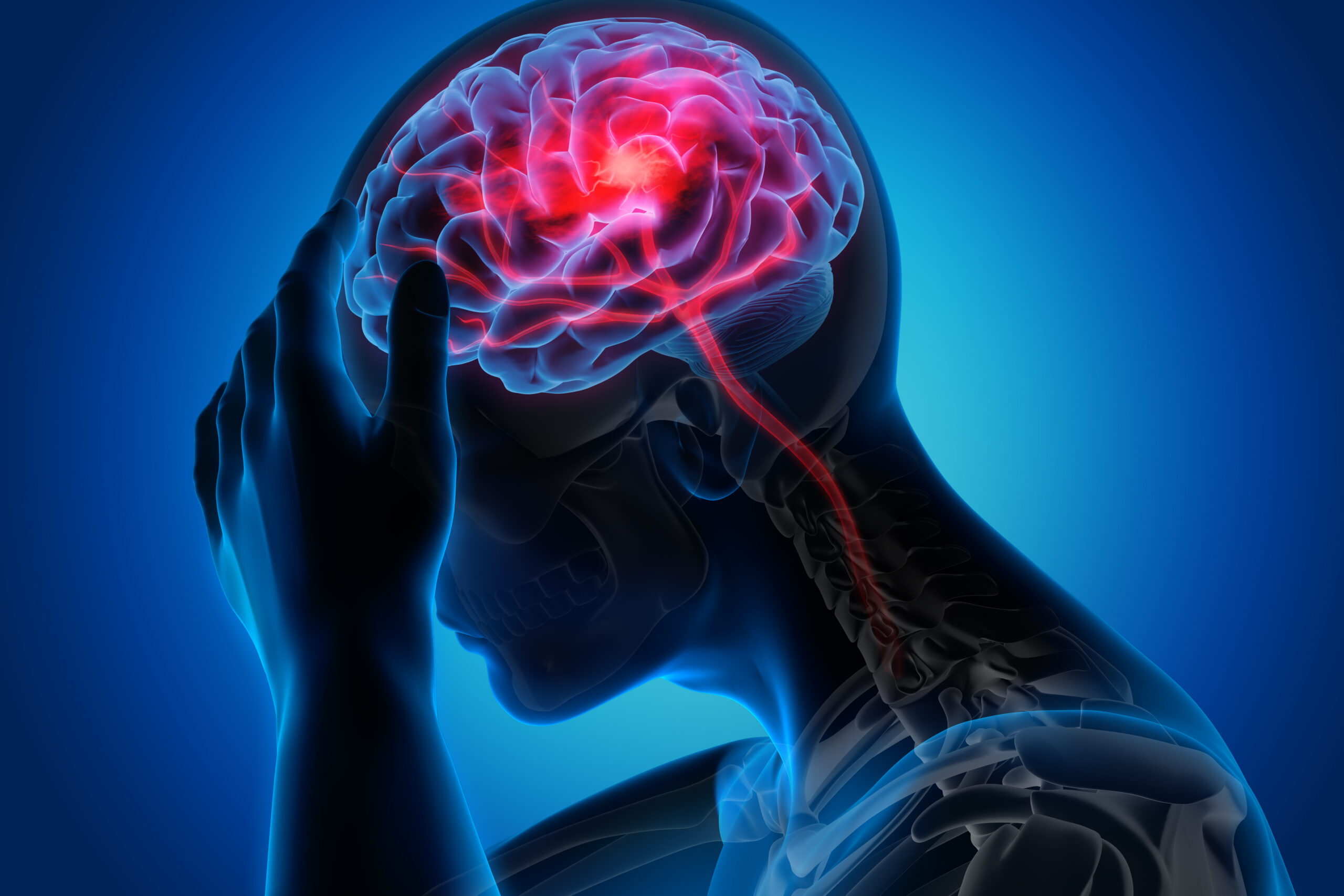
Functional Cognitive Impairment Following Mild Traumatic Brain Injury (mTBI)

Functional cognitive impairment (FCI) post-mild traumatic brain injury (mTBI) presents a significant challenge, often manifesting subtle symptoms that persist well beyond the healing of physical injuries. The primary causative factor is the brain trauma itself, which disrupts normal cognitive functioning and is exacerbated by metacognitive impairments, psychological factors such as depression and anxiety, and physical symptoms like fatigue and headache. Despite normal results on traditional neuropsychological tests, affected individuals may struggle with daily cognitive tasks, impacting their quality of life. While treatment options like transcranial Direct Current Stimulation (tDCS) and cognitive rehabilitation programs show promise, the prognosis for FCI varies widely, dependent on several factors including the severity of the initial injury and individual health conditions. Emerging research using techniques like [18F]fluorodeoxyglucose positron emission tomography ([18F]FDG-PET) offers new insights into prognosis, enhancing understanding and management of FCI.

Functional Cognitive Impairment Following Mild Traumatic Brain Injury (mTBI) Read Post »

Scroll to Top