
Retinal manifestations of traumatic brain injury
Retinal Changes Associated with Traumatic Brain Injury Traumatic brain injury (TBI) can lead to various changes in the retina, which […]
Retinal manifestations of traumatic brain injury Read Post »
Retinal Changes Associated with Traumatic Brain Injury Traumatic brain injury (TBI) can lead to various changes in the retina, which […]
Retinal manifestations of traumatic brain injury Read Post »

Post concussion syndrome often manifests through subtle but persistent symptoms that are easy to overlook or misattribute—ranging from mental fatigue and mood changes to dizziness and visual strain. These signs may surface long after the initial injury and are frequently missed without careful clinical assessment and a thorough patient history. Understanding the hidden complexities of PCS is crucial for timely diagnosis and effective care.
Recognising subtle signs of post concussion syndrome Read Post »
Clinical Presentation In this case report, a patient initially presented with symptoms that are often characteristic of central nervous system

Post concussion syndrome (PCS) is a complex condition where symptoms persist long after a mild traumatic brain injury. With physical, cognitive, emotional, and sleep-related symptoms varying widely by individual, accurate early diagnosis is critical. Factors like previous concussions, mental health history, and neurochemical changes influence recovery. Multidisciplinary, personalised treatment strategies, including rehabilitation, psychological support, and graded exercise, are key to promoting functional restoration and improving long-term outcomes.
Post concussion syndrome diagnosis and management strategies Read Post »
Understanding Post-Concussion Syndrome Post-Concussion Syndrome (PCS) represents a complex and often debilitating condition that can arise following a concussion, which
Understanding Hypopituitarism Hypopituitarism is a condition characterized by the insufficient production of one or more hormones by the pituitary gland,
Clinical manifestations and treatment of hypopituitarism due to traumatic brain injury Read Post »
Application of Point-of-Care EEG Point-of-care electroencephalography (POC EEG) has emerged as a transformative tool in acute neurological care, offering rapid
Point-of-Care Electroencephalography in Acute Neurological Care: A Narrative Review Read Post »
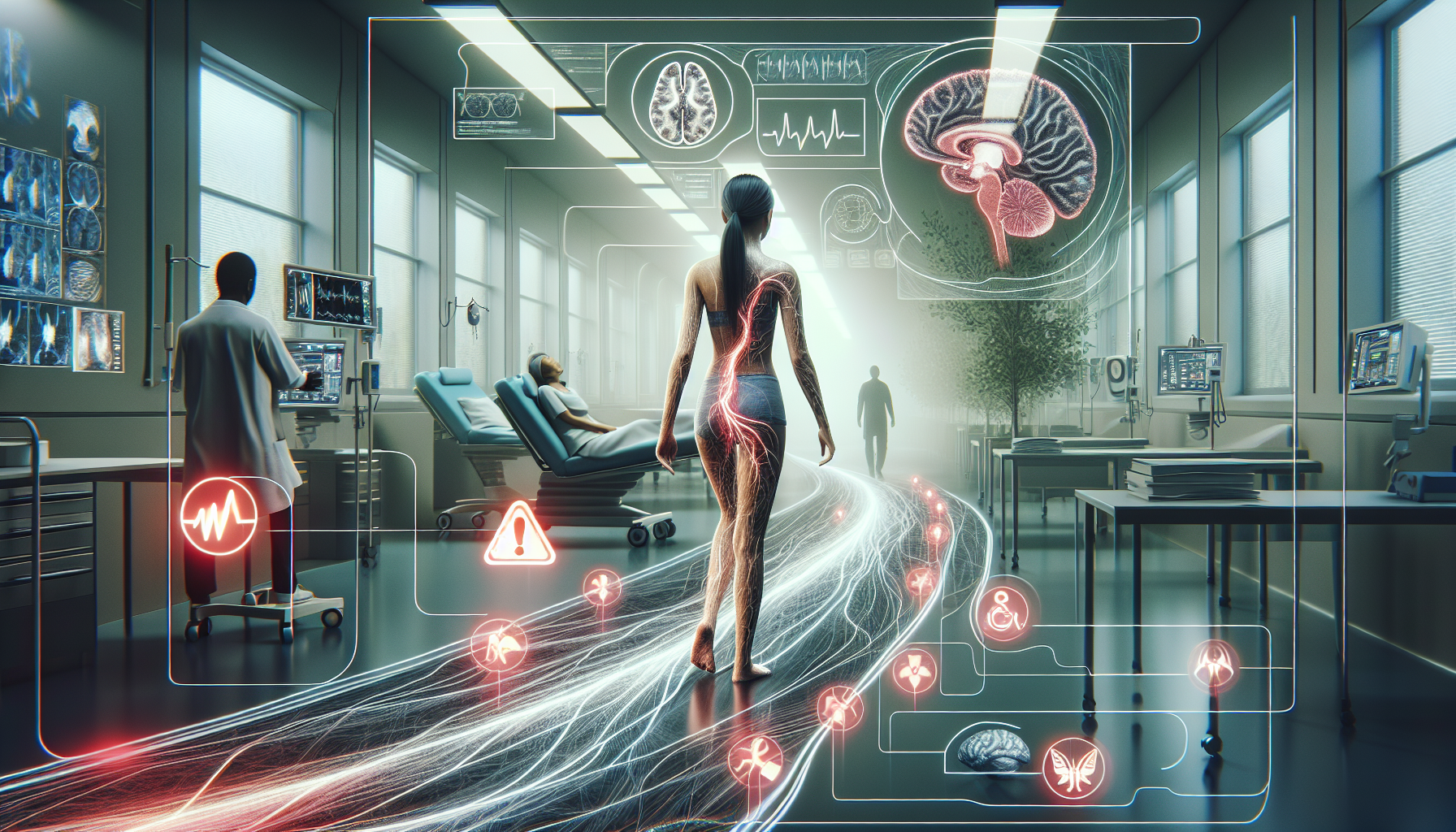
Functional neurological disorder (FND) is a complex condition characterised by neurological symptoms that are not explained by a traditional structural
Understanding FND and its common symptoms Read Post »
Mild traumatic brain injury (mTBI), often referred to as a concussion, can occur when the head experiences a sudden blow, jolt or impact that disrupts normal brain function. This type of injury does not typically result in visible structural damage on standard imaging tests, making it crucial to pay attention…
Understanding Mild Traumatic Brain Injury: Causes, Symptoms, and Treatment Read Post »

Mild Traumatic Brain Injury (mTBI), commonly referred to as a concussion, has been a growing focus in neurology due to
The Role of the IMPACT Test in Concussion Screening and Treatment Planning Read Post »