
Recognition and Detection of Concussion in the Community: Implications for Primary Care in the UK
Concussion Recognition in Community Settings In community settings, the recognition of concussion can be particularly challenging due to the subtle […]
Concussion Recognition in Community Settings In community settings, the recognition of concussion can be particularly challenging due to the subtle […]
Study Overview This study investigates the potential of baseline MRI radiomic features to forecast the responsiveness of Alzheimer’s disease patients
Impact of Collegiate Football on Health Collegiate football has long been a cornerstone of American sports culture, but it also
Study Overview This study examined the clinical characteristics of post-traumatic headaches (PTH) in comparison to migraines, providing insights into their
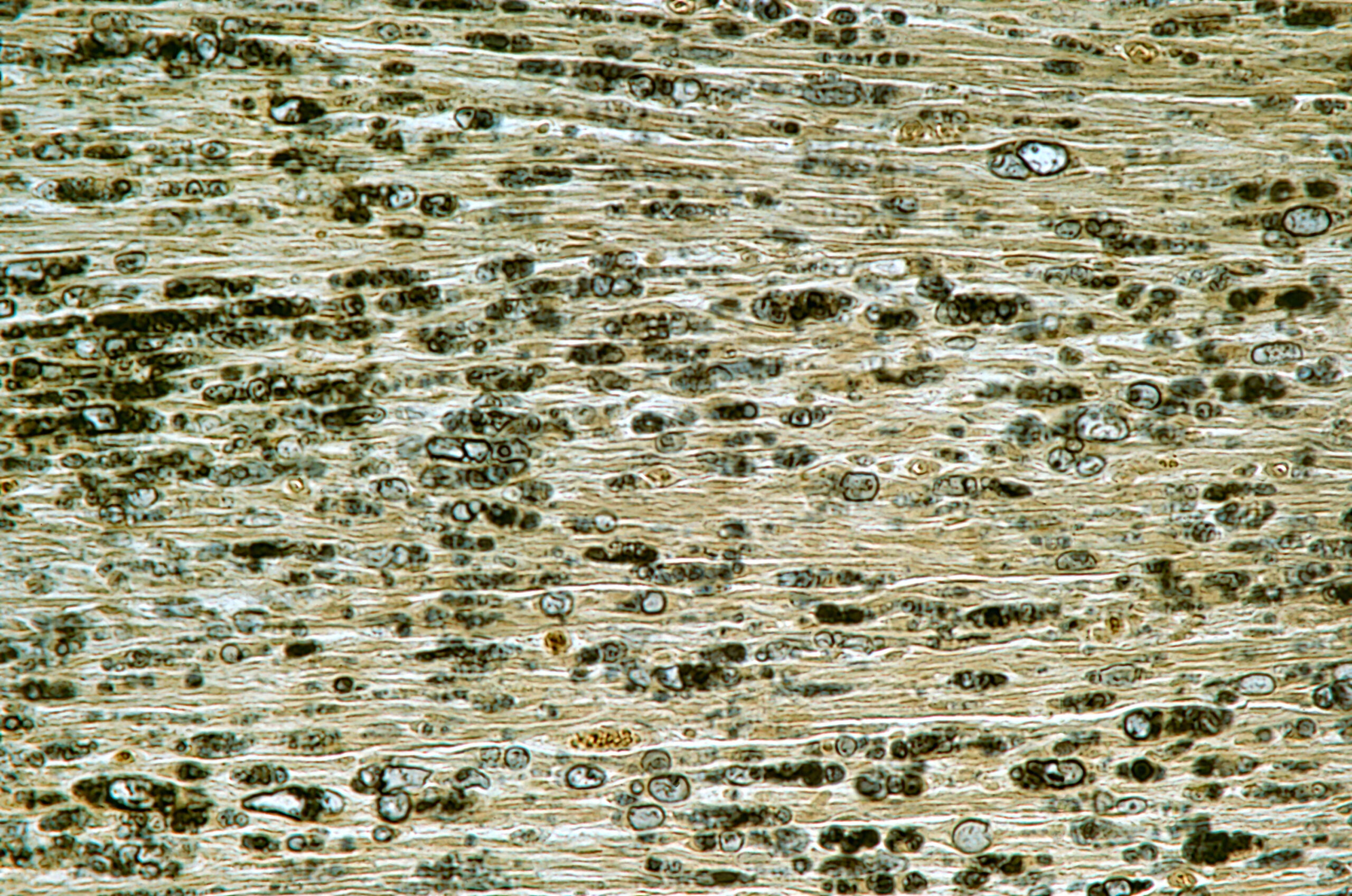
This article presents a comprehensive overview of the classification systems for traumatic brain injuries (TBI) and related syndromes, including Concussion, Traumatic Brain Injury (TBI) severity, Post-Concussion Syndrome (PCS), and Traumatic Encephalopathy Syndrome (TES)/Chronic Traumatic Encephalopathy (CTE). The classifications range from grading systems like the Nelson Grading System for concussions, which categorizes injuries based on symptoms such as headaches, dizziness, and loss of consciousness (LOC), to the Glasgow Coma Scale (GCS) for assessing TBI severity through cognitive responsiveness. Furthermore, the article delves into the diagnostic criteria for PCS and TES/CTE, emphasizing the importance of recognizing symptom duration and neuropathological findings. These classification systems play a crucial role in guiding the diagnosis, treatment, and prognosis of TBIs, highlighting the nuanced approach required to manage these complex conditions effectively.