
Recognition and Detection of Concussion in the Community: Implications for Primary Care in the UK
Concussion Recognition in Community Settings In community settings, the recognition of concussion can be particularly challenging due to the subtle […]
Concussion Recognition in Community Settings In community settings, the recognition of concussion can be particularly challenging due to the subtle […]
Telehealth Coaching Overview Telehealth coaching has emerged as a pivotal tool in promoting health and wellness among older adults, especially
Background and Rationale In recent years, the growing concern surrounding sports-related concussions has prompted educators, medical professionals, and researchers to
Diverse Caregiver Profiles Caregivers for individuals with Multiple Sclerosis (MS) come from a wide array of backgrounds and experiences, leading
Seizure Risk Factors Seizures are common neurological events that can occur after brain injuries, including mild traumatic brain injury (MTBI),
Prediction of seizure risk after repetitive mild traumatic brain injury in childhood Read Post »
Understanding Concussions in High School Sports Concussions have become a significant concern in high school sports, representing a type of
Sport-Related Concussions in High School Athletes: A Comprehensive Update Read Post »
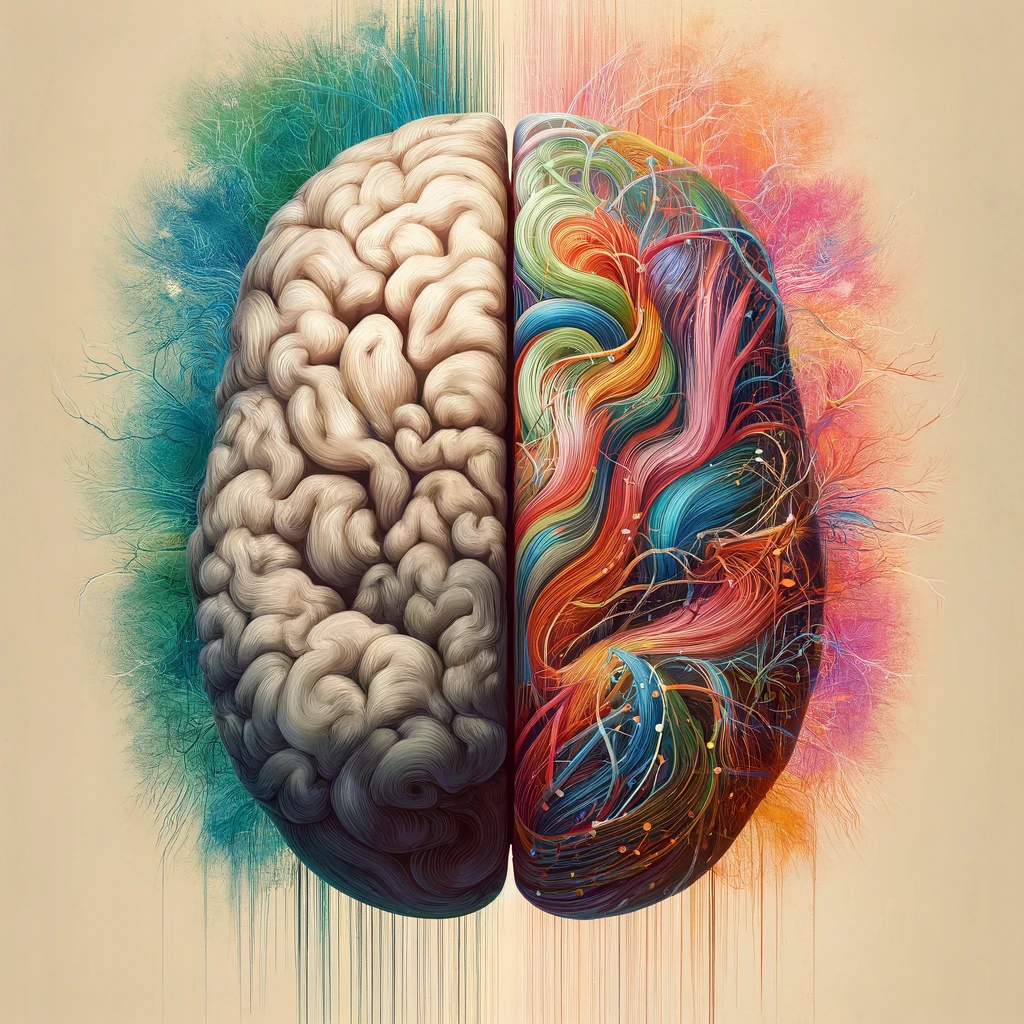
Functional Neurological Disorder (FND) is a brain-based condition where individuals experience genuine neurological symptoms—such as seizures or limb weakness—without structural abnormalities on medical tests. Emerging evidence highlights how emotional stress interferes with brain function, disrupting the brain-body communication that underpins movement, sensation, and self-awareness. FND lies at the crossroads of neurology and psychiatry, often linked to psychological triggers such as trauma or chronic stress. Though symptoms are involuntary and vary in intensity, targeted therapies combining physiotherapy, psychological support, and education have shown promise. Understanding the brain’s response to stress is key to effective intervention.
The link between FND and stress Read Post »
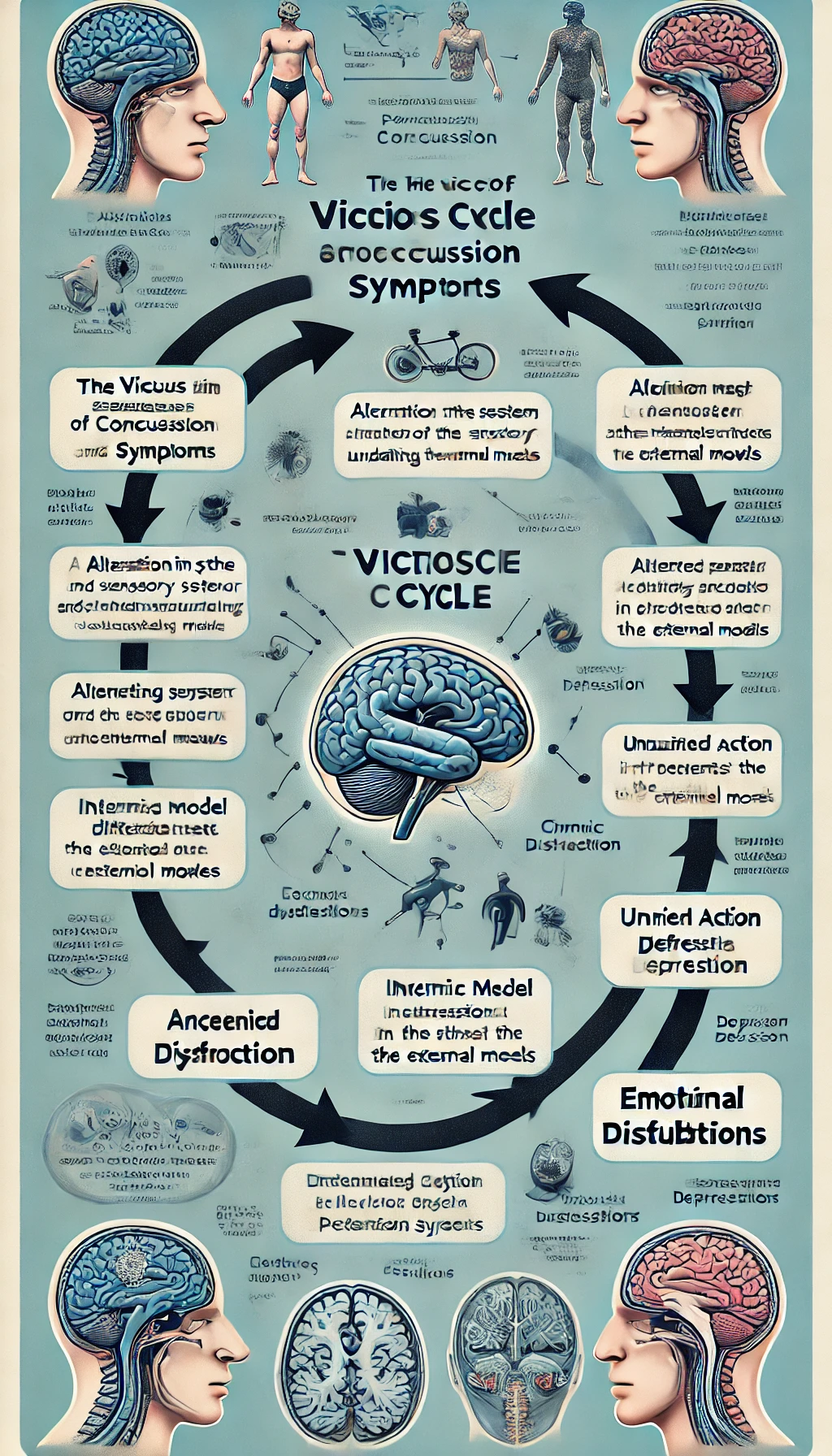
Concussions and post-concussion symptoms significantly impact the brain’s ability to process and integrate sensory information, leading to a phenomenon termed “internal fake news.” This occurs when altered sensory perceptions distort internal models, affecting decision-making and leading to a cascade of negative consequences including chronic stress, anxiety, and depression. The cerebellum’s role in integrating multisensory information is crucial for updating these internal models accurately. Disruptions in this process, commonly seen in concussion patients, result in a vicious cycle of emotional disturbances. Early intervention and a multidisciplinary approach are essential for mitigating these effects and supporting recovery.