mild traumatic brain injury

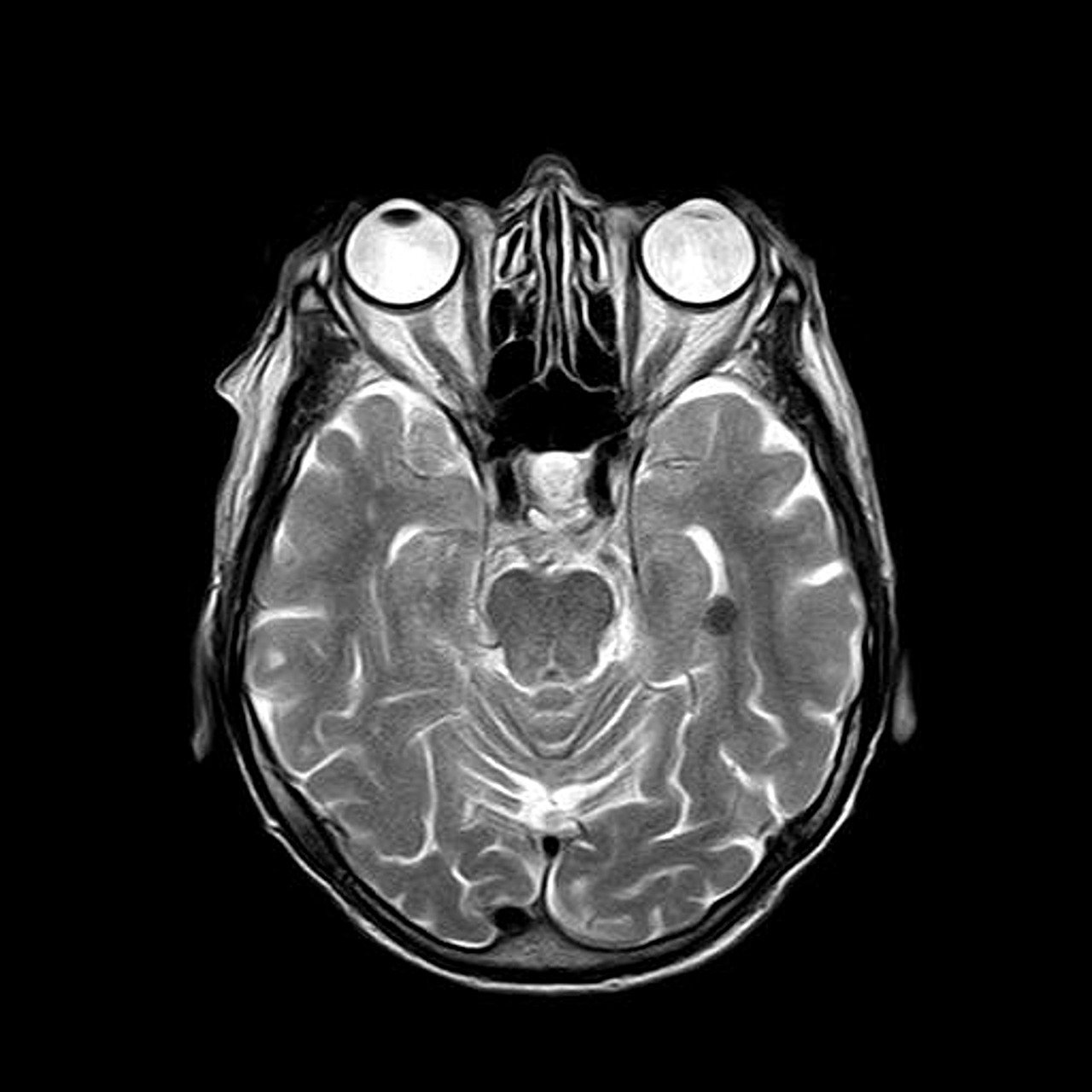
Mri 782457 1280

Risk Factors for Functional Cognitive Impairment after Mild Traumatic Brain Injury

Mild traumatic brain injury (mTBI) poses a risk of long-term functional cognitive impairment (CI), influenced by diverse pre- and post-injury factors. This review synthesizes current research on the risk factors associated with CI following mTBI, drawing from recent findings in neuropsychological assessments, neuroimaging studies, and genetic analyses. Pre-injury comorbidities such as psychiatric conditions and hypertension, alongside demographic factors like age and gender, have been identified as significant contributors to post-mTBI cognitive challenges. Additionally, injury-specific symptoms including fatigue and headaches are crucial predictors of CI. Neuroimaging techniques, including functional MRI and diffusion tensor imaging, reveal changes in brain structure and connectivity that correlate with cognitive deficits. The presence of the Apolipoprotein epsilon 4 allele also heightens the risk of CI and interacts with other conditions such as Alzheimer’s disease. Methodologically, the research utilizes cross-sectional and longitudinal studies to map the progression of CI and employs statistical analyses to elucidate significant predictors. This comprehensive approach underscores the complexity of diagnosing and managing CI post-mTBI, highlighting the need for targeted intervention strategies based on individual risk profiles.

Risk Factors for Functional Cognitive Impairment after Mild Traumatic Brain Injury Read Post »
Shutterstock 1423084877 Scaled

Chronic Cognitive Impairment Following Traumatic Brain Injury: A Closer Look

This article provides a comprehensive analysis of the multifaceted impacts of traumatic brain injury (TBI), with a specific focus on mild traumatic brain injuries (mTBIs) or concussions. It explores the prevalence and characteristics of cognitive impairments post-TBI, delving into the diverse and significant challenges they pose to individuals. The mechanisms and pathophysiology underlying these cognitive impairments are examined, highlighting the complex biochemical, cellular, and physiological changes involved. Furthermore, the article investigates the critical role of personality traits, psychological factors, and social determinants in the recovery and long-term outcomes of TBI. The interplay between these factors underscores the necessity of a holistic approach to TBI treatment and rehabilitation, emphasizing the importance of personalized care. Through this multidisciplinary analysis, the article aims to enhance understanding of TBI impacts, advocate for comprehensive care strategies, and propose directions for future research and policy development to improve the lives of individuals affected by TBI.

Chronic Cognitive Impairment Following Traumatic Brain Injury: A Closer Look Read Post »

Shutterstock 2260107799 Scaled

Overview of Classification Systems and Diagnostic Criteria for Traumatic Brain Injury Syndromes

This article presents a comprehensive overview of the classification systems for traumatic brain injuries (TBI) and related syndromes, including Concussion, Traumatic Brain Injury (TBI) severity, Post-Concussion Syndrome (PCS), and Traumatic Encephalopathy Syndrome (TES)/Chronic Traumatic Encephalopathy (CTE). The classifications range from grading systems like the Nelson Grading System for concussions, which categorizes injuries based on symptoms such as headaches, dizziness, and loss of consciousness (LOC), to the Glasgow Coma Scale (GCS) for assessing TBI severity through cognitive responsiveness. Furthermore, the article delves into the diagnostic criteria for PCS and TES/CTE, emphasizing the importance of recognizing symptom duration and neuropathological findings. These classification systems play a crucial role in guiding the diagnosis, treatment, and prognosis of TBIs, highlighting the nuanced approach required to manage these complex conditions effectively.

Overview of Classification Systems and Diagnostic Criteria for Traumatic Brain Injury Syndromes Read Post »

Shutterstock 1423084877 Scaled

Incidence of Post-Traumatic Headaches After Mild Traumatic Brain Injury

The prevalence of post-traumatic headache (PTH) following mild traumatic brain injury (mTBI) exhibits significant variability, with estimates ranging from 30% to 90% in the general population. This variance is attributed to methodological differences across studies, including variations in study population characteristics and the duration of follow-up periods. PTH is notably the most common symptom reported after mTBI, and its occurrence is crucially dependent on data from patients seeking immediate care in emergency settings. However, the frequency of PTH among patients consulting general practitioners days after the trauma is challenging to ascertain. Complicating the diagnosis further, PTH can be misidentified as migraine or another primary headache disorder, especially among individuals with a history of headaches. The issue of underreporting is particularly relevant in specific groups such as athletes and military personnel, where the incidence of PTH may be higher than reported. The complexity of accurately diagnosing and reporting PTH prevalence underscores the need for a nuanced understanding of its epidemiology, considering the impact of methodological approaches, patient populations, and healthcare-seeking behaviors.

Incidence of Post-Traumatic Headaches After Mild Traumatic Brain Injury Read Post »
Shutterstock 2284571133

The Mayo classification system

The Mayo Classification System for Traumatic Brain Injuries (TBIs) offers a nuanced approach to diagnosing and categorizing TBIs into moderate-severe, mild, and possible TBIs. This system integrates various clinical indicators such as the Glasgow Coma Scale, post-traumatic amnesia, and neuroimaging findings to enhance diagnostic accuracy and treatment planning. This article delves into the methodology, benefits, and potential limitations of the Mayo Classification System, emphasizing its significance in improving patient outcomes through precise classification and tailored management strategies in both clinical and research settings.

The Mayo classification system Read Post »

Shutterstock 620683553 Scaled

Salivary biomarkers in Post-concussion syndrome

Traumatic brain injuries (TBIs), particularly mild TBIs, present a complex diagnostic challenge due to their subtle manifestations and the broad spectrum of potential long-term consequences, including post-concussion syndrome (PCS) and chronic traumatic encephalopathy (CTE). The search for reliable diagnostic markers has led to the exploration of salivary biomarkers as a non-invasive, cost-effective means of detecting TBIs and assessing their severity. This review examines the role of salivary biomarkers—S100B, Neurofilament Light Chain (NfL), microRNAs (miRNAs), and Extracellular Vesicles (EVs)—in the diagnosis of TBIs and PCS. Elevated levels of S100B are associated with brain damage, suggesting its potential as an indicator of TBI. NfL, a marker of axonal injury, offers insights into the severity of neural damage. Altered miRNA profiles in saliva can reflect changes in gene expression related to neural injury, providing a molecular signature of TBI and PCS. Furthermore, EVs carry a cargo reflective of cellular and molecular changes post-injury, serving as a promising diagnostic tool. This review highlights the emerging significance of these salivary biomarkers in the early detection and management of TBIs, underscoring the need for further research to validate their clinical utility and integrate them into standard diagnostic protocols.

Salivary biomarkers in Post-concussion syndrome Read Post »

Mucsic And Brain

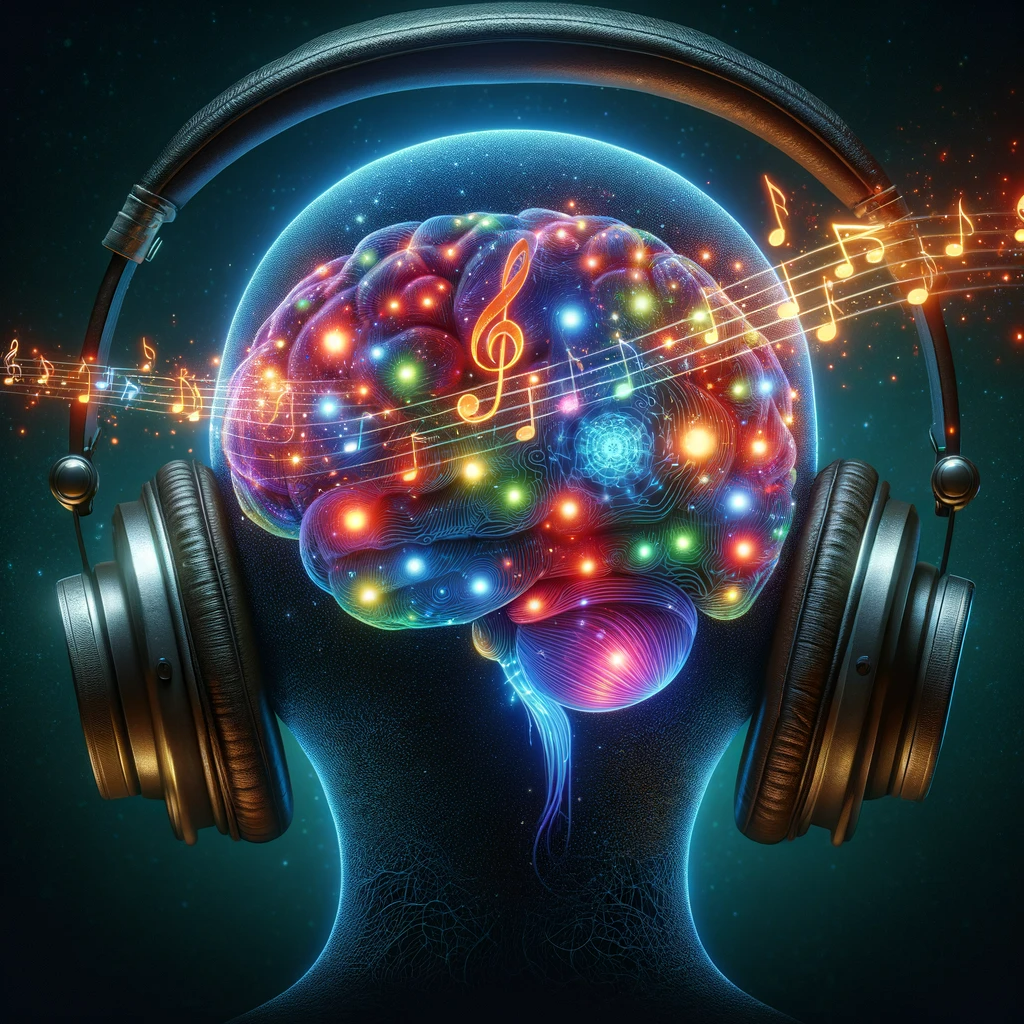
Harmonizing Recovery: The Role of Music in mTBI and PCS Rehabilitation

This article explores the therapeutic potential of music in the rehabilitation of individuals recovering from mild Traumatic Brain Injury (mTBI) and Post-Concussion Syndrome (PCS). It delves into how music therapy, through cognitive, emotional, and physical dimensions, can aid in the holistic recovery process. Cognitive improvements are highlighted by music’s ability to enhance memory, attention, and executive functions. The emotional support provided by music therapy offers relief from depression, anxiety, and stress, while its rhythmic elements assist in physical rehabilitation, improving coordination and movement. Furthermore, music therapy fosters social connections, enhancing the sense of community among individuals undergoing recovery. This comprehensive approach underscores the multifaceted benefits of music therapy in addressing the challenges faced by those recovering from mTBI and PCS.

Harmonizing Recovery: The Role of Music in mTBI and PCS Rehabilitation Read Post »

Shutterstock 1063712879 Scaled

Understanding Mild Traumatic Brain Injury (mTBI): An Overview

This article provides a comprehensive overview of Mild Traumatic Brain Injury (mTBI), focusing on its causes, symptoms, diagnosis, treatment, and management. mTBI, often known as a concussion, arises from sudden trauma to the head, leading to temporary disruptions in brain function. The diversity of mTBI symptoms—ranging from physical and cognitive to emotional—highlights the complexity of this condition. Diagnosis primarily involves a detailed medical evaluation, as imaging tests may not always detect the injury. Treatment strategies emphasize rest and gradual re-engagement with daily activities, alongside potential therapies for specific symptoms. This overview underscores the importance of early recognition and intervention in mitigating the effects of mTBI and supporting recovery, advocating for prompt medical attention and tailored management plans to ensure the best possible outcomes for affected individuals.

Understanding Mild Traumatic Brain Injury (mTBI): An Overview Read Post »

Shutterstock 89653558 Scaled

The Recovery Journey from Mild Traumatic Brain Injury

This article delves into the nuanced recovery process from Mild Traumatic Brain Injury (mTBI), detailing the phases from immediate post-injury through long-term adaptation. It emphasizes the variability of recovery trajectories and the comprehensive strategies needed to support healing. The early recovery phase stresses rest and symptom management, while intermediate recovery introduces rehabilitation therapies. Long-term recovery discusses ongoing support for persistent challenges. The critical role of support systems is highlighted, underscoring the importance of emotional, social, and professional resources in fostering resilience and promoting a successful adjustment to life post-mTBI. This guide aims to provide patients and caregivers with a roadmap for navigating the complex recovery landscape, advocating for a patient-centered approach to rehabilitation and reintegration.

The Recovery Journey from Mild Traumatic Brain Injury Read Post »

Scroll to Top