mild traumatic brain injury

Post-Concussion Syndrome: A Hidden Consequence of Mild Traumatic Brain Injury

Post-Concussion Syndrome: A Hidden Consequence of Mild Traumatic Brain Injury

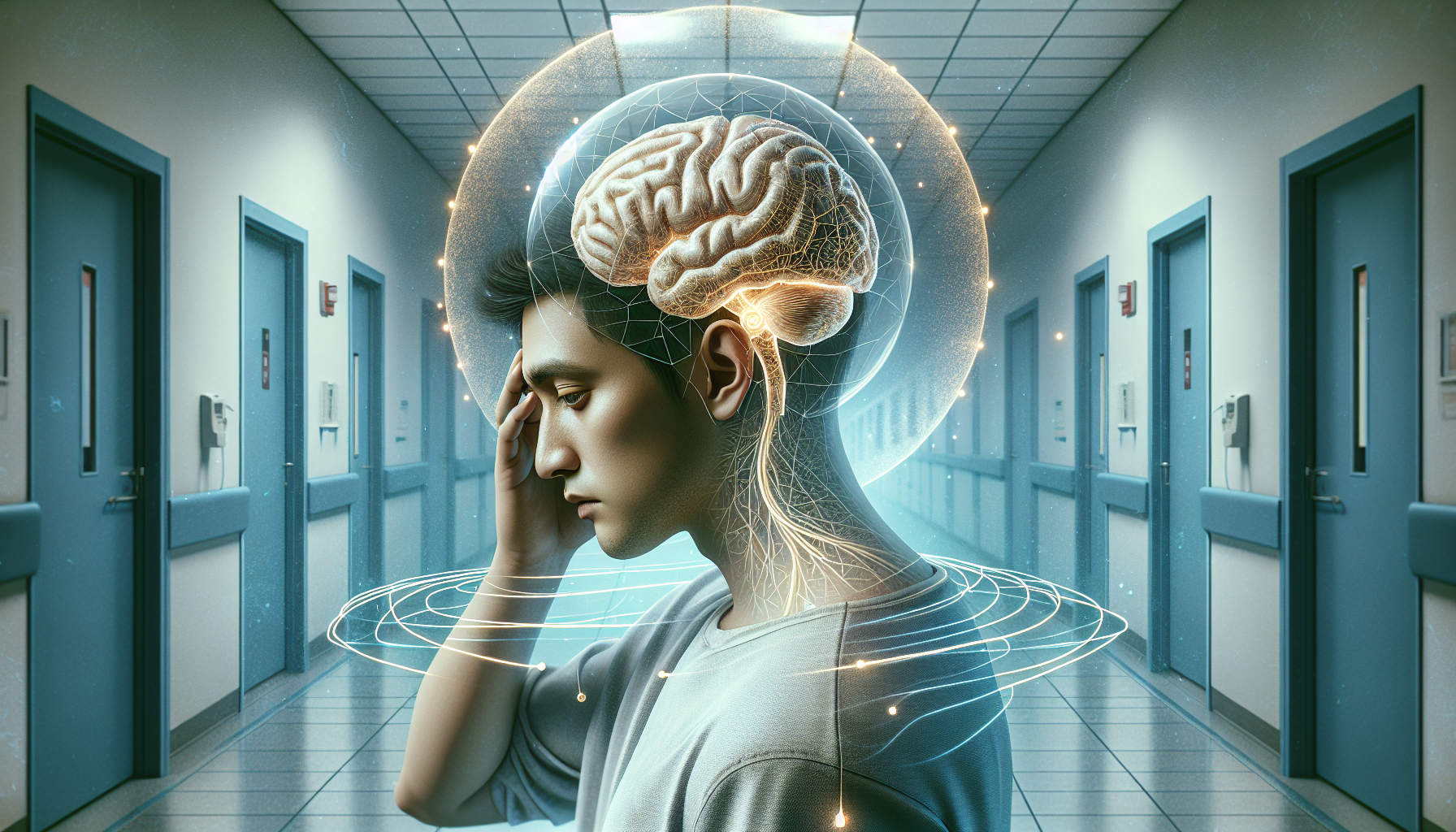
Mild traumatic brain injury (mTBI) occurs when a sudden blow or jolt to the head disrupts normal brain function. Although often referred to as a “mild” injury, the consequences can be anything but. In many cases, individuals experience a range of physical, cognitive, and emotional symptoms that can persist for…

Post-Concussion Syndrome: A Hidden Consequence of Mild Traumatic Brain Injury Read Post »

Post concussion syndrome diagnosis and management strategies

Post concussion syndrome diagnosis and management strategies

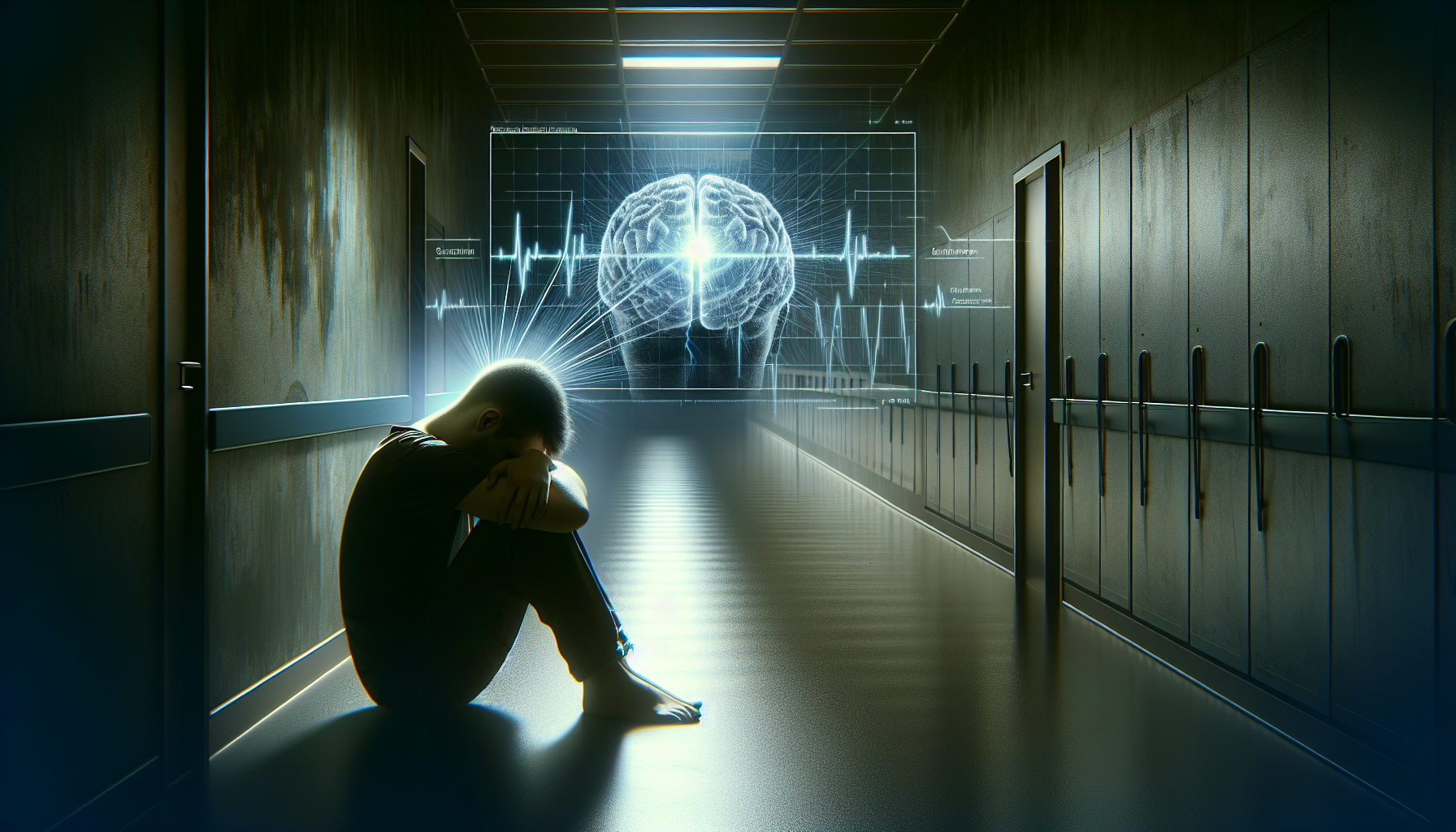
Post concussion syndrome (PCS) is a complex condition where symptoms persist long after a mild traumatic brain injury. With physical, cognitive, emotional, and sleep-related symptoms varying widely by individual, accurate early diagnosis is critical. Factors like previous concussions, mental health history, and neurochemical changes influence recovery. Multidisciplinary, personalised treatment strategies, including rehabilitation, psychological support, and graded exercise, are key to promoting functional restoration and improving long-term outcomes.

Post concussion syndrome diagnosis and management strategies Read Post »

{The Link Between

The Link Between mild traumatic brain injury and cognitive impairment

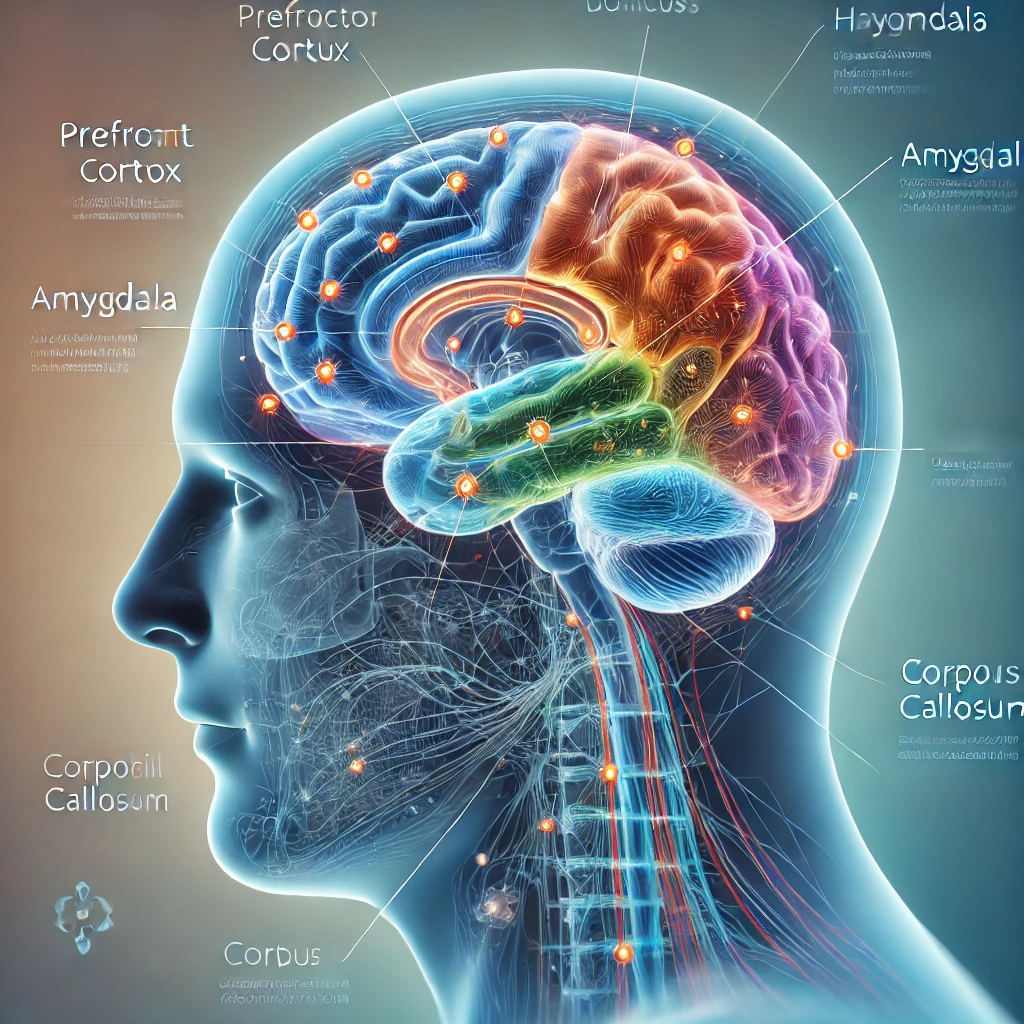
The relationship between mild traumatic brain injury (mild TBI) and cognitive impairment has become a critical area in contemporary neurological research. Understanding the link requires a closer look at how even seemingly minor head traumas can initiate complex biological and psychological processes that affect brain function over time. Mild TBI,…

The Link Between mild traumatic brain injury and cognitive impairment Read Post »

Understanding mild traumatic brain injury in clinical practice

Understanding mild traumatic brain injury in clinical practice

Mild traumatic brain injury (mTBI) involves subtle yet significant disruptions to brain function following a head impact, often without visible damage. Symptoms can be wide-ranging, from cognitive difficulties to emotional and physical challenges, sometimes persisting long after the injury. Accurate diagnosis relies on clinical judgment, supported by imaging and cognitive assessments. Rehabilitation adopts a multidisciplinary approach, aiming to restore functional abilities and mitigate long-term complications. Despite its “mild” label, mTBI can profoundly affect recovery trajectories, demanding careful clinical management and ongoing research into new therapeutic strategies.

Understanding mild traumatic brain injury in clinical practice Read Post »

Scroll to Top