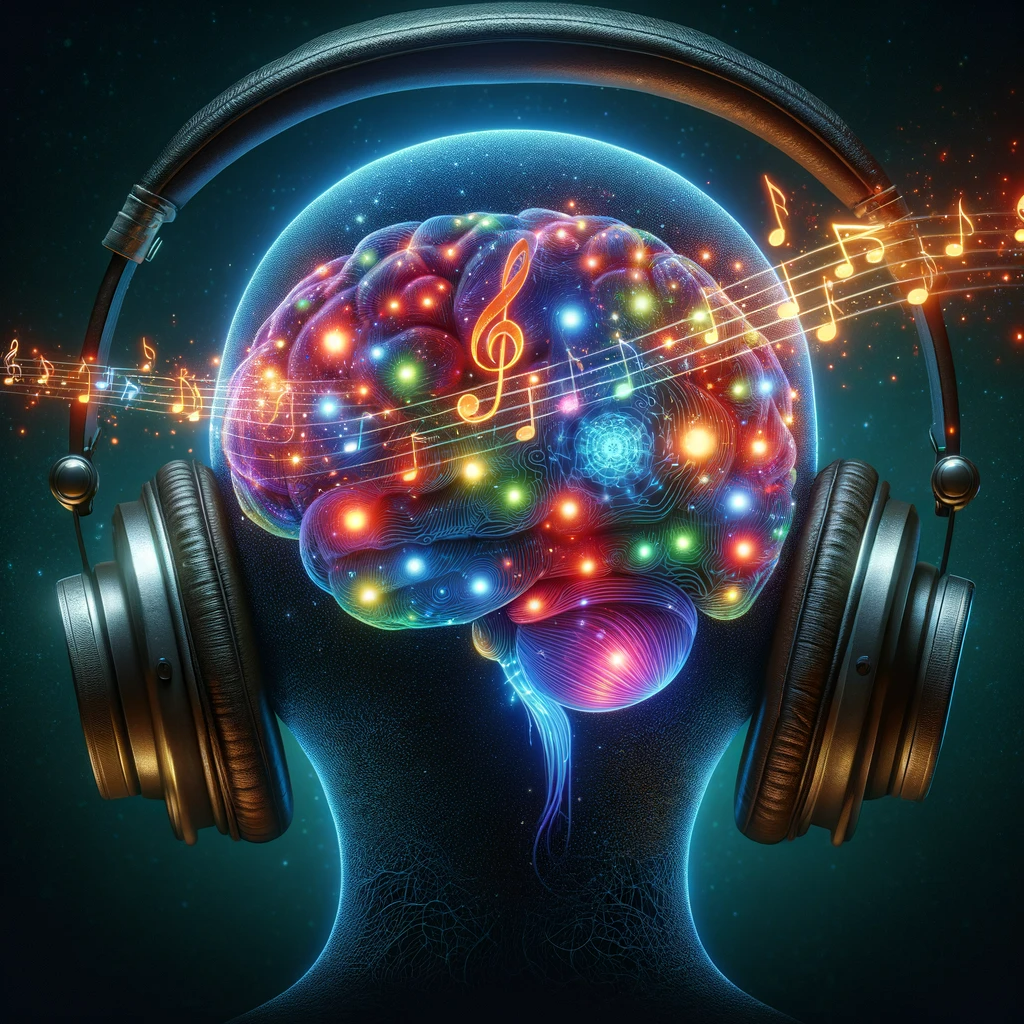
This article explores the therapeutic potential of music in the rehabilitation of individuals recovering from mild Traumatic Brain Injury (mTBI) and Post-Concussion Syndrome (PCS). It delves into how music therapy, through cognitive, emotional, and physical dimensions, can aid in the holistic recovery process. Cognitive improvements are highlighted by music’s ability to enhance memory, attention, and executive functions. The emotional support provided by music therapy offers relief from depression, anxiety, and stress, while its rhythmic elements assist in physical rehabilitation, improving coordination and movement. Furthermore, music therapy fosters social connections, enhancing the sense of community among individuals undergoing recovery. This comprehensive approach underscores the multifaceted benefits of music therapy in addressing the challenges faced by those recovering from mTBI and PCS.