neurological symptoms

Efficacy, safety, and tolerability of chenodeoxycholic acid (CDCA) in adult patients with cerebrotendinous xanthomatosis (RESTORE): a randomized withdrawal, double-blind, placebo-controlled, crossover phase 3 study

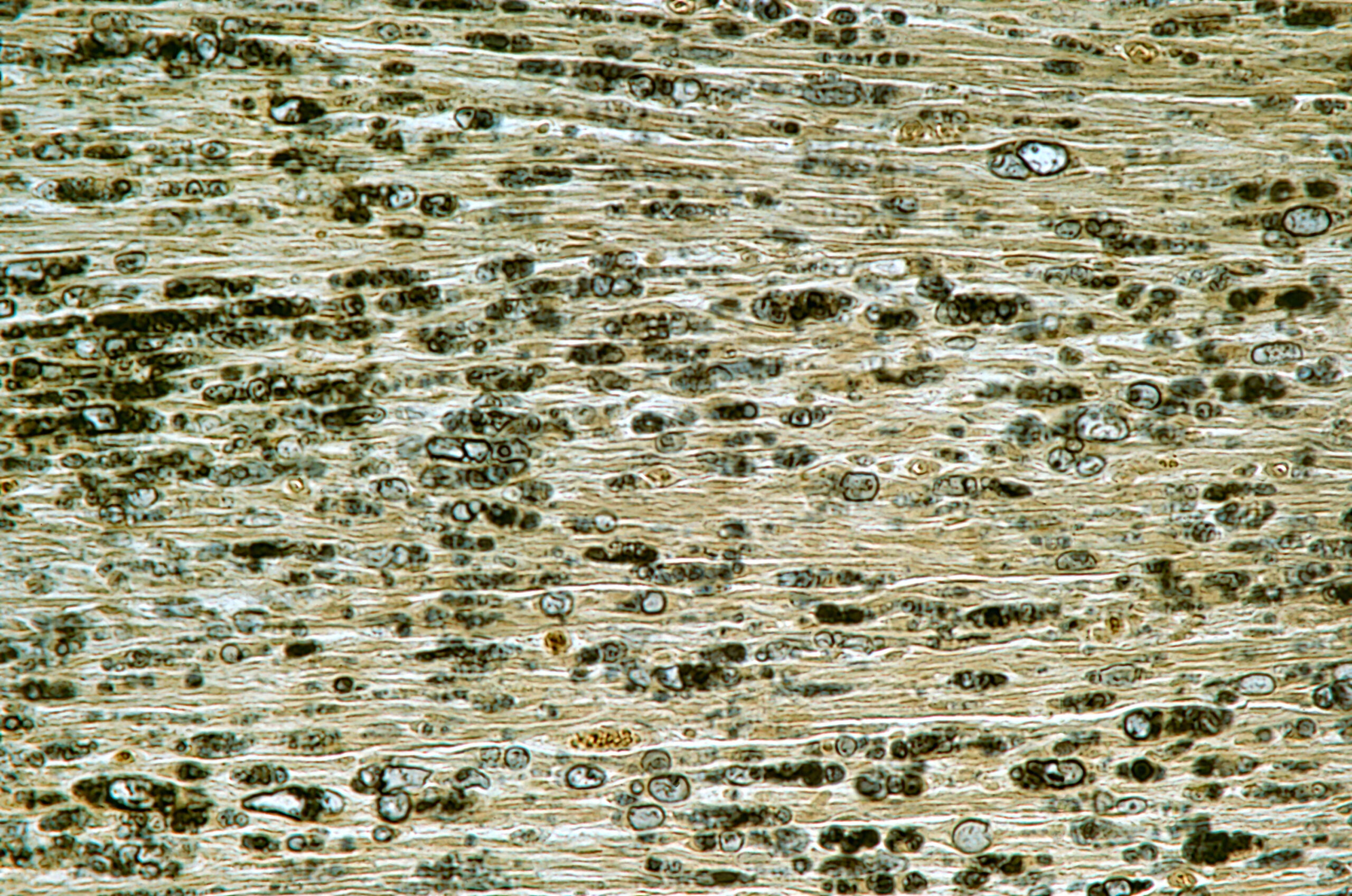
Efficacy of Chenodeoxycholic Acid Chenodeoxycholic acid (CDCA) has emerged as a critical therapeutic option for patients suffering from cerebrotendinous xanthomatosis

Efficacy, safety, and tolerability of chenodeoxycholic acid (CDCA) in adult patients with cerebrotendinous xanthomatosis (RESTORE): a randomized withdrawal, double-blind, placebo-controlled, crossover phase 3 study Read Post »

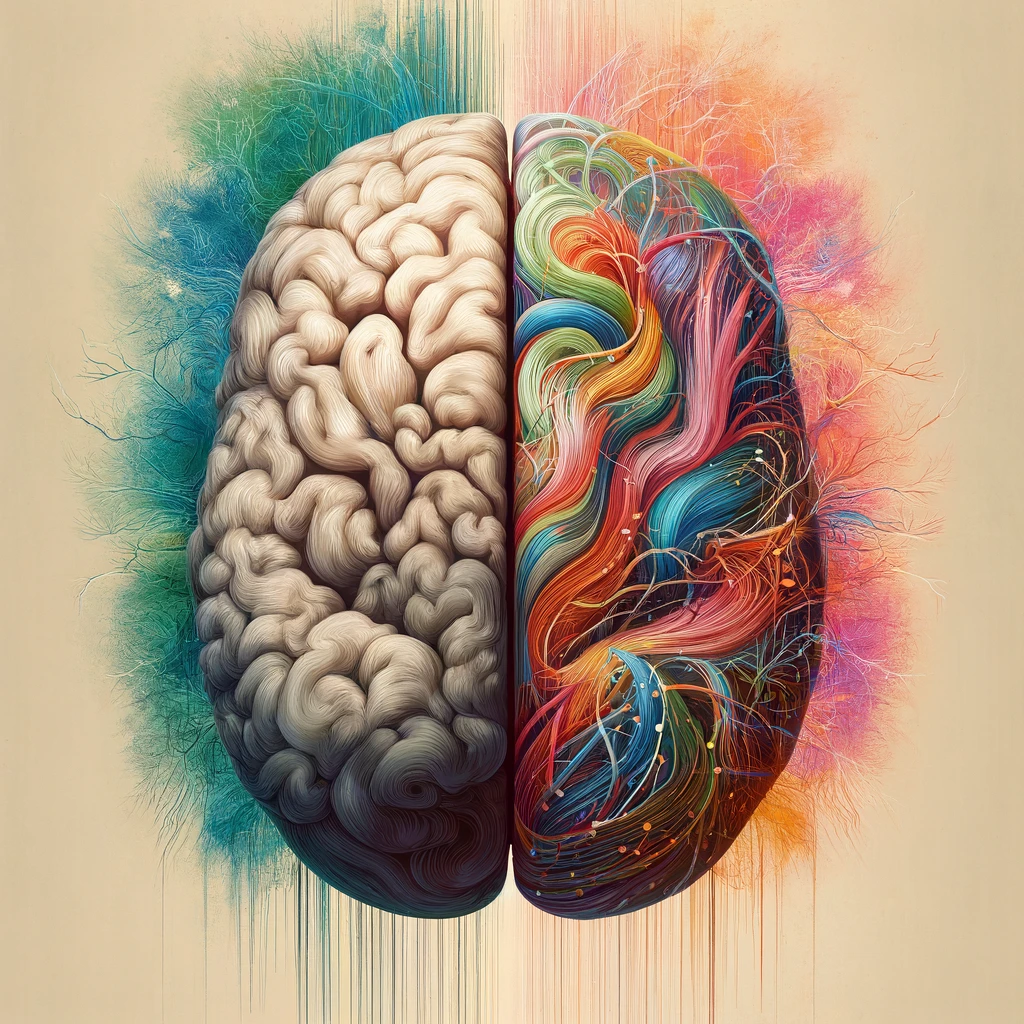
DALL·E 2024 05 15 15.58.51 An Artistic Conceptual Illustration For A Medical Publication Cover About Functional Neurological Disorders FND. The Image Should Feature A Human Br

Misdiagnosis in Functional Neurological Disorders (FND)

Functional Neurological Disorders (FND) present with symptoms that lack clear organic causes and mimic other neurological disorders. This overlap complicates diagnosis and significantly increases the likelihood of misdiagnosis. Traditionally considered a diagnosis of exclusion, the approach to FND has shifted towards inclusion based on specific clinical indicators. Despite advancements in diagnostic techniques and a growing understanding of FND’s pathophysiology, misdiagnoses remain common. These are often exacerbated by persistent misconceptions, such as viewing FND as solely psychological or suspecting symptom feigning. Misdiagnoses lead to inappropriate treatments, which are costly, potentially harmful, and psychologically damaging to patients. This paper reviews the challenges and impacts of FND misdiagnosis, emphasizes the importance of an informed, multidisciplinary approach for accurate diagnosis, and suggests advancements in neuroimaging and clinical education as critical tools for improvement.

Misdiagnosis in Functional Neurological Disorders (FND) Read Post »

0DD3A08D 493F 4976 9C67 45D3C95A40FE

Distinguishing Functional Neurological Disorder from Malingering or Feigning

Functional Neurological Disorder (FND) presents a frontier of exploration in neurological and psychiatric disciplines, where symptoms manifest without clear organic causes. Neuroimaging, a pivotal tool in this exploration, offers a window into the brain’s workings, shedding light on how FND differs fundamentally from other disorders like malingering or feigning. This article delves into the sophisticated diagnostic techniques that delineate the nuanced presentations of FND. It highlights the ethical and clinical challenges faced by healthcare professionals in distinguishing genuine neurological symptoms from those artificially produced. With advancements in technology and a deepening understanding of the brain’s complex functions, we are better equipped to offer precise diagnoses and tailored treatments, paving the way for improved patient outcomes in FND management.

Distinguishing Functional Neurological Disorder from Malingering or Feigning Read Post »

Shutterstock 2260107799 Scaled

Brain Pathology in the Context of Concussion History

Exploring the intricate relationship between concussion history and brain pathology reveals a complex interplay of symptoms and conditions extending beyond the traditional focus on chronic traumatic encephalopathy (CTE). This overview delves into the multifaceted clinical manifestations and neuropathological outcomes associated with repeated head trauma, highlighting the role of DNA damage and the necessity for a broader diagnostic and therapeutic approach. As research unveils the varied mechanisms underlying concussion-related brain changes, it emphasizes the importance of personalized medicine in addressing the long-term effects of concussions, fostering a deeper understanding that could revolutionize patient care

Brain Pathology in the Context of Concussion History Read Post »

Scroll to Top