neurology

The role of the frontal lobe in criminal decision making

Abnormalities in the frontal lobe have been increasingly linked to criminal behaviours, particularly those involving impulsivity, aggression, and poor judgement. This brain region governs executive functions like moral reasoning, impulse control, and decision-making. Neuroimaging studies and clinical data reveal how dysfunction in specific subregions may impair behavioural regulation, challenging conventional views of responsibility and offering new insights into justice, rehabilitation, and the biological roots of antisocial conduct.

The role of the frontal lobe in criminal decision making Read Post »

Shutterstock 1063712879 Scaled

How brain injury can influence violent crime

Traumatic brain injury can profoundly alter impulse control, emotional regulation, and decision-making, increasing the likelihood of aggressive and criminal behaviour. Damage to the prefrontal cortex and limbic system disrupts key neurological functions, while imbalances in neurotransmitters exacerbate emotional instability. Early-life injuries, untreated trauma, and environmental factors further heighten risks. Advances in neurorehabilitation and evolving public policies are reshaping approaches to prevention, treatment, and justice, illuminating the complex interplay between brain injury and violent behaviour.


How brain injury can influence violent crime Read Post »

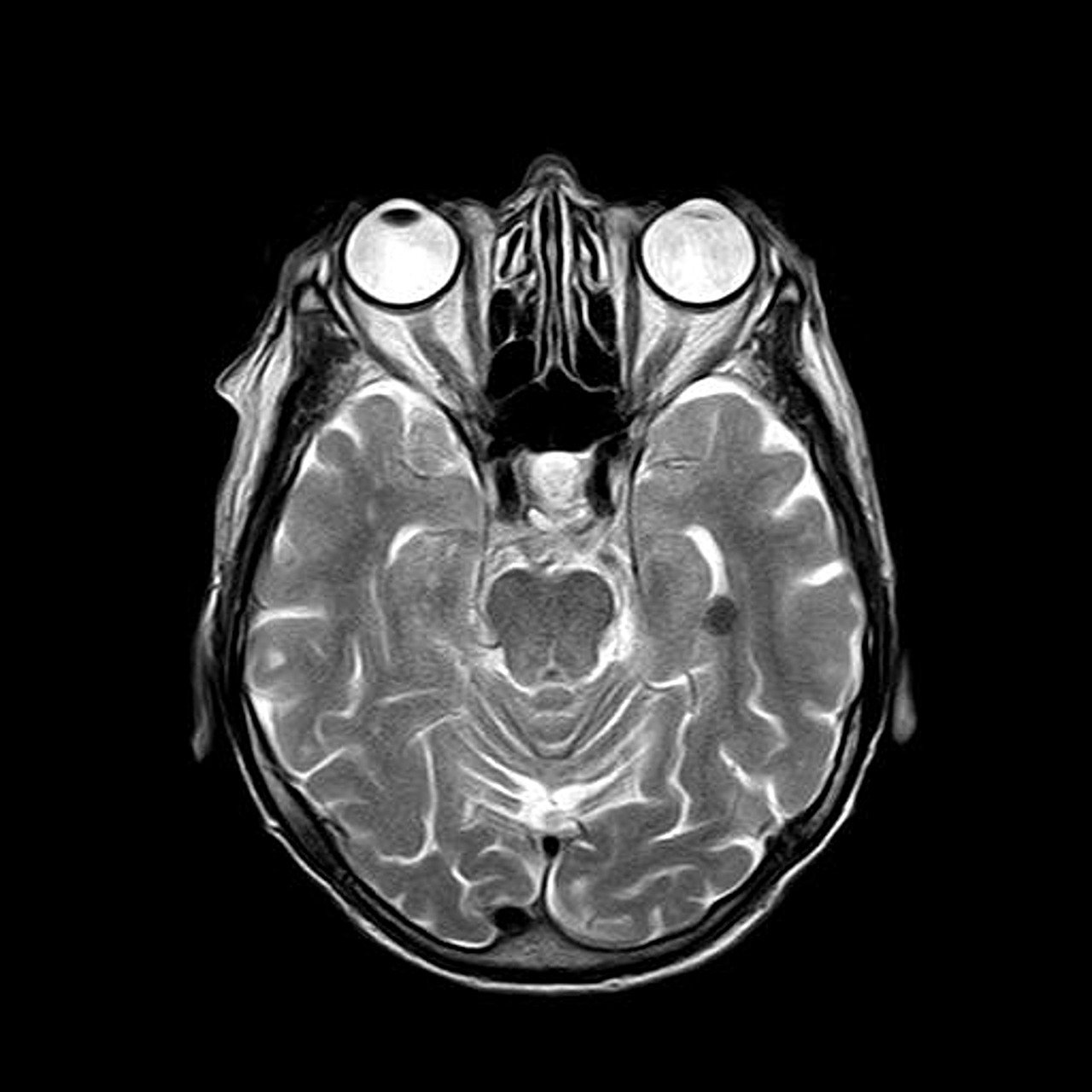
Mri 782457 1280

The neuroscience behind criminal behaviour

Emerging research in neuroscience reveals how brain structure, neurochemistry, genetics, and early life experiences intertwine to influence criminal behaviour. From abnormalities in the prefrontal cortex and amygdala to hormonal imbalances and gene-environment interactions, biological factors play a significant role. These findings prompt crucial ethical debates as neuroscience edges closer to the courtroom, raising profound questions about responsibility, rehabilitation, and human rights in an era where the roots of crime are increasingly traced to the mind itself.

The neuroscience behind criminal behaviour Read Post »

Scroll to Top