Top Posts
Post-traumatic headache: Treatment Overview
The starry night
Distinguishing Mild Neurocognitive Disorder Due to TBI in...
The Moors Murders: A Chilling Crime and the...
Acute Mild Traumatic Brain Injury (Concussion) in Adults:...
Understanding Functional Neurological Disorder (FND): A Comprehensive Guide...
The Neurobiology of a Killer: Understanding Christopher Halliwell’s...
Traumatic Brain Injury and Cognitive Decline: Exploring the...
Exploring the Role of Salivary Biomarkers in Mild...
Santiago Ramón y Cajal: The Father of Modern...
  • Home
  • Traumatic brain injury
  • Functional neurological disorders
  • Dementia
  • Headaches
myneuronews.com
"Insights into mTBI, PCS, and FND — One Synapse at a Time" A bit more creative, nodding to neuroscience roots while covering your full range.
Tag:

neuropsychological symptoms

  • Cognitive impairmentTraumatic brain injury

    Functional Cognitive Impairment Following Mild Traumatic Brain Injury (mTBI)

    by Ioannis Mavroudis April 27, 2024
    by Ioannis Mavroudis April 27, 2024

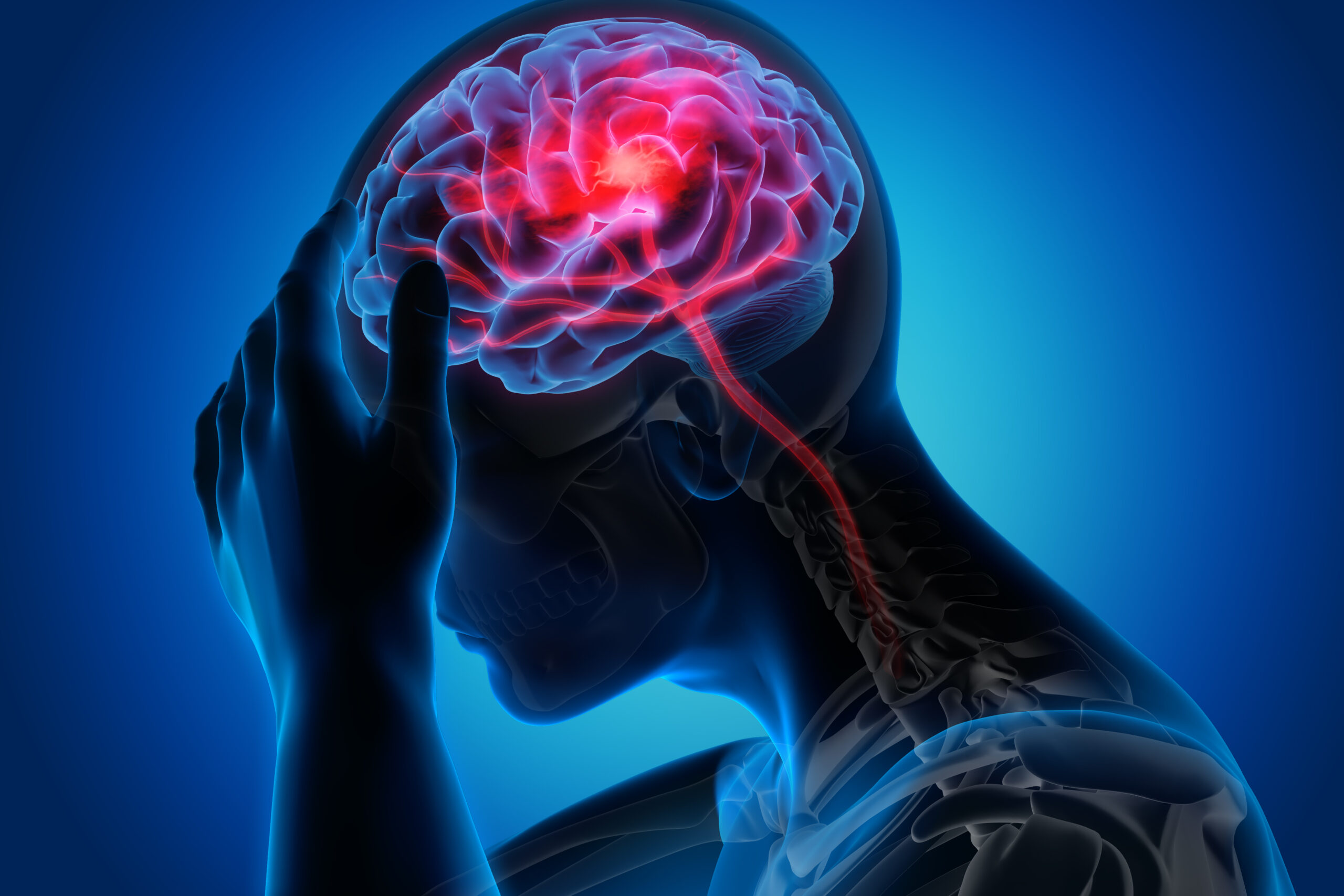
    Functional cognitive impairment (FCI) post-mild traumatic brain injury (mTBI) presents a significant challenge, often manifesting …

    Read more
    0 FacebookTwitterPinterestEmail
  • Brain and circulating EV proteome signatures in schizophrenia as prognostic markers for age-related dementia
    Prognostic Value of EV Proteome in Schizophrenia The examination of extracellular vesicles (EVs) in schizophrenia…
  • Are symptoms clustered into latent classes in pediatric functional neurological disorder?
    Symptoms Clustering in Pediatric Functional Neurological Disorder Pediatric functional neurological disorder (FND) presents a complex…
  • An e-Delphi approach to develop a patient-reported outcome measure to assess functional/dissociative seizures severity
    Study Overview In recent years, the growing recognition of the impact of functional/dissociative seizures on…
  • Diagnostic challenges in Burkitt’s lymphoma with skull base and paravertebral involvement, and hearing loss: a case report
    Study Overview This case report focuses on Burkitt’s lymphoma, a highly aggressive type of non-Hodgkin…
  • miR-26b-5p responds to aerobic exercise intervention for concussion recovery in adolescent athletes: a pilot trial
    Study Overview The research aimed to investigate the role of miR-26b-5p in the recovery of…

Archives

  • January 2026
  • December 2025
  • November 2025
  • October 2025
  • September 2025
  • August 2025
  • July 2025
  • June 2025
  • May 2025
  • April 2025
  • March 2025
  • February 2025
  • November 2024
  • October 2024
  • September 2024
  • July 2024
  • June 2024
  • May 2024
  • April 2024
  • March 2024
  • February 2024

Categories

  • Biomarkers
  • Brain & Art
  • Brain & Crime
  • Chronic Traumatic Encephalopathy
  • Cognitive impairment
  • Cranial nerves
  • Dementia
  • Diagnostic Criteria
  • Functional neurological disorders
  • Headaches
  • Medical professionals
  • Neuroanatomy
  • Neurology Pioneers
  • Neuroscience
  • NeuroVideos
  • Patient education
  • Post traumatic epilepsy
  • Post traumatic headache
  • Research
  • Traumatic brain injury
  • Uncategorized

Research

  • Leveraging the Enhanced Sports as a Laboratory Assessment Model to Cross-Validate a Formula Used to Predict Clinical Recovery From Concussion in Collegiate Athletes
    CONCLUSIONS: Upon cross-validation, our prognostic formula had limited sensitivity and specificity when predicting clinical recovery after concussion. This formula may be used, with caution, when accompanied by a multidimensional assessment to inform clinical decision making after concussion.
  • miR-26b-5p responds to aerobic exercise intervention for concussion recovery in adolescent athletes: a pilot trial
    CONCLUSION: miRNAs 1246, 944, and 151a-3p may be concussion biomarkers unaffected by aerobic exercise. miR-26b-5p, associated with concussion and exercise volume, may be a useful biomarker to monitor adherence to exercise prescriptions for SRC recovery.
  • Creatine Supplementation and the Brain: Have We Put the Cart Before the Horse?
    Creatine is an important regulator of brain bioenergetics, yet the efficacy of creatine supplementation (CrS) in the brain remains largely unknown. Measurement of brain creatine using proton (¹H) and phosphorus (³¹P) magnetic resonance spectroscopy is highly sensitive to voxel placement, signal quality, analysis pipelines, and reporting conventions which can obscure the detection of biological responses […]
  • Concussion recovery time, return-to-play protocols, and mandated sit-out periods among adult amateur contact field sports: A systematic review
    CONCLUSION: Recovery time following concussion in contact sports should be interpreted in light of sport type, mandated sit-out policies, and RTP protocols. Empirical evidence should drive decisions in RTP protocols and sit-out periods, which are currently inconsistent between sports.
  • Snapin mediates neuronal PANoptosis after mild traumatic brain injury via H(2)S-dependent S-sulfhydration of CTSD
    CONCLUSION: Snapin promotes mTBI-induced neuronal PANoptosis by disrupting the H(2)S/CTSD pathway through specific binding with CBS. Therapeutic strategies targeting Snapin, restoring H(2)S homeostasis, or inhibiting CTSD activation may significantly alleviate neurological impairment and neuroinflammation post-mTBI, highlighting novel therapeutic avenues for mTBI treatment.

Newsletter

Subscribe my Newsletter for new blog posts, tips & new photos. Let's stay updated!

  • Facebook
  • Twitter
  • Linkedin
  • Youtube
  • Email
myneuronews.com
  • Home
  • Traumatic brain injury
  • Functional neurological disorders
  • Dementia
  • Headaches
myneuronews.com
  • Home
  • Traumatic brain injury
  • Functional neurological disorders
  • Dementia
  • Headaches
@2021 - All Right Reserved. Designed and Developed by PenciDesign