
One size does not fit all: how type of menopause and hormone therapy matters for brain health
Menopause Types and Their Impact Menopause is a significant transition in a woman’s life, marked by the cessation of menstrual […]
Menopause Types and Their Impact Menopause is a significant transition in a woman’s life, marked by the cessation of menstrual […]
Head Kinematics in Gymnastics In the realm of gymnastics, head kinematics plays a critical role in the overall execution of
Therapeutic Strategies In managing traumatic brain injury (TBI), various therapeutic strategies have emerged, focusing on the use of supplements and
Supplement and nutraceutical therapy in traumatic brain injury Read Post »
Predictors of Skull Fracture Pediatric traumatic brain injury (TBI) frequently involves skull fractures, which are critical indicators of the severity
Biomechanical Framework of Head Impacts The biomechanics of head impacts in rugby is a complex area of study, intricately linked
Impact of Collegiate Football on Health Collegiate football has long been a cornerstone of American sports culture, but it also
Background and Rationale In recent years, the growing concern surrounding sports-related concussions has prompted educators, medical professionals, and researchers to
Clinical Relevance of Sleep Quality Sleep quality is a pivotal aspect of overall health and well-being, particularly affecting cognitive function,
Clinical Cut Point for the Pittsburgh Sleep Quality Index After Adolescent Concussion Read Post »
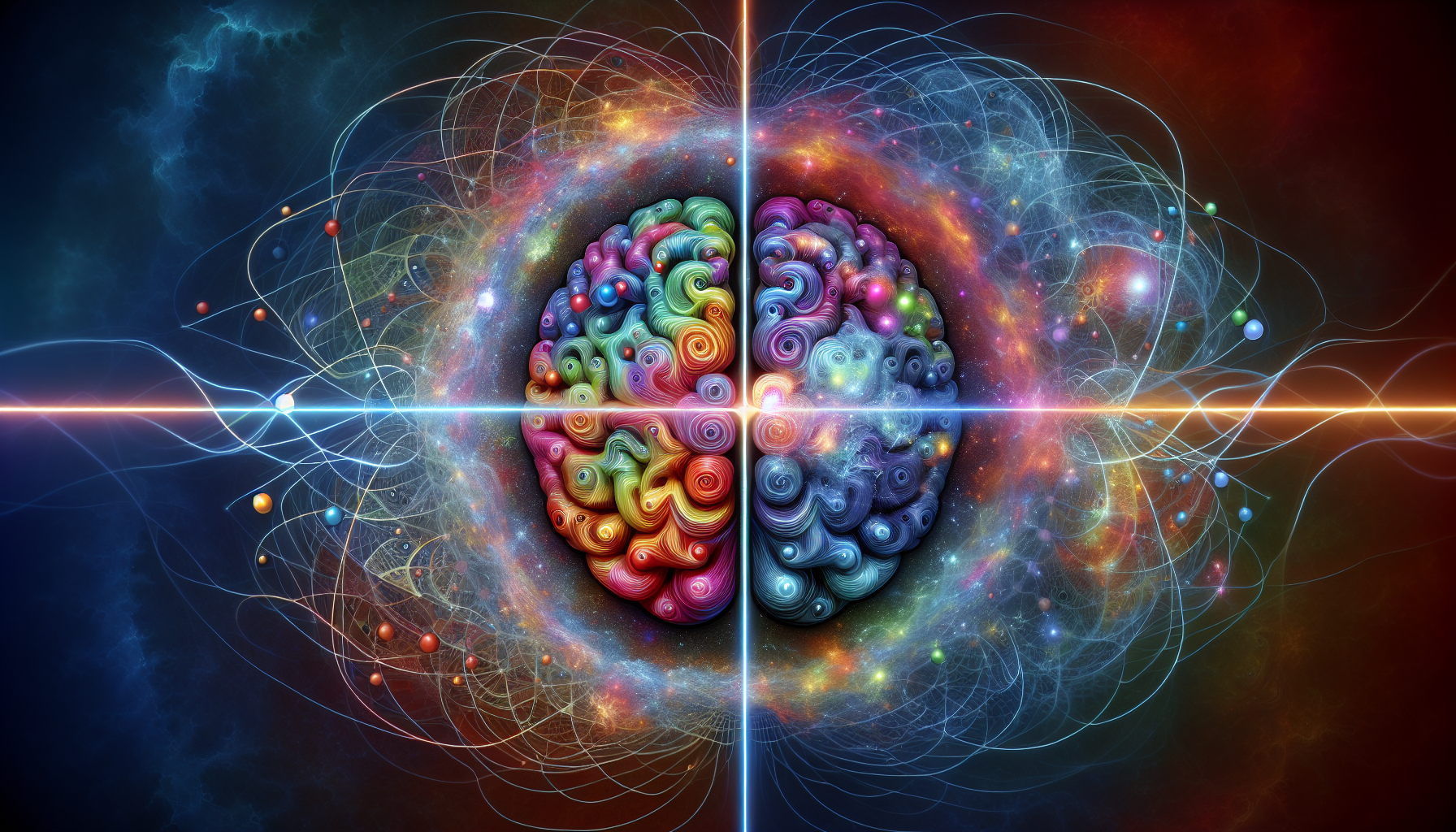
The Bayesian brain hypothesis frames the brain as a probabilistic machine, constantly updating predictions based on incoming sensory data. Emerging research explores striking parallels with quantum mechanics, suggesting that concepts like superposition and entanglement may offer deeper insights into perception, decision-making, and cognitive uncertainty, challenging traditional models and inspiring new approaches to understanding the dynamics of the mind.
Bayesian brain theories and their link to quantum mechanics Read Post »
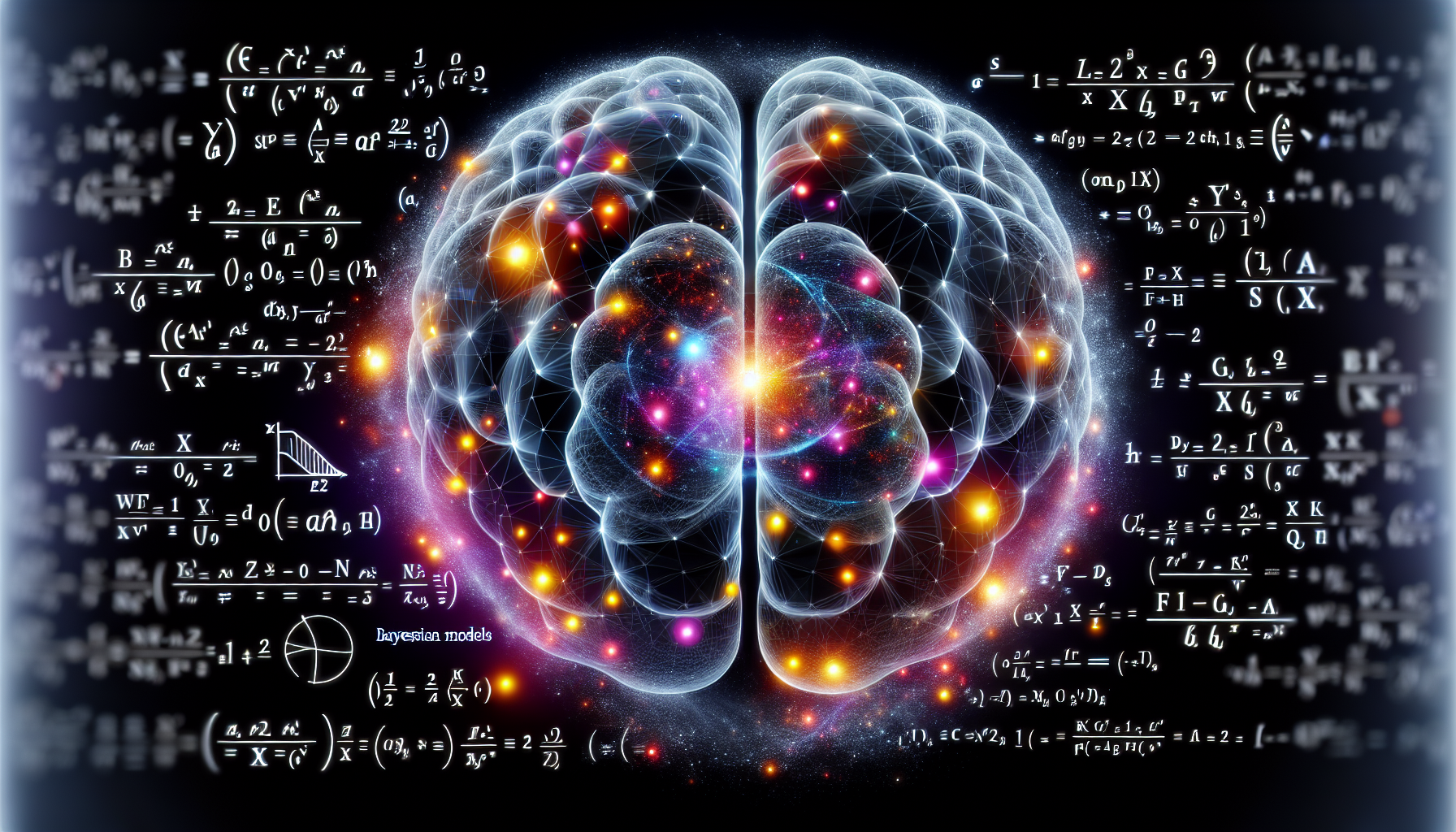
Advances in mathematics are reshaping theories of human cognition, moving beyond classical models of rationality to embrace probabilistic and context-dependent frameworks. The integration of Bayesian inference and quantum cognition offers powerful tools for modelling perception, decision-making, and belief updating, aligning more closely with empirical findings from neuroscience. Emerging hybrid models reveal the mind’s dynamic, adaptive nature, challenging traditional assumptions and opening new pathways for understanding the intricate processes underlying thought, memory, and judgement.
Mind mathematics and the Bayesian brain in quantum cognition Read Post »