physics

Primary Blast-Induced Traumatic Brain Injury as a Risk Factor for (Cerebro)vascular Disorder: Clinical Manifestations, Blast Physics, Biomechanics, Pathobiology, and Critical Gaps

Blast-Induced Brain Injury Mechanisms Traumatic brain injury (TBI) resulting from explosive blasts is a complex phenomenon influenced by the unique

Primary Blast-Induced Traumatic Brain Injury as a Risk Factor for (Cerebro)vascular Disorder: Clinical Manifestations, Blast Physics, Biomechanics, Pathobiology, and Critical Gaps Read Post »

Primary Blast-Induced Traumatic Brain Injury as a Risk Factor for (Cerebro)vascular Disorder: Clinical Manifestations, Blast Physics, Biomechanics, Pathobiology, and Critical Gaps

Understanding Blast-Induced Brain Injury Blast-induced brain injury is a unique form of traumatic brain injury (TBI) arising primarily from the

Primary Blast-Induced Traumatic Brain Injury as a Risk Factor for (Cerebro)vascular Disorder: Clinical Manifestations, Blast Physics, Biomechanics, Pathobiology, and Critical Gaps Read Post »

Relativity and quantum processes in the thinking brain

Relativity and quantum processes in the thinking brain

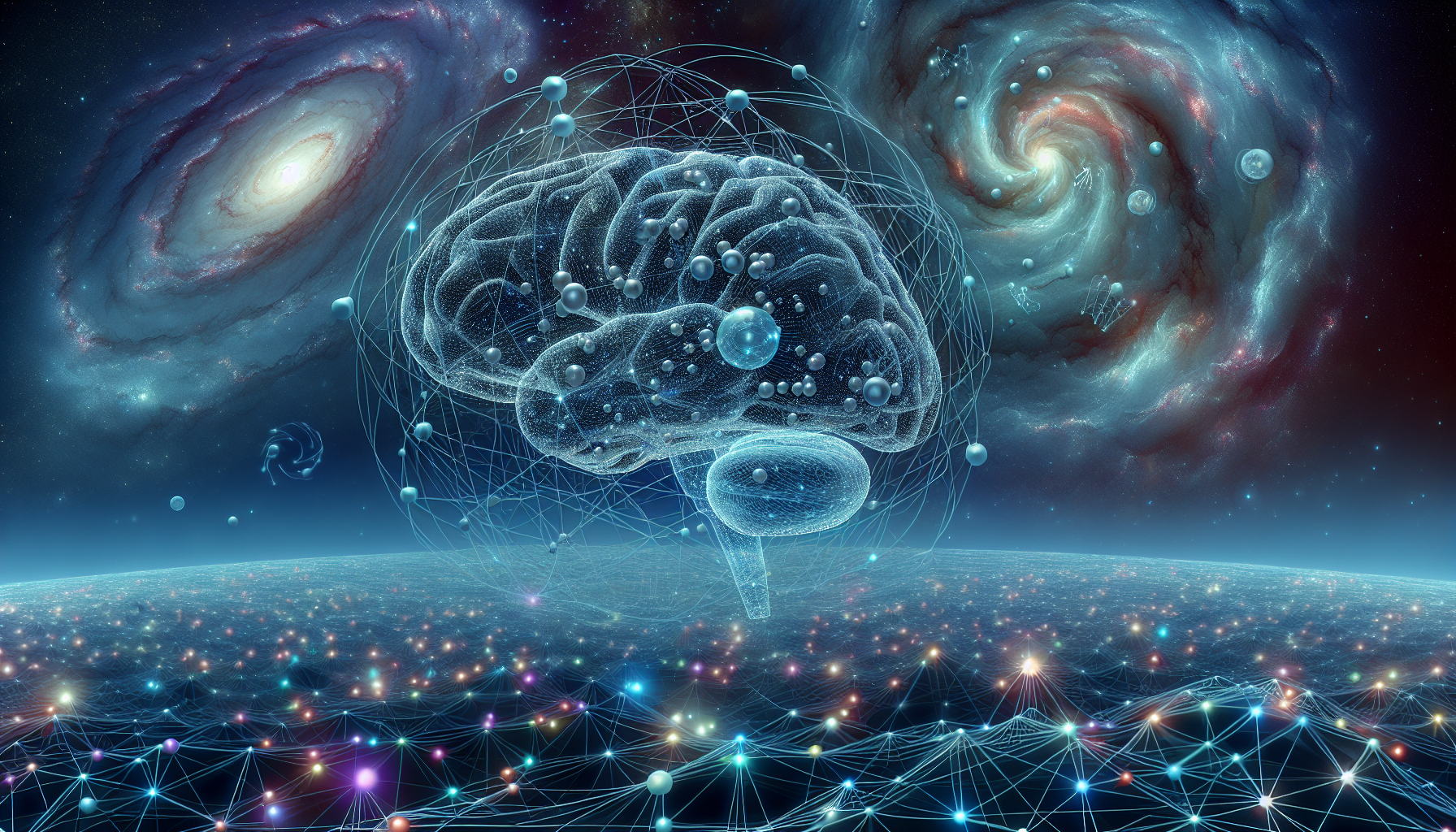
The boundaries between neuroscience and physics are blurring, revealing how concepts from relativity and quantum mechanics may shape the inner workings of the thinking brain. Emerging theories suggest that time perception, memory, and consciousness could stem from quantum entanglement, relativistic signal delays, and non-classical neural architectures, hinting at a reality where cognition arises from the universe’s most fundamental principles.

Relativity and quantum processes in the thinking brain Read Post »

Scroll to Top