post-traumatic headache

Response to the Letter to the Editor: “Comments on ‘Acupuncture Treatment for Chronic Post-Traumatic Headache in Individuals with Mild Traumatic Brain Injury: A Pilot Study'”

Study Overview In recent years, the exploration of acupuncture as a therapeutic option for chronic pain conditions has gained traction,

Response to the Letter to the Editor: “Comments on ‘Acupuncture Treatment for Chronic Post-Traumatic Headache in Individuals with Mild Traumatic Brain Injury: A Pilot Study'” Read Post »

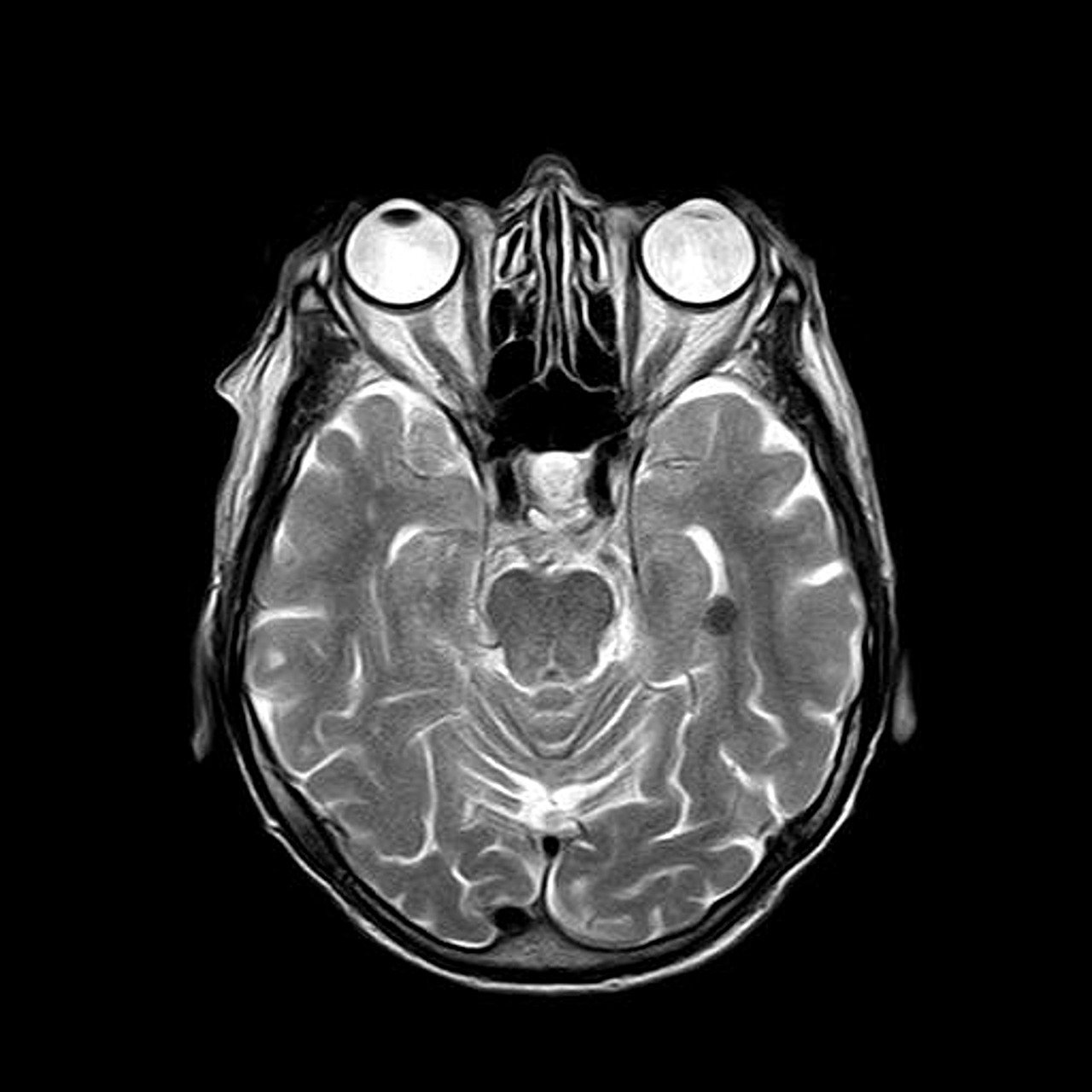
Mri 782457 1280

Post-traumatic headache: Treatment Overview

In the management of post-traumatic headaches (PTH), a multifaceted approach is essential due to the complex nature of the condition and the variability in patient response to treatment. Pharmacological treatments, such as NSAIDs and paracetamol, offer initial relief for mild to moderate headaches, while antiepileptic drugs and tricyclic antidepressants have been shown to provide significant improvements over time. Notably, the effectiveness of prophylactic medications like topiramate and triptan-class medications underscores the tailored approach needed in treating chronic PTH, especially when considering the etiology of the headache, whether related to blast injuries or not.

Beyond pharmacology, non-invasive interventions such as repetitive transcranial magnetic stimulation (rTMS) have emerged as promising options for addressing both PTH and associated depressive symptoms, highlighting the interconnectedness of post-concussion symptomatology. Similarly, the application of neutralizing prismatic lenses for patients with vertical heterophoria (VH) has demonstrated significant reductions in headache, dizziness, and anxiety, offering a novel avenue for symptom management.

For cases resistant to conventional therapies, surgical interventions like peripheral nerve surgery present a viable option, with substantial evidence supporting its efficacy in reducing headache pain and improving patient outcomes. Furthermore, the use of botulinum toxin has been reported to effectively alleviate chronic tension-type PTHs, providing relief when other treatments have failed.

This diverse treatment landscape emphasizes the importance of a personalized and comprehensive approach in the management of PTH, incorporating both traditional pharmacological treatments and innovative therapeutic modalities to address the unique needs of each patient.

Post-traumatic headache: Treatment Overview Read Post »

Shutterstock 1423084877 Scaled

Incidence of Post-Traumatic Headaches After Mild Traumatic Brain Injury

The prevalence of post-traumatic headache (PTH) following mild traumatic brain injury (mTBI) exhibits significant variability, with estimates ranging from 30% to 90% in the general population. This variance is attributed to methodological differences across studies, including variations in study population characteristics and the duration of follow-up periods. PTH is notably the most common symptom reported after mTBI, and its occurrence is crucially dependent on data from patients seeking immediate care in emergency settings. However, the frequency of PTH among patients consulting general practitioners days after the trauma is challenging to ascertain. Complicating the diagnosis further, PTH can be misidentified as migraine or another primary headache disorder, especially among individuals with a history of headaches. The issue of underreporting is particularly relevant in specific groups such as athletes and military personnel, where the incidence of PTH may be higher than reported. The complexity of accurately diagnosing and reporting PTH prevalence underscores the need for a nuanced understanding of its epidemiology, considering the impact of methodological approaches, patient populations, and healthcare-seeking behaviors.

Incidence of Post-Traumatic Headaches After Mild Traumatic Brain Injury Read Post »

Scroll to Top