
Risk Factors for Functional Cognitive Impairment after Mild Traumatic Brain Injury
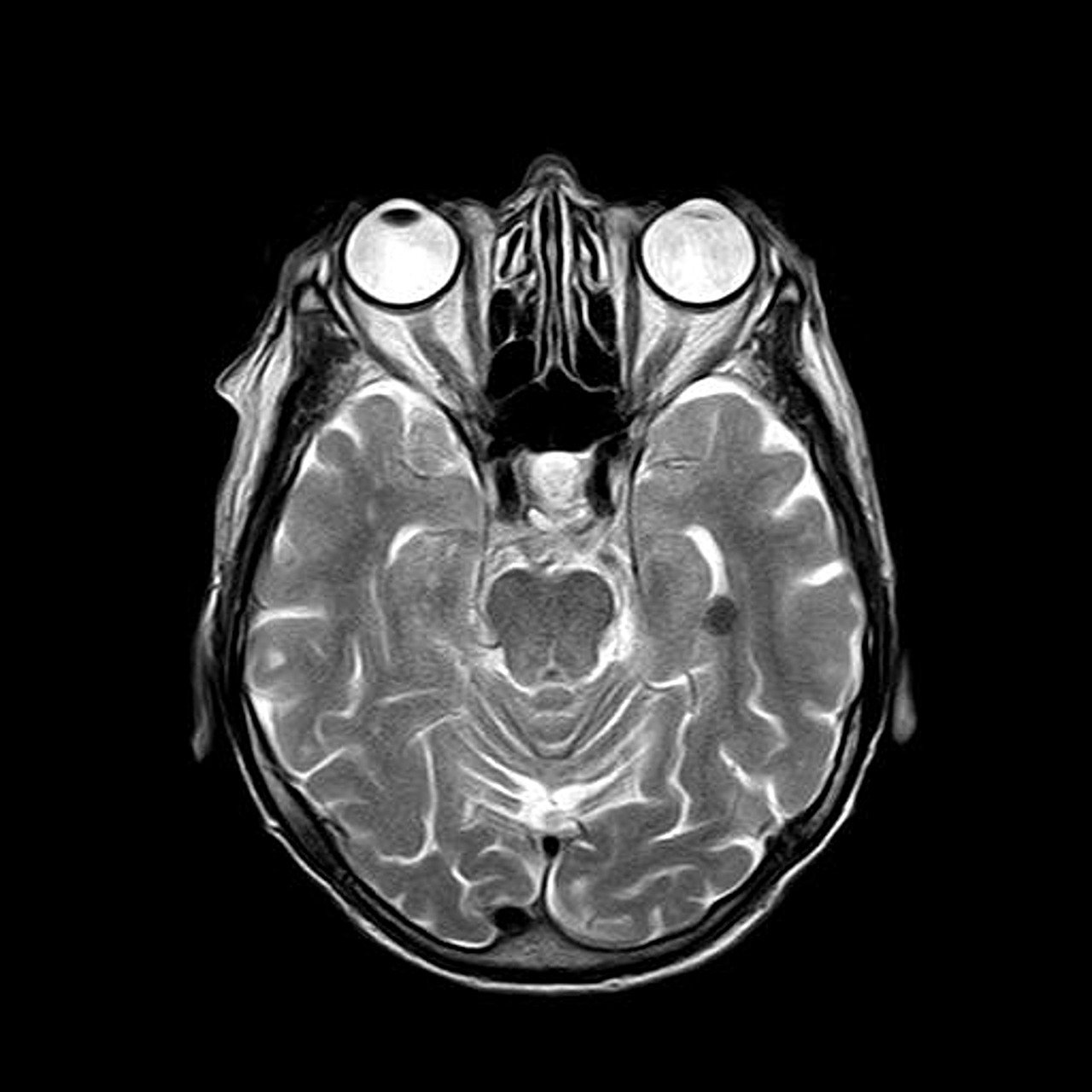
Mild traumatic brain injury (mTBI) poses a risk of long-term functional cognitive impairment (CI), influenced by diverse pre- and post-injury factors. This review synthesizes current research on the risk factors associated with CI following mTBI, drawing from recent findings in neuropsychological assessments, neuroimaging studies, and genetic analyses. Pre-injury comorbidities such as psychiatric conditions and hypertension, alongside demographic factors like age and gender, have been identified as significant contributors to post-mTBI cognitive challenges. Additionally, injury-specific symptoms including fatigue and headaches are crucial predictors of CI. Neuroimaging techniques, including functional MRI and diffusion tensor imaging, reveal changes in brain structure and connectivity that correlate with cognitive deficits. The presence of the Apolipoprotein epsilon 4 allele also heightens the risk of CI and interacts with other conditions such as Alzheimer’s disease. Methodologically, the research utilizes cross-sectional and longitudinal studies to map the progression of CI and employs statistical analyses to elucidate significant predictors. This comprehensive approach underscores the complexity of diagnosing and managing CI post-mTBI, highlighting the need for targeted intervention strategies based on individual risk profiles.
Risk Factors for Functional Cognitive Impairment after Mild Traumatic Brain Injury Read Post »