rehabilitation

Psychological interventions for externalising behaviours following paediatric traumatic brain injury: a systematic review and clinical practice recommendations

Overview of Externalising Behaviours Externalising behaviours refer to a range of actions that move outwardly, affecting the environment and often […]

Psychological interventions for externalising behaviours following paediatric traumatic brain injury: a systematic review and clinical practice recommendations Read Post »

DALL·E 2023 11 18 09.04.23 An Illustrative And Conceptual Image For An Article About The Disorder Of Information Processing In Functional Neurological Disorder FND. The Image

Physiotherapy for treating functional neurological disorder

Functional neurological disorder (FND) presents with genuine, disabling symptoms such as weakness, tremor, and non-epileptic seizures, yet lacks structural brain damage. Emerging research reveals FND arises from disrupted brain network activity, shifting treatment towards multidisciplinary, neuroplasticity-focused rehabilitation. Physiotherapy plays a key role by retraining movement patterns, promoting self-efficacy, and addressing secondary complications through tailored interventions. Effective communication, patient education, and attention to psychological factors are crucial for recovery. Advances in technology and integrated care models are reshaping the future of FND management, offering new hope for lasting functional improvements.

Physiotherapy for treating functional neurological disorder Read Post »

9C856E03 1923 4A1F A0FA EEE109C274C2

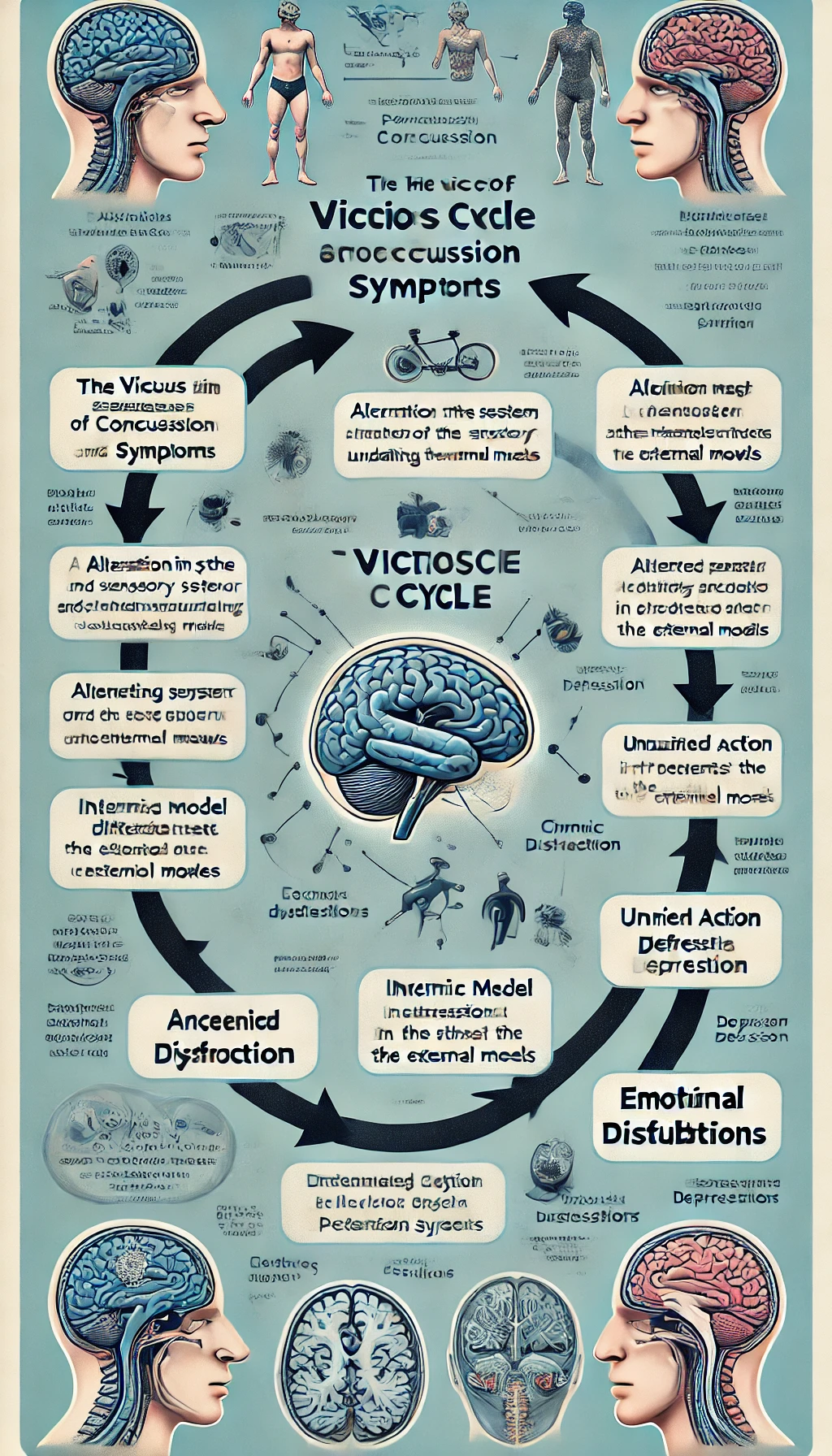
Understanding “Internal Fake News”: The Link Between Concussion, Sensory Alterations, and Emotional Health

Concussions and post-concussion symptoms significantly impact the brain’s ability to process and integrate sensory information, leading to a phenomenon termed “internal fake news.” This occurs when altered sensory perceptions distort internal models, affecting decision-making and leading to a cascade of negative consequences including chronic stress, anxiety, and depression. The cerebellum’s role in integrating multisensory information is crucial for updating these internal models accurately. Disruptions in this process, commonly seen in concussion patients, result in a vicious cycle of emotional disturbances. Early intervention and a multidisciplinary approach are essential for mitigating these effects and supporting recovery.

Understanding “Internal Fake News”: The Link Between Concussion, Sensory Alterations, and Emotional Health Read Post »

Scroll to Top