rehabilitation

9C856E03 1923 4A1F A0FA EEE109C274C2

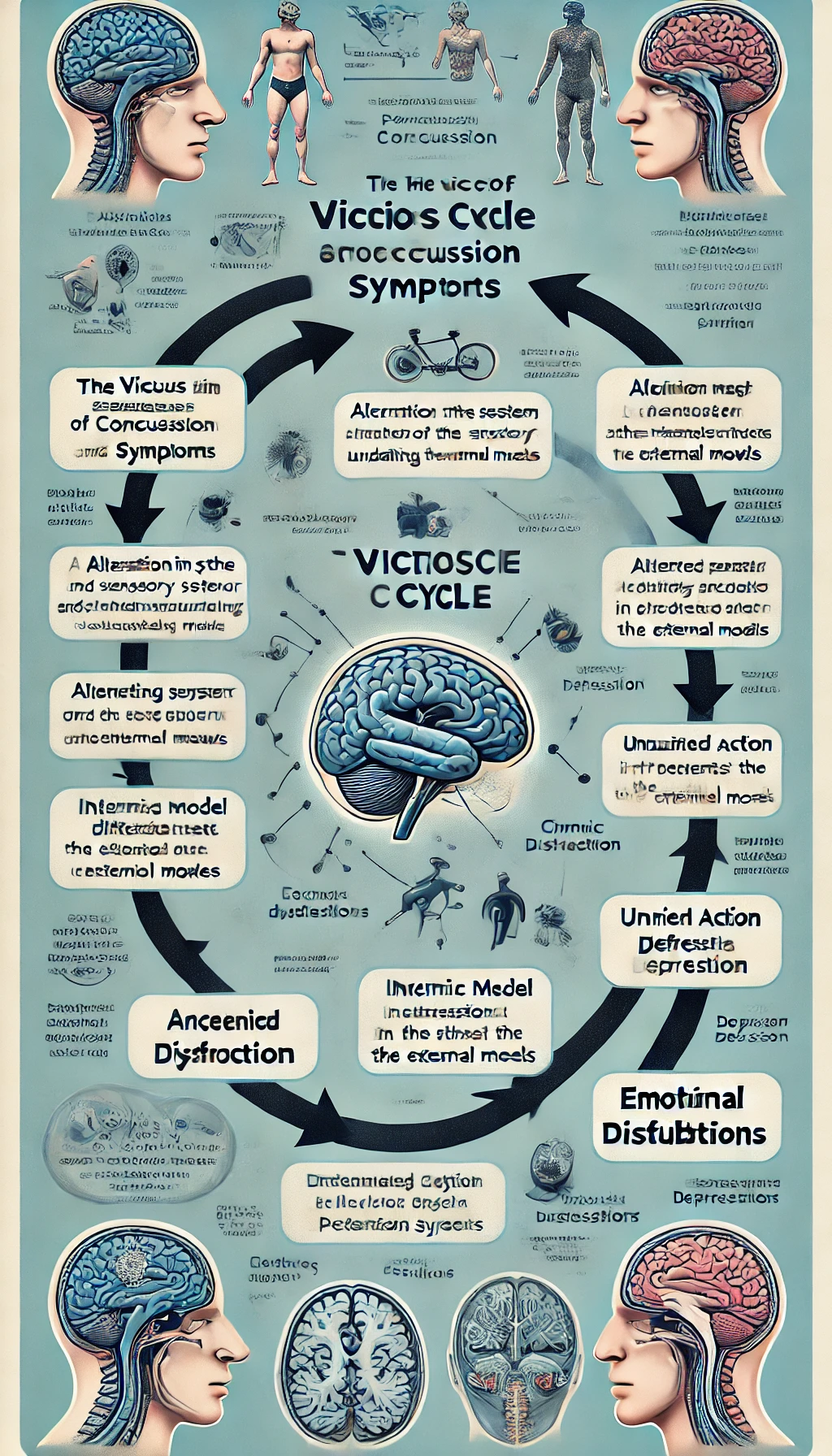
Understanding “Internal Fake News”: The Link Between Concussion, Sensory Alterations, and Emotional Health

Concussions and post-concussion symptoms significantly impact the brain’s ability to process and integrate sensory information, leading to a phenomenon termed “internal fake news.” This occurs when altered sensory perceptions distort internal models, affecting decision-making and leading to a cascade of negative consequences including chronic stress, anxiety, and depression. The cerebellum’s role in integrating multisensory information is crucial for updating these internal models accurately. Disruptions in this process, commonly seen in concussion patients, result in a vicious cycle of emotional disturbances. Early intervention and a multidisciplinary approach are essential for mitigating these effects and supporting recovery.

Understanding “Internal Fake News”: The Link Between Concussion, Sensory Alterations, and Emotional Health Read Post »

Shutterstock 1423084877 Scaled

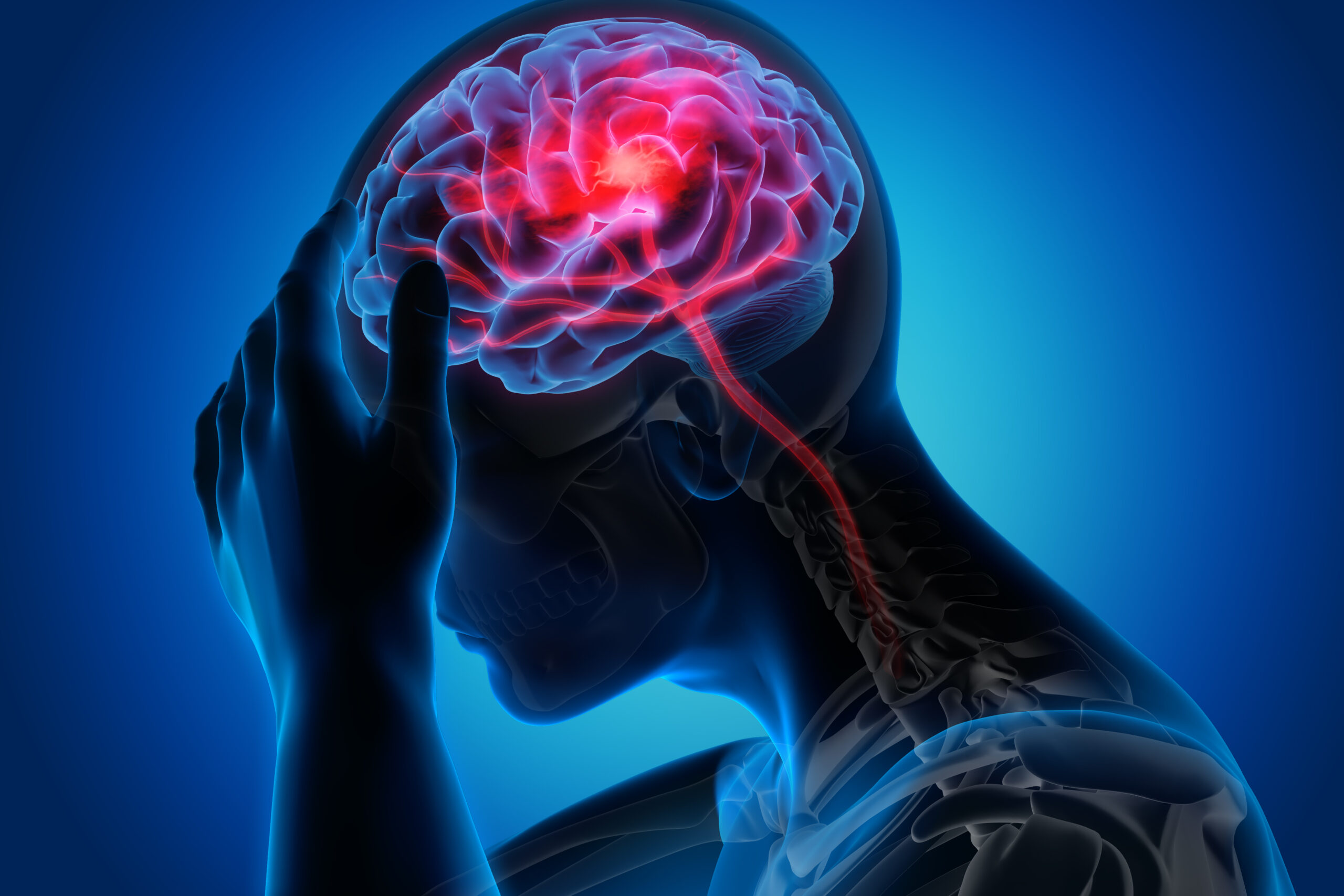
Chronic Cognitive Impairment Following Traumatic Brain Injury: A Closer Look

This article provides a comprehensive analysis of the multifaceted impacts of traumatic brain injury (TBI), with a specific focus on mild traumatic brain injuries (mTBIs) or concussions. It explores the prevalence and characteristics of cognitive impairments post-TBI, delving into the diverse and significant challenges they pose to individuals. The mechanisms and pathophysiology underlying these cognitive impairments are examined, highlighting the complex biochemical, cellular, and physiological changes involved. Furthermore, the article investigates the critical role of personality traits, psychological factors, and social determinants in the recovery and long-term outcomes of TBI. The interplay between these factors underscores the necessity of a holistic approach to TBI treatment and rehabilitation, emphasizing the importance of personalized care. Through this multidisciplinary analysis, the article aims to enhance understanding of TBI impacts, advocate for comprehensive care strategies, and propose directions for future research and policy development to improve the lives of individuals affected by TBI.

Chronic Cognitive Impairment Following Traumatic Brain Injury: A Closer Look Read Post »

Shutterstock 89653558 Scaled

The Recovery Journey from Mild Traumatic Brain Injury

This article delves into the nuanced recovery process from Mild Traumatic Brain Injury (mTBI), detailing the phases from immediate post-injury through long-term adaptation. It emphasizes the variability of recovery trajectories and the comprehensive strategies needed to support healing. The early recovery phase stresses rest and symptom management, while intermediate recovery introduces rehabilitation therapies. Long-term recovery discusses ongoing support for persistent challenges. The critical role of support systems is highlighted, underscoring the importance of emotional, social, and professional resources in fostering resilience and promoting a successful adjustment to life post-mTBI. This guide aims to provide patients and caregivers with a roadmap for navigating the complex recovery landscape, advocating for a patient-centered approach to rehabilitation and reintegration.

The Recovery Journey from Mild Traumatic Brain Injury Read Post »

Scroll to Top