
salivary biomarkers

6e5c27c1 085c 4563 9cd5 E3d00dc3a381

Exploring the Role of Salivary Biomarkers in Mild Traumatic Brain Injury Diagnosis

Abstract:
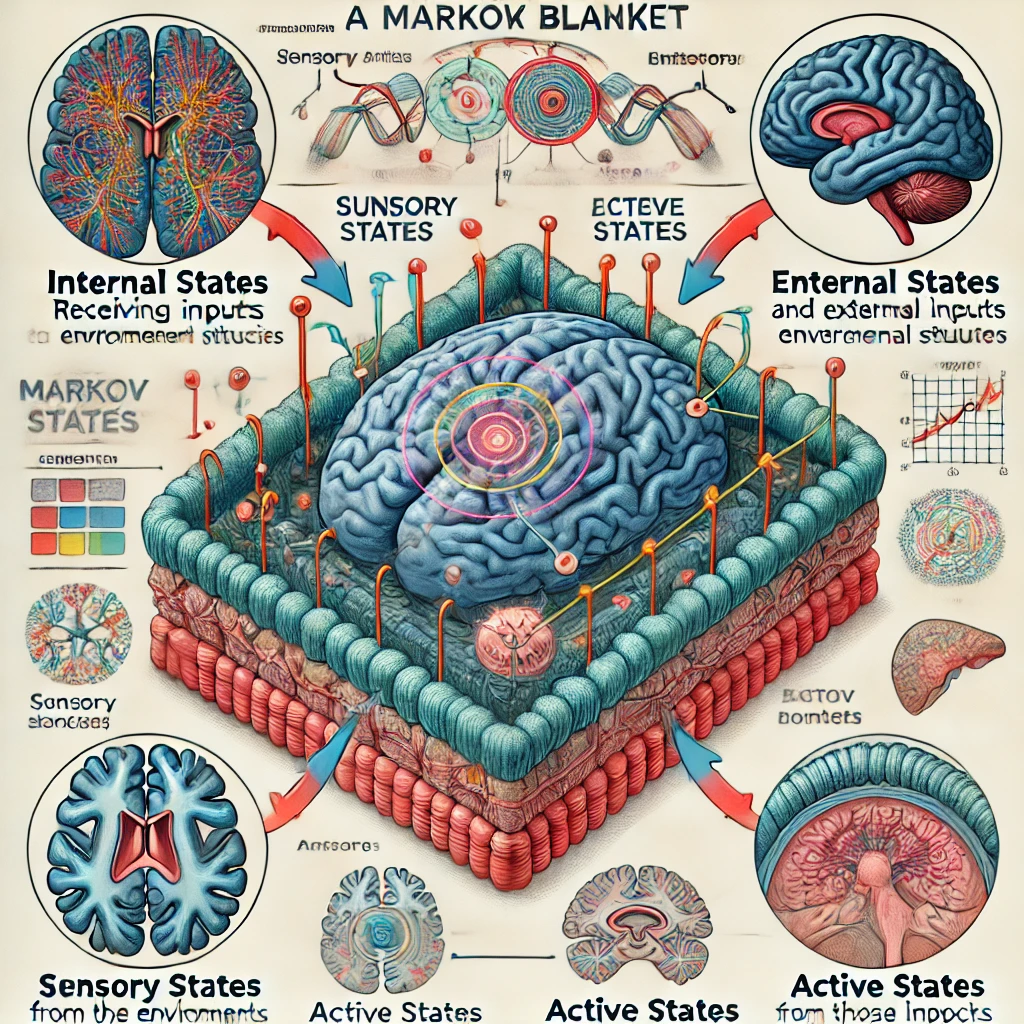
Mild Traumatic Brain Injury (mTBI) is a significant public health concern, with its diagnosis often hindered by subtle symptoms and limitations in traditional testing methods. Salivary biomarkers have emerged as a promising, non-invasive alternative for mTBI diagnosis. These biomarkers, including S100B protein, Neurofilament Light Chain (NfL), microRNAs (miRNAs), and extracellular vesicles (EVs), offer insights into neuroinflammatory processes and neuronal damage. Saliva’s accessibility and ease of collection position it as a cost-effective tool for early diagnosis and monitoring. Despite their potential, challenges such as standardization, biological complexity, and the need for validation persist. Advancements in research, technology, and integration with clinical tools could establish salivary biomarkers as a pivotal component in mTBI assessment, enabling more precise and personalized care.

Exploring the Role of Salivary Biomarkers in Mild Traumatic Brain Injury Diagnosis Read Post »
Shutterstock 620683553 Scaled

Salivary biomarkers in Post-concussion syndrome

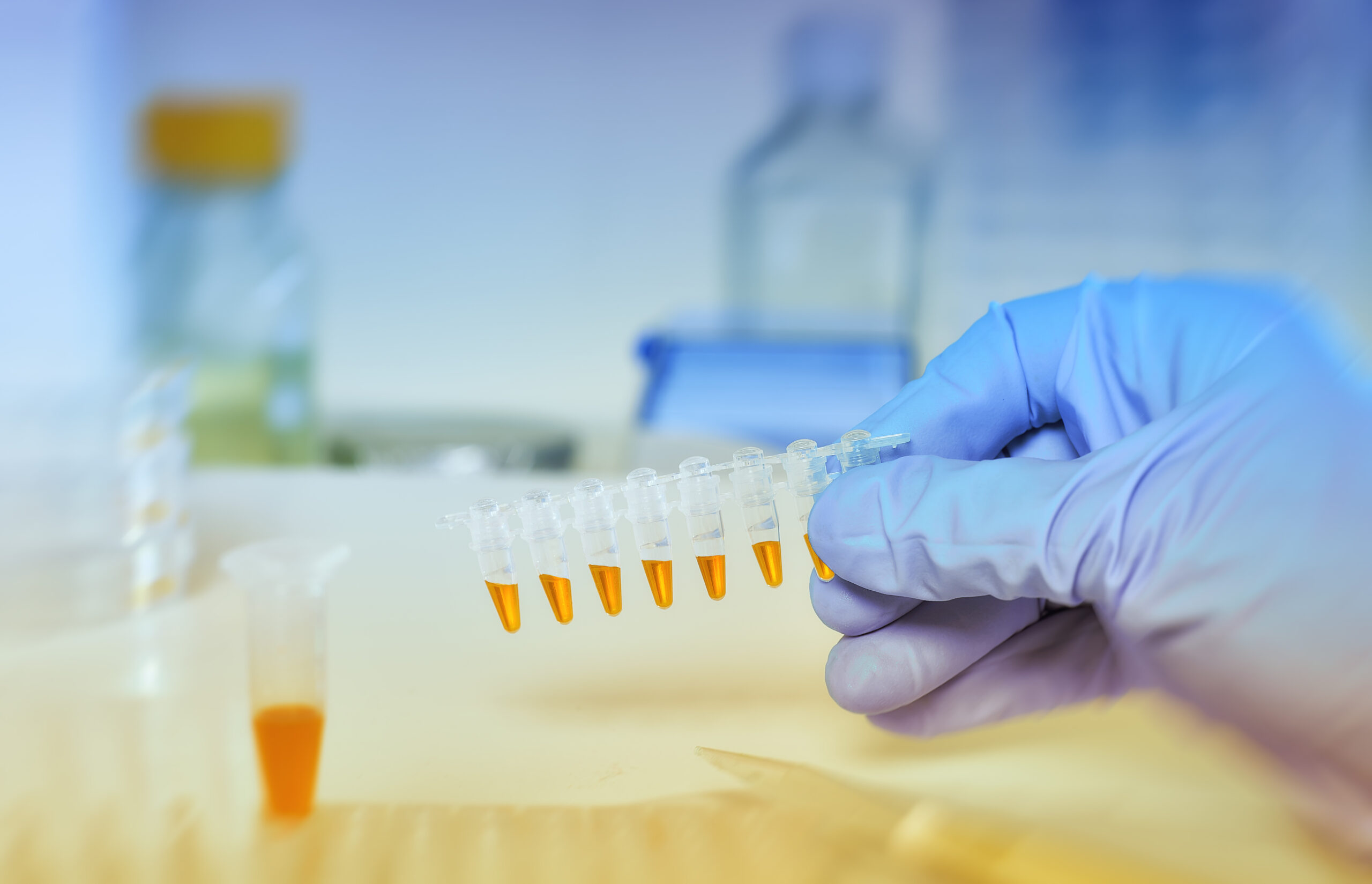
Traumatic brain injuries (TBIs), particularly mild TBIs, present a complex diagnostic challenge due to their subtle manifestations and the broad spectrum of potential long-term consequences, including post-concussion syndrome (PCS) and chronic traumatic encephalopathy (CTE). The search for reliable diagnostic markers has led to the exploration of salivary biomarkers as a non-invasive, cost-effective means of detecting TBIs and assessing their severity. This review examines the role of salivary biomarkers—S100B, Neurofilament Light Chain (NfL), microRNAs (miRNAs), and Extracellular Vesicles (EVs)—in the diagnosis of TBIs and PCS. Elevated levels of S100B are associated with brain damage, suggesting its potential as an indicator of TBI. NfL, a marker of axonal injury, offers insights into the severity of neural damage. Altered miRNA profiles in saliva can reflect changes in gene expression related to neural injury, providing a molecular signature of TBI and PCS. Furthermore, EVs carry a cargo reflective of cellular and molecular changes post-injury, serving as a promising diagnostic tool. This review highlights the emerging significance of these salivary biomarkers in the early detection and management of TBIs, underscoring the need for further research to validate their clinical utility and integrate them into standard diagnostic protocols.

Salivary biomarkers in Post-concussion syndrome Read Post »

Scroll to Top