
Dementia After Traumatic Brain Injury (TBI): Analysis of Mechanisms, Risks, and Future Research
Traumatic brain injury (TBI) is recognized as a major global health concern, with an annual incidence of around 69 million […]
Traumatic brain injury (TBI) is recognized as a major global health concern, with an annual incidence of around 69 million […]

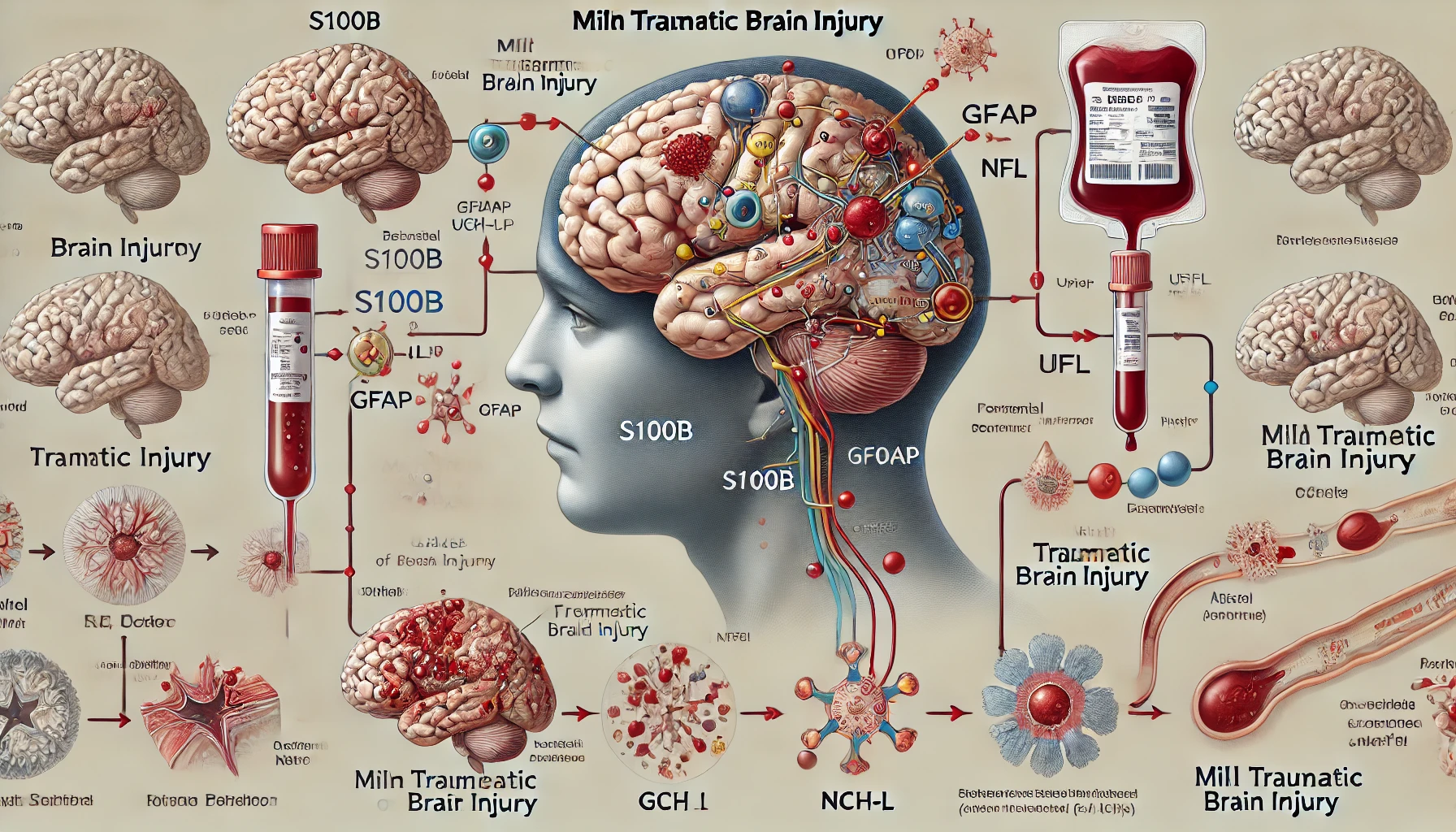
Mild Traumatic Brain Injury (mTBI), commonly referred to as a concussion, has been a growing focus in neurology due to
The Role of the IMPACT Test in Concussion Screening and Treatment Planning Read Post »

Traumatic brain injury (TBI) frequently results in cognitive impairments and asthenia (chronic fatigue), which can severely impact daily life. Recent
Cognitive Recovery After Traumatic Brain Injury: New Approaches for Asthenia Treatment Read Post »
Unlocking the Molecular Secrets of Traumatic Brain Injury: A Path Toward Innovative Diagnostics and Therapies
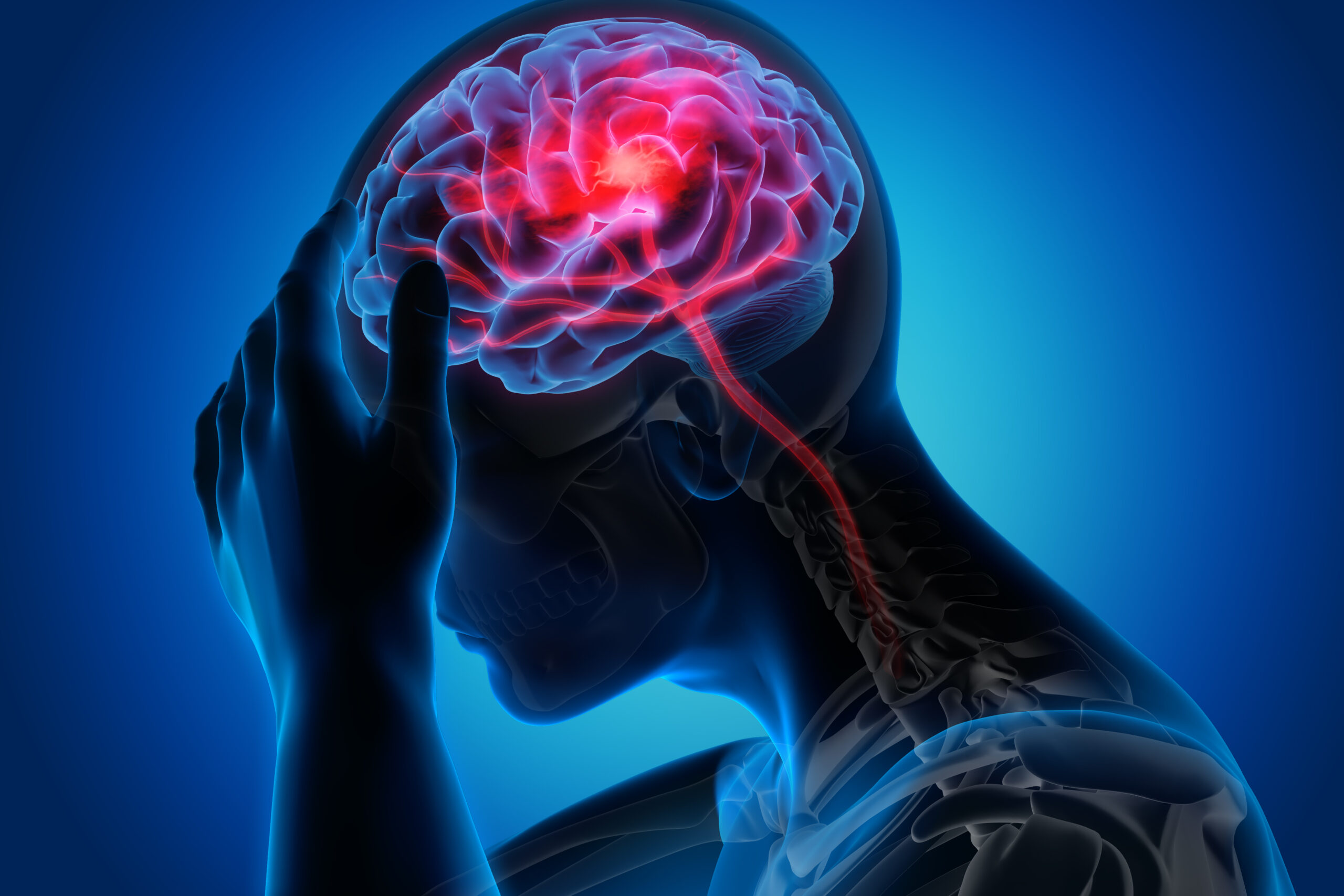
This article provides a comprehensive analysis of the multifaceted impacts of traumatic brain injury (TBI), with a specific focus on mild traumatic brain injuries (mTBIs) or concussions. It explores the prevalence and characteristics of cognitive impairments post-TBI, delving into the diverse and significant challenges they pose to individuals. The mechanisms and pathophysiology underlying these cognitive impairments are examined, highlighting the complex biochemical, cellular, and physiological changes involved. Furthermore, the article investigates the critical role of personality traits, psychological factors, and social determinants in the recovery and long-term outcomes of TBI. The interplay between these factors underscores the necessity of a holistic approach to TBI treatment and rehabilitation, emphasizing the importance of personalized care. Through this multidisciplinary analysis, the article aims to enhance understanding of TBI impacts, advocate for comprehensive care strategies, and propose directions for future research and policy development to improve the lives of individuals affected by TBI.
Chronic Cognitive Impairment Following Traumatic Brain Injury: A Closer Look Read Post »
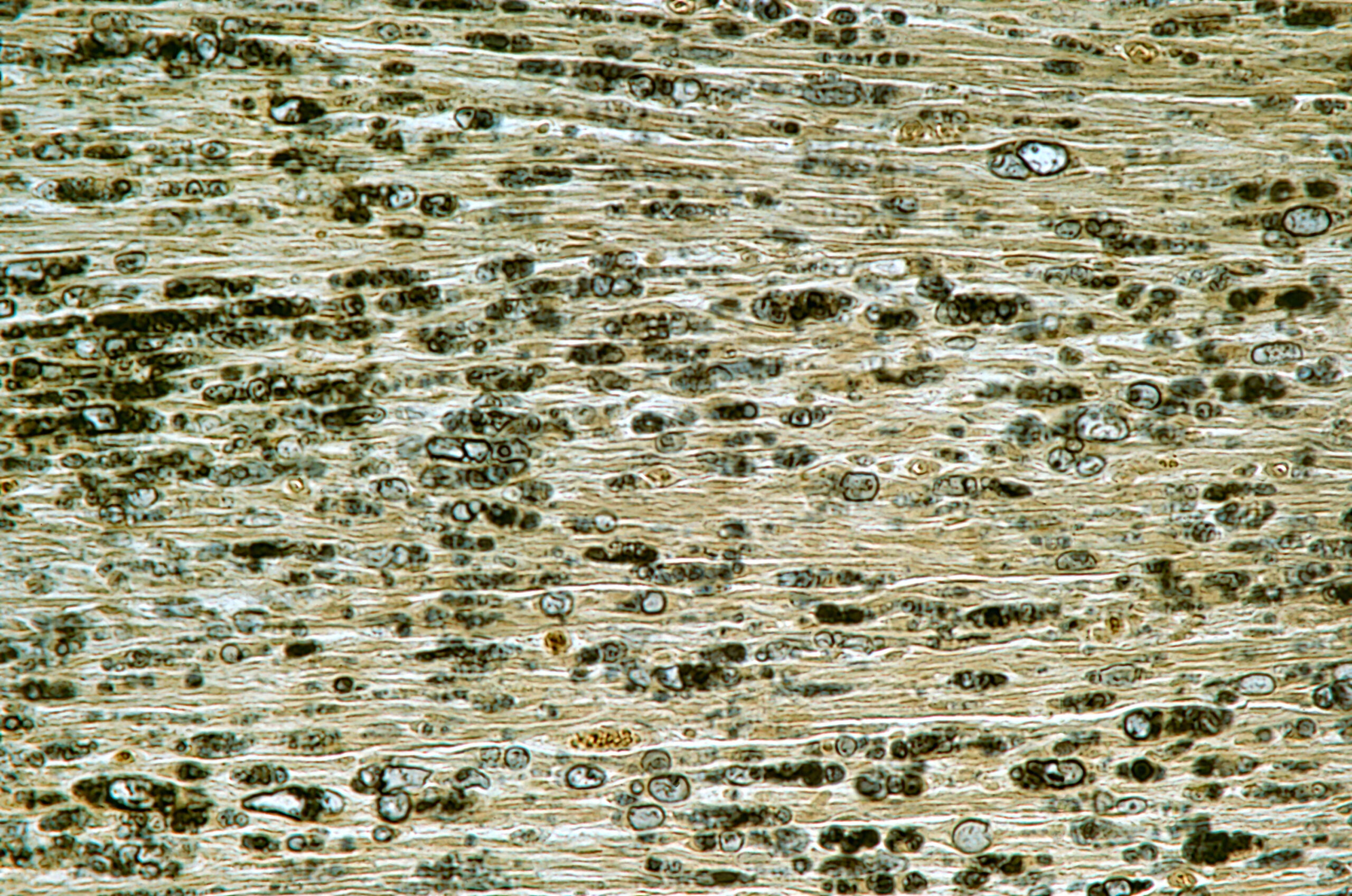
Exploring the intricate relationship between concussion history and brain pathology reveals a complex interplay of symptoms and conditions extending beyond the traditional focus on chronic traumatic encephalopathy (CTE). This overview delves into the multifaceted clinical manifestations and neuropathological outcomes associated with repeated head trauma, highlighting the role of DNA damage and the necessity for a broader diagnostic and therapeutic approach. As research unveils the varied mechanisms underlying concussion-related brain changes, it emphasizes the importance of personalized medicine in addressing the long-term effects of concussions, fostering a deeper understanding that could revolutionize patient care
Brain Pathology in the Context of Concussion History Read Post »
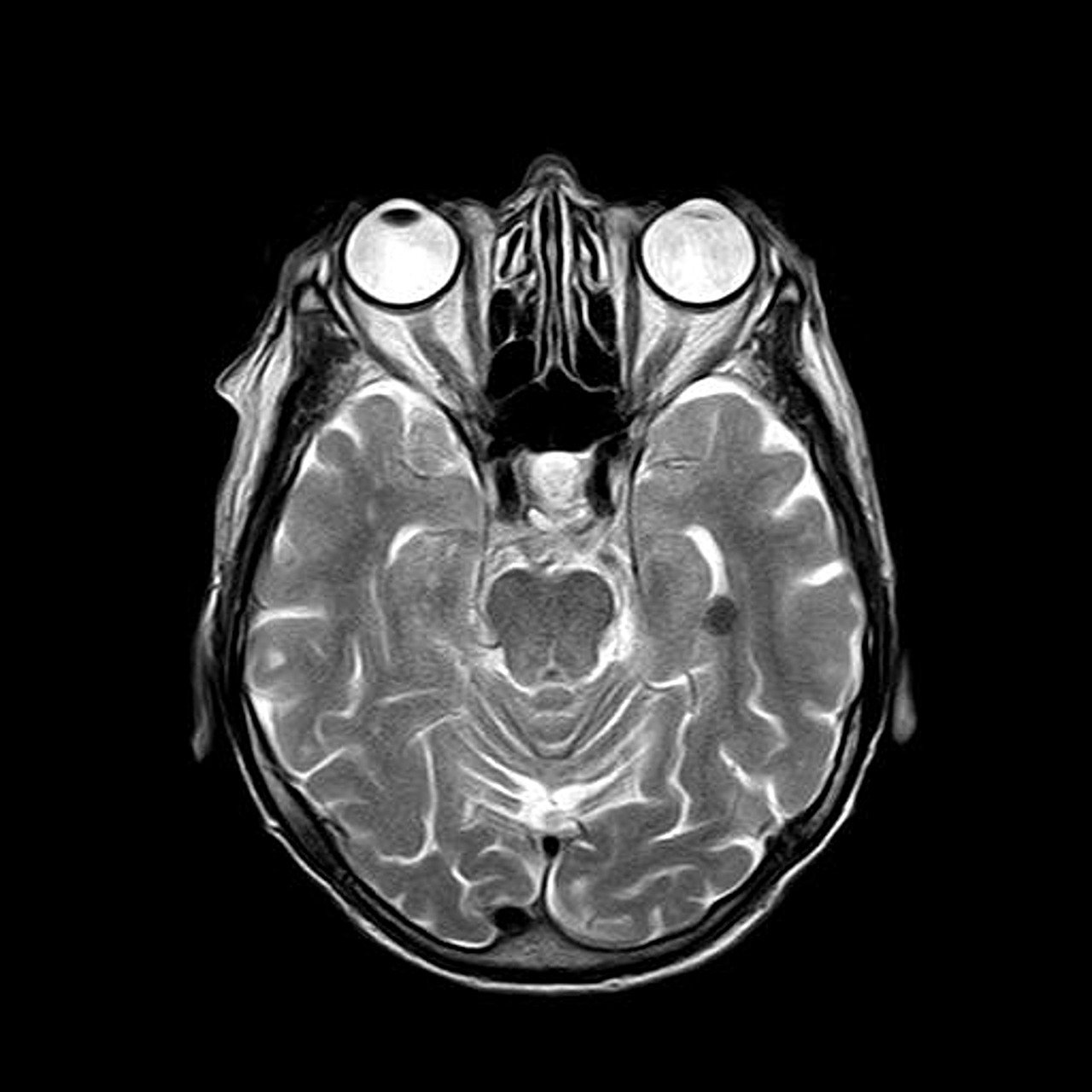
Astrocytes, traditionally viewed as mere support cells, play a pivotal role in the development of post-traumatic epileptogenesis (PTE). They are involved in maintaining ionic homeostasis, the integrity of the blood-brain barrier, neurotransmitter metabolism, and neuronal energy supply. Furthermore, astrocytes are instrumental in modulating neuronal activity, including the exchange of neuronal pyruvate for astrocytic lactate, which enhances neuronal metabolism. They also participate in synaptic information processing by modulating neurotransmitter uptake and release. The activation of astrocytes, a key component of the neuroinflammatory response to traumatic brain injury (TBI), contributes significantly to the pathophysiology of PTE. Astrocytes respond to axonal degeneration, neuronal cell death, and the release of inflammatory factors, which can alter their physiological functioning and impact epileptogenesis. Studies have shown functional changes in astrocytes in epileptic conditions, such as reduced potassium currents and altered gap junction coupling, which are key factors in the development of epilepsy.
Understanding the Pathophysiology of Post-Traumatic Epilepsy Read Post »