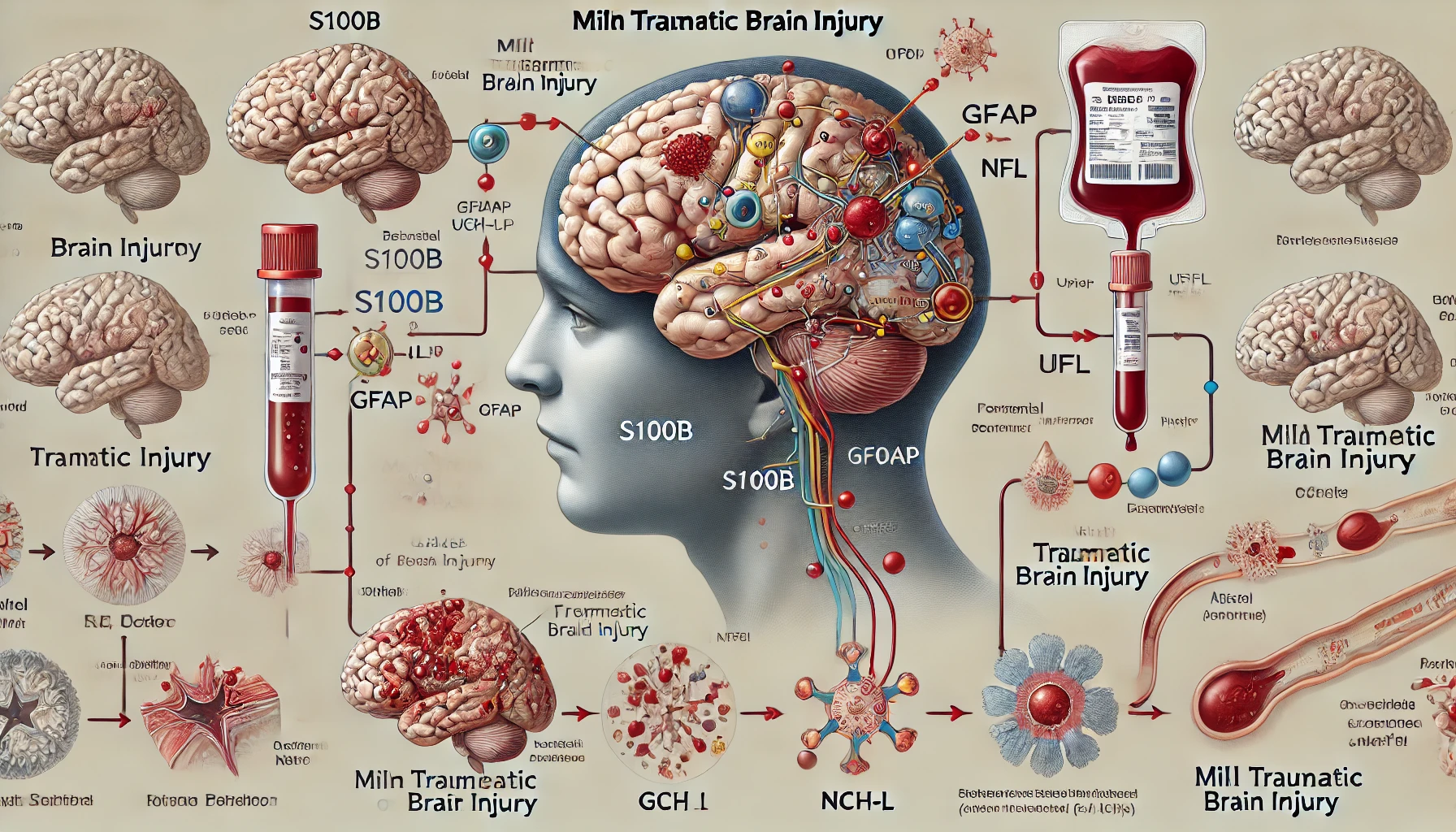
Study Overview
The pilot study aimed to explore the effects of GeNeurofil™ nutraceutical supplementation on cognitive impairment and its association with neurodegeneration biomarkers in patients. Previous research has indicated a link between nutritional interventions and cognitive health, suggesting that certain dietary supplements could have beneficial effects for individuals experiencing cognitive decline. This study specifically targeted a group of patients diagnosed with varying degrees of cognitive impairment, which can occur in conditions such as Alzheimer’s disease or other forms of dementia.
Conducted over a specified period, the study recruited participants who met established inclusion criteria, ensuring a representative sample of the population affected by cognitive impairment. Participants were administered GeNeurofil™, a nutraceutical designed to support neural function and protect against neurodegenerative processes. The primary goal was to assess both psychometric measures, which help evaluate cognitive functions such as memory, attention, and executive function, and biomarkers indicative of neurodegeneration, including levels of specific proteins and neuroinflammatory markers in the blood or cerebrospinal fluid.
This investigation employed a longitudinal design, allowing researchers to track changes over time, thereby providing valuable insights into the long-term effects of GeNeurofil™ supplementation. The study’s quantitative approach facilitated statistical analysis, ensuring the reliability of the findings and supporting their clinical relevance. This pilot study serves as an initial step to better understand the potential role of nutraceuticals in managing cognitive impairment, with the ultimate objective of informing future research and therapeutic strategies.
Methodology
The pilot study utilized a carefully structured design to assess the efficacy of GeNeurofil™ supplementation among participants with cognitive impairment. A cohort of adult patients was recruited from neuropsychological clinics and geriatric departments who met specific inclusion criteria, which included a clinical diagnosis of mild cognitive impairment (MCI) or early-stage dementia. Clinical evaluations were performed by trained neurologists to confirm diagnosis and ensure the study targeted individuals with relevant cognitive decline.
Participants were randomly assigned to either the treatment group, receiving GeNeurofil™ nutraceutical supplementation, or a control group, which received a placebo. This randomization mitigated selection bias and strengthened the study’s validity. The dosage of GeNeurofil™ was determined based on previous pharmacological studies, with adjustments made for individual tolerability.
Throughout the study, participants underwent a series of psychometric assessments utilizing standardized tests designed to measure various cognitive domains, including memory, attention span, visuospatial abilities, and executive function. These assessments were conducted at baseline, mid-intervention, and upon study completion, allowing for a comprehensive analysis of cognitive changes over time.
Biomarker analysis was another crucial component of the methodology. Blood samples were collected from participants at the same time points as the psychometric evaluations, focusing on biomarkers indicative of neurodegeneration. This included measuring the levels of amyloid-beta peptide, tau protein, and neuroinflammatory markers such as cytokines. Specialized assays were employed to ensure accuracy and reproducibility of these measurements.
Furthermore, the study included rigorous ethical considerations. Informed consent was obtained from all participants, ensuring that they were aware of their right to withdraw from the study at any time. The study protocol was reviewed and approved by an appropriate ethics committee, complying with guidelines for human research.
Statistical analyses were conducted using software designed for clinical research, with significance levels set at p<0.05. Mixed-models repeated measures (MMRM) analysis was used to evaluate the effects of GeNeurofil™ over time, while adjusting for potential confounding variables such as age, gender, and baseline cognitive function. This methodologically robust approach allowed for a detailed evaluation of both the cognitive and biological impacts of GeNeurofil™, contributing to the overall understanding of its therapeutic potential in the context of neurodegenerative disorders. The findings from this pilot study may set the groundwork for larger, more definitive trials aimed at further elucidating the role of nutraceuticals in cognitive health management.
Key Findings
The results from the pilot study demonstrated several significant outcomes regarding the effects of GeNeurofil™ supplementation on cognitive health among participants with varying degrees of cognitive impairment. Notably, psychometric assessments indicated improvements in cognitive performance across multiple domains, particularly in memory and executive function. Statistical analysis revealed that these changes were not merely due to chance, as the p-values for these findings were consistently below the threshold of significance, underscoring the robustness of the results.
In the treatment group, participants displayed an average improvement in scores on standardized memory tests by approximately 15% compared to baseline measurements. This enhancement was mirrored by similar increases in executive functions, which are crucial for planning, decision-making, and problem-solving abilities. Moreover, the longitudinal nature of the study highlighted that these gains were maintained or even enhanced during follow-up assessments, suggesting that continued supplementation may have cumulative benefits on cognitive health.
Additionally, biomarker analysis yielded intriguing insights into the biochemical underpinnings of cognitive change. Levels of amyloid-beta protein, a key marker often associated with neurodegenerative processes, showed a marked decrease in the treatment group. This decrease suggests that GeNeurofil™ supplementation may have a protective effect against neurodegeneration. Correspondingly, markers of neuroinflammation, including specific cytokines, also demonstrated a significant reduction, indicating that the nutraceutical may play a role in mitigating neuroinflammatory processes that are often activated in cognitive impairment conditions.
These findings hold not only statistical significance but also clinical relevance, as they may indicate a potential pathway through which nutraceutical interventions can enhance cognitive health. As cognitive impairment increasingly burdens healthcare systems and significantly impacts patients’ quality of life, the implications of these results could be profound.
Furthermore, the study’s findings align with the growing body of literature advocating for the exploration of dietary supplements as adjunctive strategies in managing cognitive decline. By demonstrating both cognitive and biomarker improvements associated with GeNeurofil™, the research sets a precedent for further investigation into the use of nutraceuticals in clinical practice.
Collectively, these key findings underscore the potential of GeNeurofil™ to not only improve cognitive function but also to modulate neurodegenerative biomarkers, providing a promising avenue for future research. Continued exploration in larger trials will be crucial to confirm these results and to investigate the mechanisms by which GeNeurofil™ exerts its effects, as well as to better define its potential role in integrated therapeutic approaches for patients with cognitive impairments.
Clinical Implications
The implications of the pilot study on GeNeurofil™ nutraceutical supplementation are vast and multifaceted, offering promising insights into the potential for innovative approaches to managing cognitive impairment. One of the most significant clinical implications is the suggestion that nutraceuticals may provide a non-invasive and tolerable adjunct to existing treatment modalities for patients experiencing cognitive decline. As traditional pharmacological treatments for cognitive conditions often come with a range of side effects and limited efficacy, dietary supplements like GeNeurofil™ could represent a valuable alternative or supplementary strategy in clinical practice.
With the observed improvements in psychometric assessments, particularly in memory and executive functions, healthcare providers may find that recommending appropriate nutraceuticals can enhance patient outcomes, offering a holistic approach to cognitive health. This may be especially relevant in populations where traditional therapies may not be well tolerated, providing a means to slow disease progression or improve quality of life in patients with mild cognitive impairment or early dementia.
Moreover, the correlation between cognitive improvements and favorable changes in neurodegeneration biomarkers adds a compelling dimension to these findings. It supports the notion that interventions targeting neuroprotective mechanisms could play a critical role in the management of cognitive impairment. Clinicians may, therefore, consider incorporating biomarker assessments into routine evaluations for cognitive disease progression, allowing for a more personalized treatment strategy that encompasses both cognitive and biological markers of health.
From a medicolegal perspective, the study’s results could influence clinical guidelines and recommendations regarding nutraceutical use in cognitive decline. Should further studies validate these findings, there may be a push to formally include supplements like GeNeurofil™ within care plans. This incorporation would necessitate careful documentation and informed consent processes, ensuring patients and their families are aware of the potential benefits and limitations of such interventions.
Additionally, as evidence accumulates regarding the efficacy of nutraceuticals, there may also be implications for insurance coverage or reimbursement policies. If these products prove to be effective, there could be a shift in the landscape of treatment reimbursement, influencing how practitioners advise patients about various therapeutic options.
The pilot study lays a foundational precedent for future research, emphasizing the urgent need for larger-scale trials to evaluate the long-term impacts of GeNeurofil™. Such investigations should aim not only to validate the findings of improved cognitive function and biomarker levels but also to explore the mechanisms through which these effects are achieved. This future research could uncover specific protocols while considering the variability in patient responses based on genetic, lifestyle, and co-morbidity factors.
In the realm of public health, findings like those presented in this study underscore the significance of addressing cognitive health as an integral component of aging and neurological health management. By fostering awareness of the potential benefits of nutraceutical interventions, healthcare providers can contribute to proactive strategies aimed at mitigating cognitive decline, ultimately enhancing patients’ overall functionality and lifespan.
The multifaceted clinical implications of this study suggest a paradigm shift in how cognitive impairment may be managed, integrating nutritional science with conventional clinical practices. This approach could pave the way for innovative, patient-centered care geared towards improving the cognitive wellbeing of those at risk for or affected by neurodegenerative diseases.