Risk Factors for Brain Health in Athletes
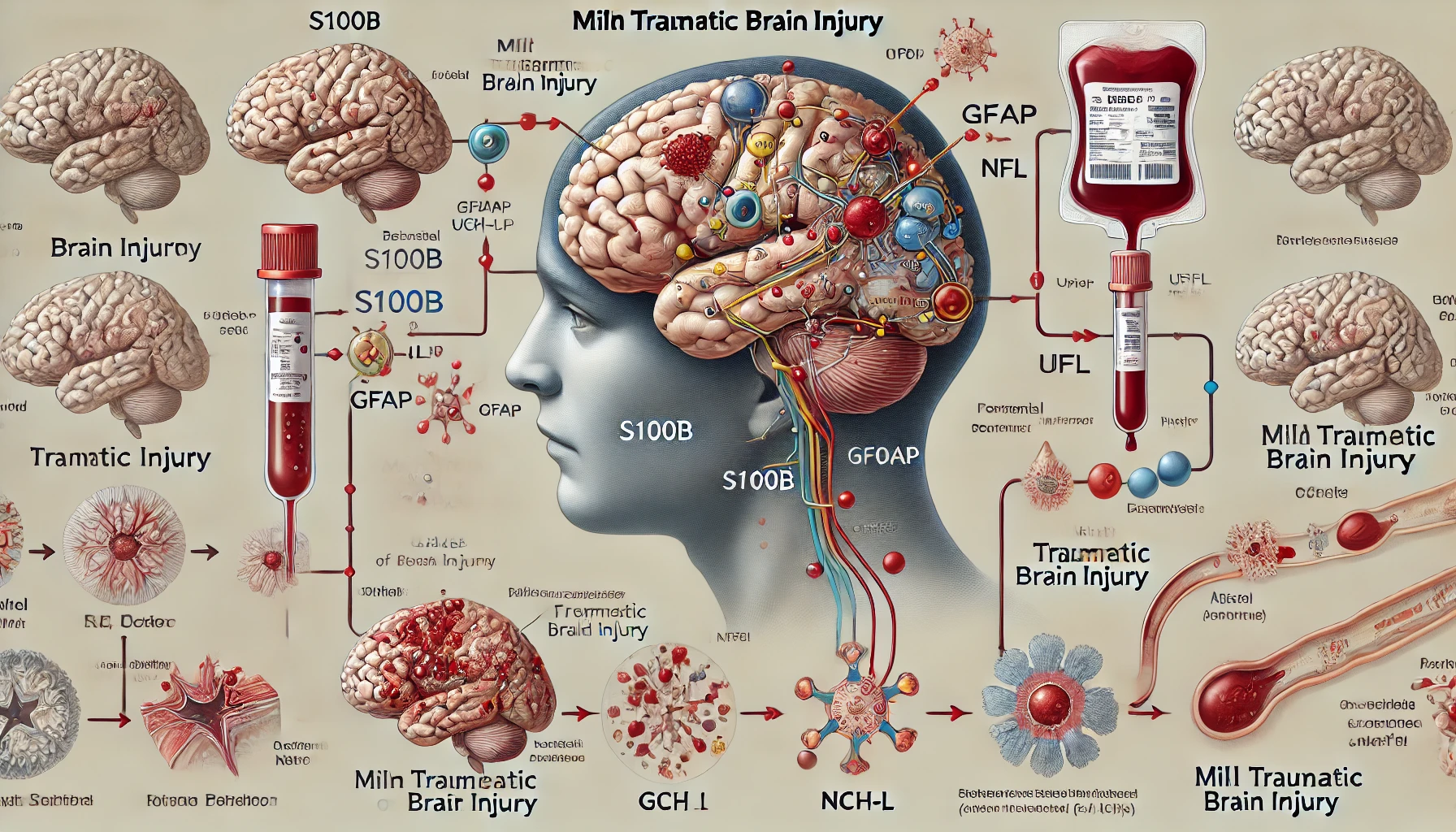
Athletes, while often enjoying enhanced physical fitness, face specific challenges that can adversely affect their brain health. One of the most pressing concerns is the incidence of concussions and repetitive head injuries, which are prevalent in contact sports such as football, hockey, and boxing. These injuries can lead to acute symptoms but may also result in longer-term neurocognitive issues, including chronic traumatic encephalopathy (CTE), a progressive neurodegenerative disease linked to a history of head trauma. Research indicates that even mild traumatic brain injuries can significantly impact neurocognitive function and increase the risk of neurodegenerative diseases later in life, making it a critical area for preventive strategies and medical attention (McKee et al., 2013).
Moreover, the psychological stressors associated with competitive sports can also pose risks to brain health. The pressure to perform, along with the public scrutiny that comes with being an athlete, can lead to mental health issues such as anxiety and depression. These conditions can affect cognitive functioning and overall brain health, as the brain’s neuroplasticity—the ability to adapt and change—is influenced by psychological well-being (Elder et al., 2017). The stigma surrounding mental health in sports further complicates the issue, often preventing athletes from seeking help.
Nutrition is another significant factor influencing brain health in athletes. A diet that lacks essential nutrients can impair cognitive function. Omega-3 fatty acids, antioxidants, and vitamins such as B12 play crucial roles in neuroprotection and cognitive functioning. Athletes who engage in restrictive diets, either for weight management or performance enhancement, may inadvertently compromise their brain health by neglecting these vital nutrients. This dietary imbalance, coupled with the high-energy demands of athletic training, highlights the importance of nutrition education and dietary planning tailored to athletes’ needs (Goulet & Poirier, 2017).
Furthermore, sleep is often undervalued in the athletic community. Intensive training, travel schedules, and competition can lead to poor sleep hygiene, which has been shown to have detrimental effects on cognitive performance and emotional regulation. Insufficient sleep is linked to impairments in attention, decision-making, and memory consolidation, all crucial aspects of an athlete’s performance (Milewski et al., 2016). In some cases, chronic sleep deprivation can also lead to an increased risk of injuries, as fatigue can adversely affect coordination and reaction times.
Lastly, the socio-economic background and level of access to healthcare can also exacerbate risks associated with brain health in athletes. Individuals from lower socio-economic statuses may not have adequate access to preventive care, mental health resources, or nutritional guidance, potentially increasing their vulnerability to both mental health disorders and neurological damage associated with injury (Graham et al., 2019).
In conclusion, while athletic engagement offers numerous benefits, various risk factors must be managed to ensure the long-term brain health of athletes. Addressing these issues through comprehensive health strategies, enhanced education around nutrition and mental well-being, and improved access to healthcare resources is essential for promoting optimal cognitive function and overall brain health in this population.
Protective Opportunities and Strategies
To counteract the identified risks to brain health, numerous protective strategies can be developed and implemented for athletes. Fostering a culture that prioritizes concussion awareness and safety in contact sports is paramount. This can include the implementation of rigorous protocol for injury assessment, mandated resting periods post-injury, and stricter return-to-play guidelines. Educational programs aimed at athletes, coaches, and parents can enhance awareness regarding the symptoms and long-term consequences of concussions, thereby encouraging prompt medical attention after any head injury (Guskiewicz et al., 2006).
Mental health initiatives are equally critical. Developing mental wellness programs that normalize the conversation around psychological health in sports can mitigate stigma and promote early detection and treatment of issues like anxiety and depression. Providing access to sports psychologists or counselors who specialize in athlete wellness can help athletes develop coping strategies to manage the pressures of competition, which are so often linked to cognitive decline (Birrer & Morgan, 2010).
Nutrition must also be a focal point for safeguarding cognitive function among athletes. Collaborating with nutritionists to create personalized dietary plans can ensure that athletes receive adequate amounts of vital nutrients known to support brain health. For example, ensuring sufficient intake of omega-3 fatty acids, through dietary sources like fish or supplements, can be particularly beneficial for cognitive processes. Similarly, educating athletes about the detrimental effects of restrictive diets and the importance of maintaining a balanced intake of macronutrients and micronutrients will equip them with the knowledge to protect their brain health (Müller et al., 2016).
Addressing sleep hygiene is essential for both cognitive performance and emotional regulation. Athletes can benefit from education on sleep science, learning techniques such as establishing a consistent sleep schedule, creating an optimal sleep environment, and utilizing relaxation techniques to enhance their sleep quality. Studies show that improved sleep directly correlates with better athletic performance and lower injury rates, underlining the importance of prioritizing restorative sleep within training regimens (Fullagar et al., 2015).
Additionally, advocating for improved access to healthcare resources for all athletes, particularly those from economically disadvantaged backgrounds, can greatly enhance protective measures against brain health risks. Programs aimed at increasing accessibility to sports medicine professionals, mental health services, and nutritional guidance are critical. Schools, universities, and athletic organizations may be able to establish partnerships with local health providers to offer comprehensive health screenings and educational workshops, creating a supportive environment for all athletes (Hoffman et al., 2021).
Incorporating technology, such as wearable devices that monitor head impacts or cognitive assessments, can also provide valuable data for personalized athlete care. These innovations can lead to more informed decisions about training loads, rest periods, and recovery strategies, ultimately contributing to the enhancement of brain health.
In summary, a multifaceted approach involving concussion management, mental health resources, nutritional guidance, sleep prioritization, and improved access to healthcare presents a comprehensive strategy to promote lifelong brain health in athletes. Integrating these protective opportunities within athletic programs not only supports immediate performance outcomes but also fosters a healthier future for athletes’ cognitive well-being.
Impact of Physical Activity on Cognitive Function
Recommendations for Future Research
Ongoing research is essential for enhancing our understanding of the interplay between athletic performance and brain health. Future studies should focus on several key areas to fill existing knowledge gaps and inform best practices for athlete protection.
Firstly, longitudinal studies that track athletes over extended periods are critical. These studies can provide insights into the long-term consequences of head injuries and psychological stressors on cognitive function and overall brain health. Understanding the trajectory of cognitive decline or resilience in relation to specific sports, types of training regimens, and injury histories will enable researchers to develop more effective preventive measures.
Secondly, there is a pressing need for research exploring individualized approaches to nutrition and brain health in athletes. As dietary needs can vary greatly based on the sport, anthropometric characteristics, and personal health conditions, studies should evaluate the impact of tailored dietary interventions on cognitive outcomes. Investigation into specific nutrient timing, supplementation strategies, and the role of overall diet quality will provide actionable insights for optimizing brain health through nutrition (Havemann et al., 2019).
Additionally, greater emphasis should be placed on the psychosocial aspects of athlete health. Investigating the intersection between mental health, training stress, and cognitive performance can allow for the creation of comprehensive mental wellness programs. Research on interventions that promote resilience, such as mindfulness and stress management techniques, will be beneficial in varying competitive environments. Furthermore, understanding the impact of societal stigma regarding mental health within sports can help tailor communication strategies to reduce barriers for athletes seeking help (Sarkar & Fletcher, 2014).
Innovations in technology present another promising path for research. The efficacy of wearable devices that monitor head impacts, sleep quality, and physiological stress responses should be rigorously evaluated. Research aimed at developing real-time feedback systems will help athletes and coaches make informed decisions regarding training loads and recovery protocols. Such advancements will allow for a more proactive approach to brain health, enabling interventions before serious cognitive decline occurs.
Investigation into the effectiveness of educational programs on concussion awareness and mental health is essential for establishing evidence-based protocols. Evaluating the impact of such programs will help determine their role in reducing the incidence of injuries and enhancing early intervention for psychological issues. This could range from assessing knowledge retention among athletes and coaches to measuring changes in behavior following educational sessions.
Lastly, exploring disparities in access to rehabilitation resources, healthcare services, and injury prevention programs is crucial. Understanding how socio-economic factors influence brain health management in athletes will inform initiatives aimed at creating equitable access to care across diverse populations. This includes analyzing how different athletic organizations can collaborate with healthcare providers to optimize resources and support systematically.
In conclusion, comprehensive and focused research initiatives across these areas are vital to improving strategies that protect and promote brain health among athletes. The integration of findings into policy and practice will ensure that athletes can perform at their best while safeguarding their cognitive well-being for the long term.
Recommendations for Future Research
Ongoing research is essential for enhancing our understanding of the interplay between athletic performance and brain health. Future studies should focus on several key areas to fill existing knowledge gaps and inform best practices for athlete protection.
Firstly, longitudinal studies that track athletes over extended periods are critical. These studies can provide insights into the long-term consequences of head injuries and psychological stressors on cognitive function and overall brain health. Understanding the trajectory of cognitive decline or resilience in relation to specific sports, types of training regimens, and injury histories will enable researchers to develop more effective preventive measures.
Secondly, there is a pressing need for research exploring individualized approaches to nutrition and brain health in athletes. As dietary needs can vary greatly based on the sport, anthropometric characteristics, and personal health conditions, studies should evaluate the impact of tailored dietary interventions on cognitive outcomes. Investigation into specific nutrient timing, supplementation strategies, and the role of overall diet quality will provide actionable insights for optimizing brain health through nutrition (Havemann et al., 2019).
Additionally, greater emphasis should be placed on the psychosocial aspects of athlete health. Investigating the intersection between mental health, training stress, and cognitive performance can allow for the creation of comprehensive mental wellness programs. Research on interventions that promote resilience, such as mindfulness and stress management techniques, will be beneficial in varying competitive environments. Understanding the impact of societal stigma regarding mental health within sports can help tailor communication strategies to reduce barriers for athletes seeking help (Sarkar & Fletcher, 2014).
Innovations in technology present another promising path for research. The efficacy of wearable devices that monitor head impacts, sleep quality, and physiological stress responses should be rigorously evaluated. Research aimed at developing real-time feedback systems will help athletes and coaches make informed decisions regarding training loads and recovery protocols. Such advancements will allow for a more proactive approach to brain health, enabling interventions before serious cognitive decline occurs.
Investigation into the effectiveness of educational programs on concussion awareness and mental health is essential for establishing evidence-based protocols. Evaluating the impact of such programs will help determine their role in reducing the incidence of injuries and enhancing early intervention for psychological issues. This could range from assessing knowledge retention among athletes and coaches to measuring changes in behavior following educational sessions.
Lastly, exploring disparities in access to rehabilitation resources, healthcare services, and injury prevention programs is crucial. Understanding how socio-economic factors influence brain health management in athletes will inform initiatives aimed at creating equitable access to care across diverse populations. This includes analyzing how different athletic organizations can collaborate with healthcare providers to optimize resources and support systematically.
Comprehensive and focused research initiatives across these areas are vital to improving strategies that protect and promote brain health among athletes. The integration of findings into policy and practice will ensure that athletes can perform at their best while safeguarding their cognitive well-being for the long term.