Understanding Neurodegeneration
Neurodegeneration is characterized by the progressive loss of structure and function of neurons, which can lead to various cognitive and functional impairments. This process often underlies conditions that affect mental faculties, including Alzheimer’s disease, Parkinson’s disease, and indeed, post-traumatic dementia. Understanding neurodegenerative processes is critical for developing effective interventions and treatments.
At the cellular level, neurodegeneration involves intricate biological mechanisms that result in neuronal damage. One notable aspect is the accumulation of misfolded proteins, such as tau and amyloid-beta, which can disrupt neuronal function and trigger inflammatory responses. These aberrant proteins form aggregates that are toxic to brain cells, leading to cellular dysfunction, apoptosis, and ultimately, cell death. In the context of post-traumatic dementia, traumatic brain injuries can exacerbate or accelerate these pathogenic processes, increasing the risk for neurodegenerative conditions.
Neuroinflammation plays a pivotal role in neurodegeneration. Following an injury, the brain activates its immune response, which can initially aid in repair but may turn maladaptive over time. Microglia, the resident immune cells in the central nervous system, become activated in response to injury, releasing cytokines and other inflammatory mediators. While this response is meant to clear damaged cells and protect the brain, chronic inflammation can lead to further neuronal damage and contribute to the progression of neurodegenerative diseases.
Oxidative stress is another contributing factor in neurodegeneration. The generation of reactive oxygen species (ROS) increases after neuronal injury and can damage cellular components, including lipids, proteins, and DNA. Notably, the brain is particularly susceptible to oxidative stress due to its high metabolic activity and oxygen consumption. This oxidative damage can initiate a vicious cycle, potentiating neuroinflammation and exacerbating cellular dysfunction.
Clinical implications are significant when it comes to neurodegeneration stemming from traumatic brain injuries. Patients may experience progressive cognitive decline, memory issues, and changes in behavior long after the initial injury. This trajectory calls for early diagnosis and proactive management, including cognitive rehabilitation and addressing psychiatric comorbidities. Furthermore, it has crucial medicolegal implications, as brain injuries can lead to long-term disabilities that impact employability and quality of life. Legal assessments often consider the cognitive and functional outcomes of these injuries, necessitating clear guidelines for evaluating the evidence of neurodegeneration as a result of trauma.
A deeper understanding of the neurodegenerative processes not only illuminates the complexities of conditions like post-traumatic dementia but also guides the development of targeted therapeutic strategies aimed at mitigating these damaging effects and improving patient outcomes.
Mechanisms of Injury
Traumatic brain injuries (TBIs) can induce a cascade of pathophysiological changes that directly contribute to neurodegeneration, particularly in the context of post-traumatic dementia. The initial mechanical injury to the brain may result from various forms of trauma, including concussions, contusions, or more severe brain injuries such as diffuse axonal injury. These incidents disrupt the structural integrity of neuronal cells, leading to immediate cellular damage and an array of secondary injuries that can manifest over time.
One of the principal mechanisms of injury associated with TBIs is the disruption of the axonal transport system. Neurons rely on a meticulously coordinated transport mechanism to move essential materials, such as neurotransmitters and organelles, along their axons. Following trauma, axons can become sheared or stretched, leading to impaired transport and the accumulation of cellular debris. This dysfunction can impair synaptic signaling and contribute to cellular death, thereby exacerbating cognitive decline associated with post-traumatic dementia.
Furthermore, the biomechanical forces experienced during a TBI can produce hemorrhagic events within the brain. The presence of blood in the brain tissue introduces a series of additional challenges, including increased intracranial pressure and the potential for secondary ischemia — where areas of the brain receive insufficient blood supply. The resultant cellular hypoxia can lead to necrosis and apoptosis, processes which are compounded by the inflammatory response initiated by the injury.
Neuroinflammatory responses following injury also exacerbate the damage. Immediately after trauma, the brain’s immune system, consisting of microglia and astrocytes, becomes activated. This inflammatory response aims to repair damage and clear debris; however, in some cases, it can become chronic. Persistent activation of microglia leads to the release of pro-inflammatory cytokines, which create a neurotoxic environment, damaging surrounding healthy neurons and contributing to a cycle of degeneration. This process is particularly detrimental in the case of post-traumatic dementia, as it intensifies the damage inflicted by the initial trauma.
Intriguingly, the repeated trauma associated with multiple TBIs can trigger a process known as chronic traumatic encephalopathy (CTE), characterized by the progressive accumulation of tau protein in the brain. This condition showcases the long-term implications of repeated head injuries and has been observed in athletes exposed to high-impact sports. CTE can present symptoms such as cognitive impairment, mood disorders, and neuropsychiatric issues, further complicating the clinical picture of post-traumatic dementia.
The clinical significance of these mechanisms cannot be overstated. Understanding how TBIs lead to these neurodegenerative processes empowers healthcare practitioners to develop early intervention strategies. For acute injuries, it is vital to monitor and manage symptoms promptly to mitigate long-term consequences. Additionally, from a medicolegal perspective, recognizing the mechanisms of TBI-related injuries is essential for establishing a diagnosis of post-traumatic dementia and identifying appropriate compensation for affected individuals. Litigations related to TBIs often hinge on the understanding of these complex biological mechanisms and their outcomes in terms of cognitive and functional impairments.
The mechanisms surrounding injury from TBIs are multi-faceted, involving immediate physical damage, disrupted cellular communication, the complexities of neuroinflammatory responses, and the long-term proliferation of neurodegenerative processes. Continuous research into these aspects is crucial for enhancing treatment protocols and providing better outcomes for individuals afflicted by post-traumatic dementia.
Impact on Cognitive Function
Future Directions and Research
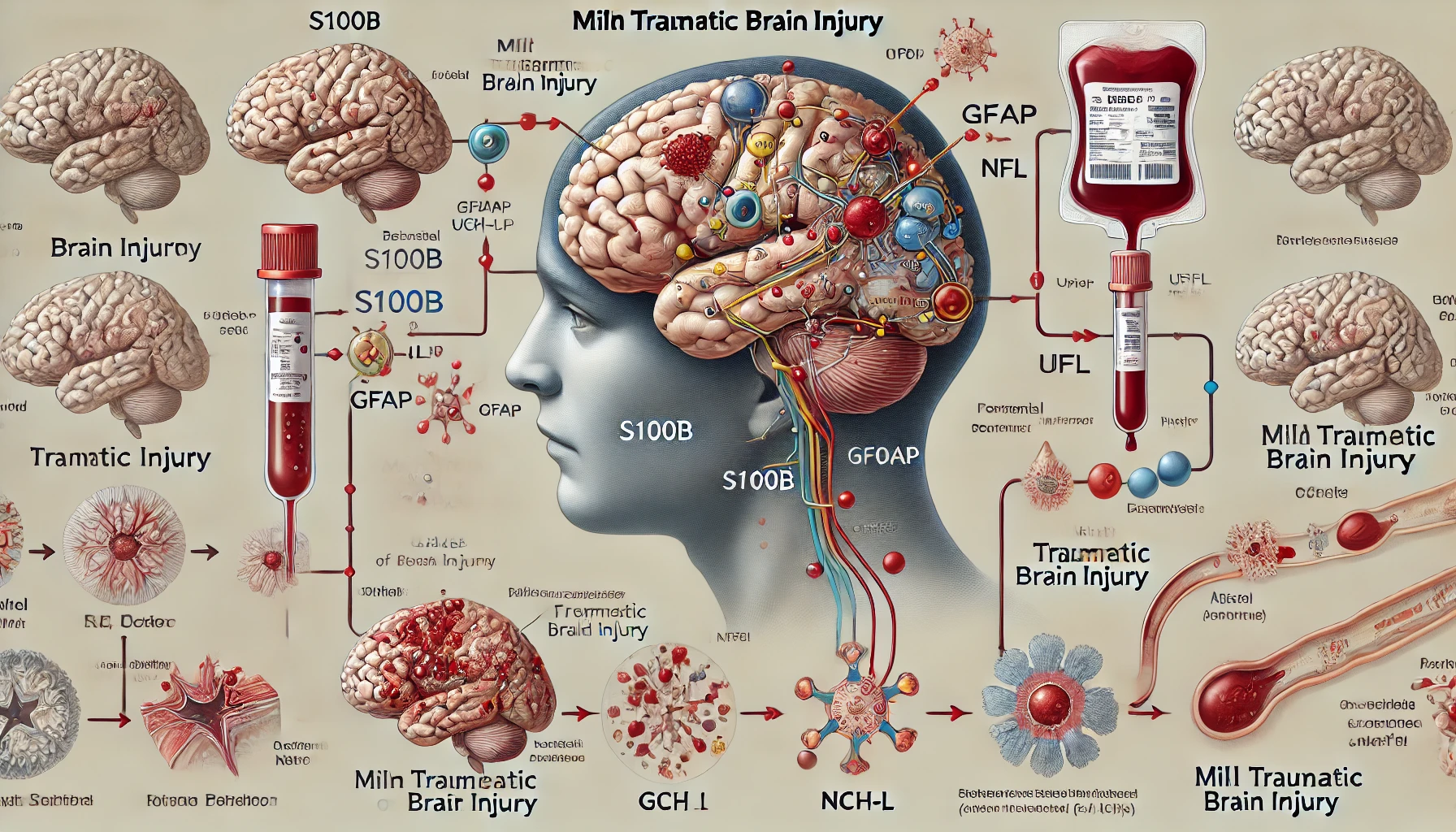
The landscape of research surrounding post-traumatic dementia is evolving rapidly as scientists aim to unravel the complexities associated with traumatic brain injuries (TBIs) and their long-term neurodegenerative impacts. Emerging studies are focusing on identifying biomarkers that could predict the onset of post-traumatic dementia. For instance, the detection of specific proteins and neurofilaments in cerebrospinal fluid or blood may provide insights into the extent of brain injury and the potential for developing neurodegenerative conditions, thus enabling earlier intervention.
Neuromodulation therapies are also gaining traction as potential treatment options for individuals who suffer from neurodegenerative changes following TBIs. Techniques such as transcranial magnetic stimulation (TMS) and deep brain stimulation (DBS) have shown promise in modulating neuronal activity and may aid in the recovery of cognitive deficits associated with post-traumatic dementia. Research exploring the optimal parameters of these interventions, including timing and duration, remains crucial to establish efficacy.
Furthermore, advancements in neuroimaging technologies, such as functional MRI and diffusion tensor imaging, allow researchers to visualize brain changes in real time. These techniques enhance our understanding of altered structural and functional connectivity in patients post-TBI. By mapping these changes, researchers can identify potential therapeutic targets and better stratify patients based on their risk of developing cognitive decline. This level of precision medicine represents a significant step forward in managing post-traumatic dementia.
Preclinical studies investigate the potential of neuroprotective agents that could limit secondary injuries following TBIs. Compounds targeting oxidative stress, inflammation, and excitotoxicity are being evaluated for their ability to safeguard neuronal populations. An exciting avenue of research involves the exploration of anti-inflammatory medications and their role in dampening the chronic neuroinflammatory response that often ensues post-injury. Understanding the therapeutic window during which these interventions are most effective is essential for translating these discoveries into clinical practice.
Moreover, the role of lifestyle factors in contributing to or mitigating the effects of post-traumatic dementia is an emerging area of interest. Investigations into the impact of diet, physical activity, and cognitive training on neural plasticity and recovery after TBIs are ongoing, with the hope that lifestyle modifications could provide adjunctive benefits to traditional therapies.
On a broader scale, advocating for brain health educational initiatives will be critical, particularly in high-risk groups such as athletes and military personnel. Programs designed to increase awareness about the importance of prevention, early detection, and cognitive rehabilitation could reduce the incidence and impact of post-traumatic dementia.
From a medicolegal standpoint, the evolving research landscape holds profound implications. Insights into pathophysiological processes and effective treatment protocols can help shape legal outcomes related to compensation for individuals injured due to negligence or hazardous environments. Understanding the potential future developments in managing post-traumatic dementia will be paramount for lawyers and healthcare providers navigating these challenging cases.
The future of research into post-traumatic dementia appears promising, with significant advancements expected in biomarker development, therapeutic strategies, and lifestyle interventions. These efforts aim not only to improve patient outcomes but also to foster a deeper understanding of the neurodegenerative processes triggered by TBIs, leading to more informed clinical practices and legal assessments.
Future Directions and Research
Ongoing research in the field of post-traumatic dementia is crucial for addressing the profound cognitive impairments associated with traumatic brain injuries (TBIs). Recent advancements have brought about innovative approaches aimed at understanding and mitigating neurodegenerative processes. For instance, scientists are increasingly focused on identifying biomarkers that can serve as early indicators of cognitive decline. Such markers, which may be detected in biofluids like cerebrospinal fluid or blood, could significantly enhance the ability to predict the onset of post-traumatic dementia. By facilitating earlier clinical interventions, these biomarkers have the potential to alter the trajectory of cognitive decline, improving patient outcomes through timely therapeutic strategies.
Neuromodulation therapies represent another promising avenue of exploration. Techniques like transcranial magnetic stimulation (TMS) and deep brain stimulation (DBS) are being investigated for their capacity to modulate neuronal activity and potentially rehabilitate cognitive deficits following TBIs. Research is ongoing to fine-tune the parameters of these treatments, including their timing and duration, to optimize their effectiveness in clinical settings. The goal is to develop protocols that are not only scientifically sound but also practical in everyday neurological practice.
Advancements in neuroimaging techniques such as functional MRI and diffusion tensor imaging are proving invaluable for real-time observation of the brain’s changes. These modalities allow researchers to visualize alterations in brain structure and connectivity shortly after a TBI, offering insights into the ensuing neurodegenerative processes. By pinpointing these specific changes, targeted therapeutic strategies can be developed, and patient populations can be stratified according to their risk of cognitive decline, embodying the principles of precision medicine.
In the realm of pharmacological interventions, preclinical studies are evaluating neuroprotective agents intended to minimize secondary injuries following TBIs. Compounds aimed at addressing oxidative stress, neuroinflammation, and excitotoxicity are under examination for their viability in protecting neurons. An exciting research focus includes exploring anti-inflammatory medications that could mitigate chronic neuroinflammation—the prominent response that may aggravate neurodegenerative outcomes in post-traumatic dementia. Identifying the optimal intervention window for these agents is essential for their future clinical application.
Additionally, there is growing interest in how lifestyle factors may influence the progression or amelioration of post-traumatic dementia. Current investigations are looking at how diet, physical activity, and cognitive training can affect neural plasticity and recovery outcomes in individuals who have suffered TBIs. These lifestyle modifications could serve as complementary strategies to traditional rehabilitative therapies, promoting enhanced recovery and cognitive maintenance.
Educational initiatives aimed at fostering brain health are also gaining traction, particularly for high-risk populations such as athletes and military personnel. Increasing awareness around prevention, early diagnosis, and rehabilitation could lead to a reduction in the prevalence and severity of post-traumatic dementia. Such proactive approaches are vital in protecting brain health, as they encourage informed behaviors and practices that can mitigate the risks associated with TBIs.
From a medicolegal perspective, the current research landscape presents significant implications. A deeper understanding of the pathophysiological mechanisms underlying post-traumatic dementia and the development of effective treatment protocols could greatly influence legal outcomes concerning compensation for those affected by TBIs. Legal professionals, armed with insights into neurodegenerative processes and their management, can make more informed arguments regarding the ramifications of traumatic injuries, ensuring that affected individuals receive the support and resources they need.
As the field continues to evolve, a concerted effort to investigate these various aspects of post-traumatic dementia will contribute to a comprehensive understanding of the condition, ultimately aiming to enhance therapeutic interventions and support for those living with the aftermath of TBIs.