Case Presentation
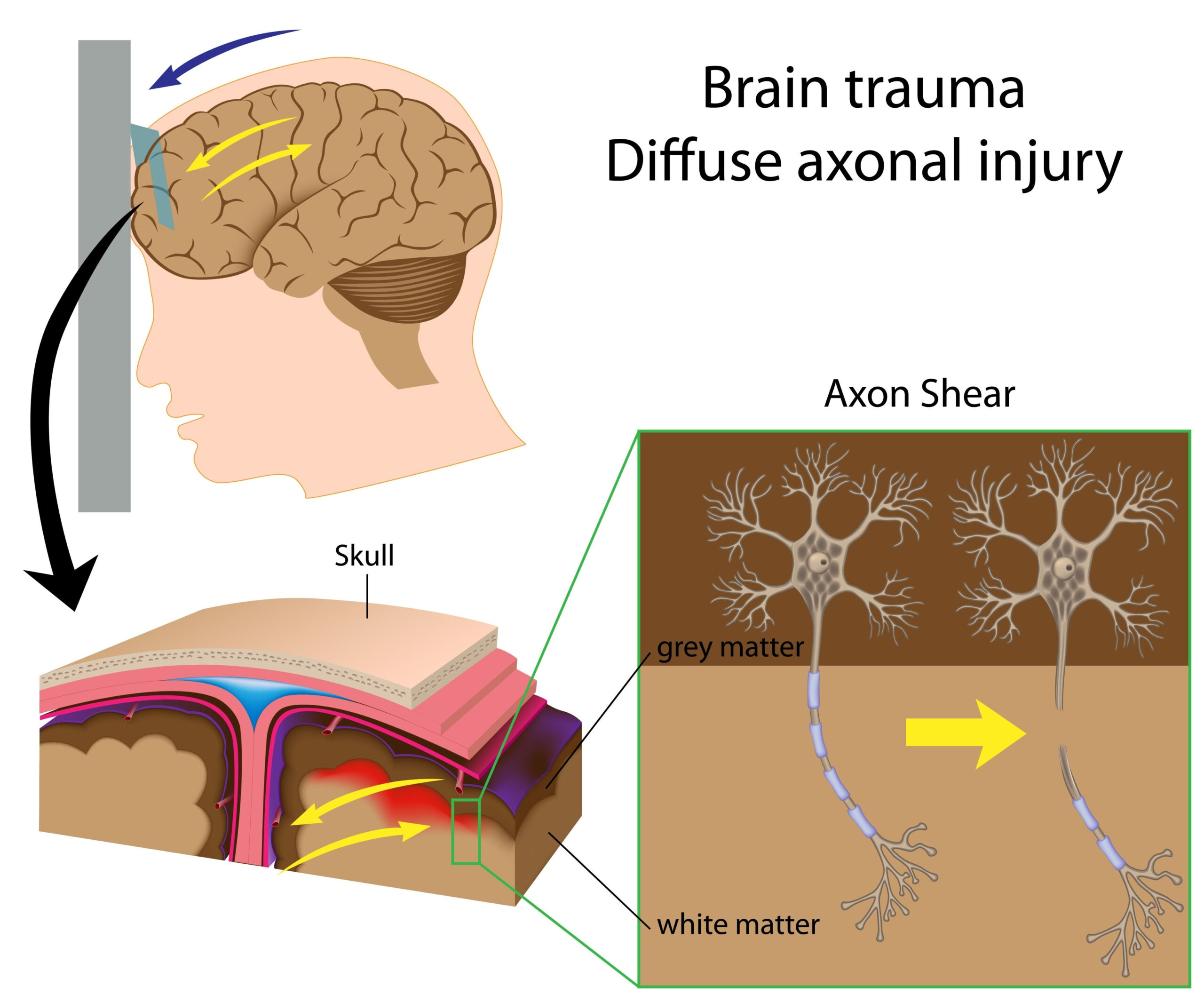
A 58-year-old male patient was admitted to the intensive care unit following a severe traumatic brain injury sustained in a motorcycle accident. On initial assessment, he presented with altered mental status and significant neurological deficits. His vital signs indicated hypotension and marked tachycardia. Upon examination, he was found to be dehydrated with dry mucous membranes, and laboratory tests revealed hypernatremia, which is an elevated sodium level in the blood, alongside hyperglycemia. Notably, the patient’s body mass index prior to the incident was in the obesity range, which is known to predispose individuals to various metabolic disturbances.
Additionally, the patient exhibited signs of adipsic hypernatremia, a condition characterized by a deficiency in thirst response typically due to damage in the hypothalamus region. His medical history included type 2 diabetes mellitus managed with oral hypoglycemics, but post-trauma, he experienced significant hyperglycemia with blood glucose levels exceeding 600 mg/dL. This elevated glucose level contributed to the development of a hyperosmolar hyperglycemic state (HHS), complicating his clinical picture. A thorough physical examination uncovered extensive venous thromboembolism, evidenced by swelling and tenderness in the lower extremities. Imaging studies confirmed multiple deep vein thromboses, which are serious complications in patients with immobilization and hypercoagulable states.
Clinical observations made shortly after admission indicated that the patient’s neurological status continued to decline despite managing his electrolyte imbalances and glucose levels. He remained unresponsive, which necessitated further interventions to stabilize his condition and begin addressing the various complications arising from both the traumatic brain injury and the metabolic disturbances he was facing.
Diagnostic Challenges
The patient’s presentation raised numerous diagnostic complexities. The initial diagnosis of hypernatremia necessitated a careful understanding of its etiology, particularly considering the patient’s adipsic hypernatremia. This condition complicates the typical clinical approach to dehydration, as the usual thirst mechanism is impaired. The lack of physiological thirst drive in the presence of elevated serum sodium levels often leads to unrecognized dehydration, particularly in post-brain injury cases, where hypothalamic damage may occlude the patient’s ability to compensate for fluid loss. This made fluid replacement strategies crucial but challenging, given the dynamic nature of sodium homeostasis and the risk of rapid correction, which could result in cerebral edema.
The coexistence of hyperglycemia and hypernatremia further complicated the diagnosis. The hyperglycemic state raised concerns about the potential for hyperosmolar hyperglycemic state (HHS), characterized by extreme hyperglycemia, osmotic diuresis, and significant dehydration. The differential diagnosis involved the evaluation of possible osmotic demyelination syndrome, especially since aggressive correction of both hypernatremia and hyperglycemia could lead to neurologic deterioration. Consequently, timely and accurate assessment of the patient’s osmolarity was essential. This evaluation required multiple blood samples and careful fluid management, along with close monitoring of the patient’s neurological status.
In assessing the venous thromboembolism, imaging studies such as Doppler ultrasound became paramount for confirming the diagnosis of deep vein thrombosis (DVT). The presence of significant swelling and tenderness in the limbs necessitated urgent imaging to investigate the extent of venous involvement. The risk factors due to the patient’s immobility and a hypercoagulable state, especially following severe trauma, were significant contributors to this complication, further complicating the clinical scenario. The interpretation of imaging results was critical to guiding anticoagulant therapy while managing the balance between preventing thromboembolic events and risk of bleeding, especially considering other injuries sustained by the patient.
Moreover, the management of hyperglycemia posed a challenge, as the patient was not previously insulin-dependent. The abrupt transition to a state of acute insulin resistance, commonly seen in critically ill patients, required a reevaluation of the previously prescribed diabetes management plan. The necessity of intensive insulin therapy, coupled with the patient’s altered metabolic state from both the traumatic brain injury and significant stress response, added layers of complexity to his treatment strategy.
The interplay between neurological damage, metabolic derangements, and thrombotic complications created a multifactorial diagnostic challenge. Each facet demanded immediate attention and a coordinated approach aimed at unraveling the interconnected physiologic changes, ensuring comprehensive care to stabilize the patient and mitigate further complications.
Treatment Approach
In addressing the complex health issues presented by the patient, a multifaceted treatment approach was essential to effectively manage his severe conditions. Initial efforts focused on stabilizing the patient’s hemodynamics, particularly addressing his hypotension and tachycardia. Volume resuscitation was initiated with isotonic saline to restore circulating blood volume. Careful monitoring of serum sodium levels was paramount to avoid rapid correction, as this could precipitate cerebral edema, particularly given the patient’s adipsic hypernatremia.
The management of hypernatremia required a gradual reduction in serum sodium concentrations. Targeted fluid therapy was individualized based on continuous osmolarity assessments. Given that the patient’s thirst mechanism was compromised due to hypothalamic damage, additional measures included administering hypotonic fluids, specifically using 5% dextrose in water (D5W) as well as frequent electrolyte checks to guide fluid volume and type. Intravenous fluids were adjusted based on the ongoing evaluation of the sodium level, ensuring adjustments were both cautious and responsive to the patient’s clinical status.
Simultaneously, the hyperglycemia was addressed through an intensive insulin regimen. The patient was started on a continuous intravenous insulin infusion, carefully titrated to achieve target glucose levels while preventing severe hypoglycemia. Frequent blood glucose monitoring was performed to assess the effectiveness of insulin therapy, and adjustments were made based on glucose trends and the patient’s caloric intake, which was initially difficult due to his altered level of consciousness. Nutritional support through enteral feeding was initiated once the patient’s condition stabilized to provide the necessary caloric intake, considering his diabetes management needed reevaluation in this context.
Management of the hyperosmolar hyperglycemic state required vigilance not only for glucose control but also in addressing potential electrolyte disturbances, particularly potassium, which often falls transiently as insulin drives potassium into the cells. Continuous cardiac monitoring was instituted to assess for any arrhythmias associated with these fluctuations.
For the extensive venous thromboembolism, anticoagulation therapy was a critical component of the treatment protocol. Low-molecular-weight heparin (LMWH) was initiated promptly, given the high risk of thromboembolic events associated with the patient’s immobility and underlying hypercoagulable state. The timing of anticoagulation was carefully considered in relation to the patient’s neurological status and risk of bleeding due to potential brain injury. Regular ultrasound examinations of the limbs were performed to monitor the effectiveness of the anticoagulation therapy and assess for any new thrombotic development.
The combination of treating hypernatremia, hyperglycemia, and hypercoagulability required an interdisciplinary approach involving intensivists, endocrinologists, and hematologists to align on care strategies while regularly updating the patient’s family regarding the progress and any necessary changes in treatment plans. This coordinated effort was crucial, especially given the complexity of the patient’s presentation and the potential for rapid clinical changes, necessitating agile responses to his evolving medical needs.
Outcomes and Follow-Up
Following the implementation of a comprehensive treatment plan, the patient’s condition underwent careful monitoring and evaluation over subsequent days. Initial interventions, including isotonic fluid resuscitation and the initiation of intravenous insulin therapy, facilitated gradual stabilization of serum sodium and glucose levels. The patient’s hypernatremia was effectively managed, with sodium levels decreasing within acceptable limits without rapid shifts that could provoke adverse neurological events. Throughout this phase, serum osmolarity was meticulously monitored to ensure the safety and efficacy of fluid replacement strategies.
Simultaneously, the patient’s hyperglycemia responded favorably to intensive insulin management. Sustained blood glucose monitoring allowed for adjustments in insulin dosage, leading to stabilization of glucose levels within targeted ranges. These metrics presented a significant positive turnaround, contributing to an improvement in the patient’s overall metabolic status. As the glucose levels normalized, the risk of complications associated with the hyperosmolar hyperglycemic state diminished, allowing for a reduction in insulin infusion rates.
Regarding the neurological aspect, the patient’s level of consciousness showed a slow but promising response to treatment. Initial evaluations of neurological status indicated potential improvements, although the timelines for these changes were uncertain given the severity of his traumatic brain injury. The multidisciplinary team closely monitored neurological assessments, which included frequent checks of consciousness and responsiveness. Despite still being in a semi-comatose state during the early intervention phase, there were indications of improved neurological engagement, such as the emergence of sporadic eye opening and localized movement in response to stimuli.
The management of venous thromboembolism proved to be a vital aspect of the treatment regimen. With the initiation of low-molecular-weight heparin, the patient exhibited stable limb circulation, and follow-up imaging via Doppler ultrasound revealed a significant reduction in existing thrombi. The risk of new thrombotic events was mitigated, primarily due to the emphasis on early anticoagulation therapy, which proved critical in the context of his prolonged immobility and the complexities associated with both traumatic brain injury and hypercoagulable states.
During the follow-up phase, the patient’s nutritional needs were also prioritized as part of his recovery strategy. Enteral feeding was carefully managed to ensure adequate caloric intake, necessary for recovery from both acute metabolic derangements and the overall traumatic events sustained. Regular assessments by the nutrition team ensured that his dietary requirements were met, considering the balance needed due to diabetes management.
In addition to monitoring biochemical markers and clinical signs, the family’s engagement in care was a pivotal component. Daily updates conveyed changes to the treatment plan and addressed the family’s concerns, fostering collaboration and support. As the patient made progress in terms of metabolic stabilization and neurological engagement, discussions of rehabilitation prospects began to surface, highlighting an outlined path towards recovery and the potential for adaptive reconditioning services once medically stable.
While the patient faced a daunting array of complications associated with his traumatic brain injury, the coordinated and responsive approach adopted by the healthcare team allowed for significant improvements in both his immediate clinical status and prospects for ongoing recovery. Continuous assessments, multidisciplinary collaboration, and the family’s involvement constituted a holistic care framework aimed at addressing the intricacies of his condition and ensuring the best possible outcomes in the ensuing weeks.