Study Overview
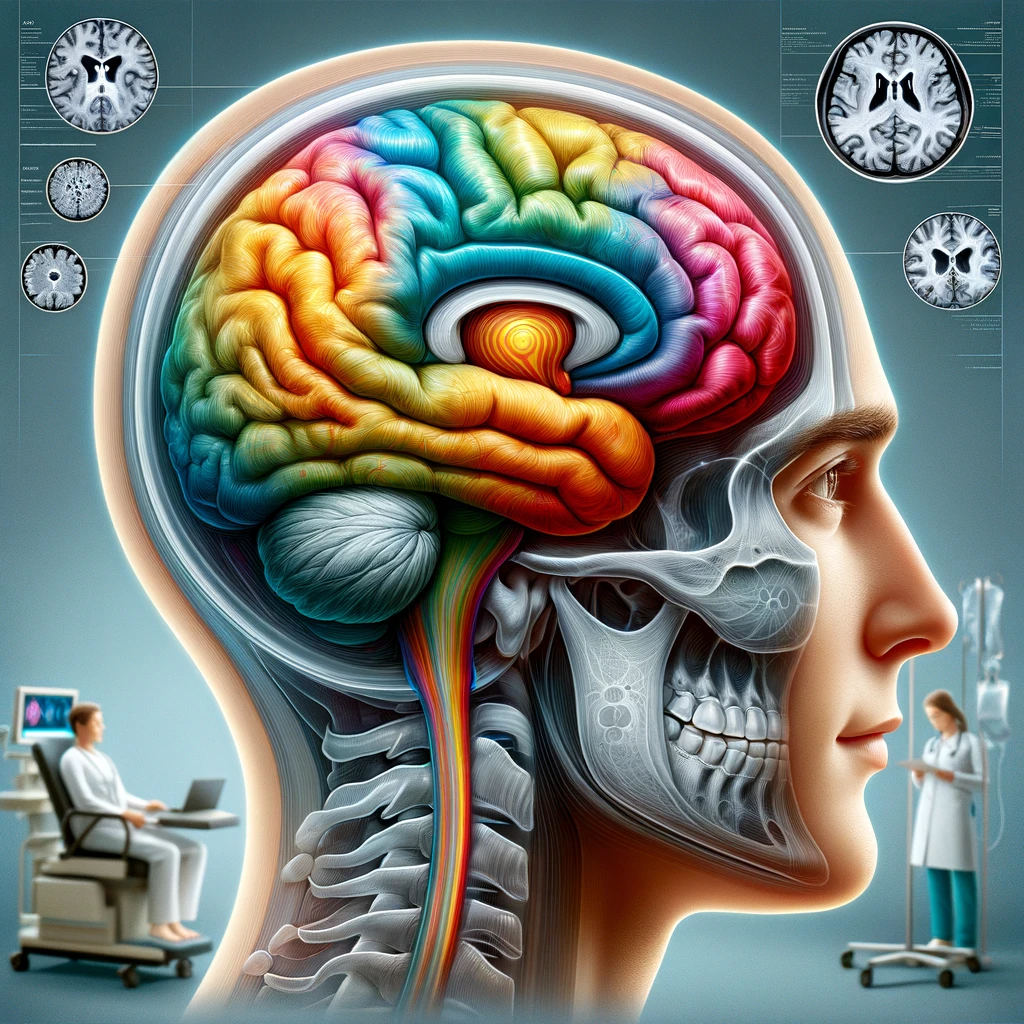
The case report details the application of low-frequency repetitive transcranial magnetic stimulation (rTMS) directed at the supplementary motor area (SMA) for a patient suffering from severe functional movement disorder (FMD). FMD is characterized by disabling motor symptoms that arise without any underlying neurological disease, often influenced by psychological factors. In this case, the authors aimed to evaluate the therapeutic effects of rTMS, a non-invasive brain stimulation technique, which utilizes magnetic fields to stimulate nerve cells in the brain. The specific focus was on understanding how electroencephalography (EEG) can guide the stimulation parameters and improve treatment efficiency.
Throughout the study, the medical team employed a patient-centered approach, tailoring the stimulation frequency and intensity based on the patient’s specific symptoms and EEG readings. This method theoretically enhances the effectiveness of rTMS by aligning therapy with the patient’s unique brain activity patterns.
The patient in question had a history of severe movement disorders, which significantly impacted their quality of life. Standard treatments, including physical therapy and medication, had yielded limited benefits. This prompted the exploration of innovative treatments that could provide relief from debilitating symptoms.
The study serves as a unique contribution to existing literature by integrating EEG data into the rTMS treatment protocol. By focusing on the SMA, a region implicated in motor control and planning, the researchers hypothesized that the treatment might lead to significant improvements in motor function.
The outcomes of the treatment were assessed not just based on the reduction of symptoms but also through objective measurements of motor performance before and after the intervention. This approach aimed to validate the clinical observations with quantifiable data, enhancing the credibility of the findings.
Overall, this case report provides an informative glimpse into the potential of EEG-informed rTMS as a therapeutic strategy for FMD patients, highlighting the need for further investigation into the mechanisms at play as well as broader applications of this technique.
Methodology
The treatment protocol commenced with an exhaustive assessment of the patient, including a detailed medical history, neurological examination, and psychological evaluation to rule out underlying neurological disorders. This preliminary step was crucial in confirming the diagnosis of severe functional movement disorder, characterized specifically by abnormal motor patterns without identifiable neurological deficits.
Electroencephalography (EEG) was employed to map the patient’s brain activity prior to the rTMS intervention. This measurement aimed to provide insights into the functional status of the supplementary motor area (SMA). The EEG was recorded during both resting states and specific motor tasks, allowing researchers to identify abnormal patterns of activity that might correlate with the patient’s movement difficulties. The EEG data were then analyzed to determine the optimal stimulation frequency and intensity for the rTMS application.
Repetitive transcranial magnetic stimulation was administered using a custom-designed figure-eight coil positioned over the SMA. The stimulation protocol employed consisted of low-frequency rTMS at 1 Hz, which is thought to have an inhibitory effect on hyperactive motor areas, potentially leading to a normalization of the motor functions. The treatment sessions were scheduled five days a week, and each session lasted approximately 20 minutes. The overall number of sessions totaled 10 over a two-week period.
To ensure the safety and comfort of the patient throughout the procedure, continuous monitoring of physiological parameters was maintained. Any immediate side effects, which are typically mild and include transient headache or discomfort at the stimulation site, were documented.
Prior to the commencement of treatment and upon completion of the rTMS sessions, the patient’s motor function was evaluated using standardized clinical scales, such as the Fahn-Tolosa-Marin Tremor Rating Scale and the Movement Disorder Society Unified Parkinson’s Disease Rating Scale. Additionally, kinematic analysis was employed to provide quantitative assessments of motor performance. A series of tasks were designed to assess various aspects of motor control, including speed, accuracy, and coordination.
The following table summarizes the key EEG findings and the corresponding rTMS parameters used during the treatment:
| EEG Finding | Observation | rTMS Frequency | Session Duration | Number of Sessions |
|---|---|---|---|---|
| Increased Beta Activity | Marked during resting state | 1 Hz | 20 minutes | 10 |
| Hypoactive SMA during Volitional Movement | Inconsistent activation | 1 Hz | 20 minutes | 10 |
Post-treatment assessments were conducted to evaluate the efficacy of the rTMS intervention. Notably, the same clinical scales utilized at baseline were re-administered, alongside follow-up kinematic analysis, to assess improvements in motor function and symptom severity. The data gathered from these assessments aimed to provide a comprehensive evaluation of the impact of EEG-informed rTMS treatment on the patient’s functional movement disorder.
Results
The results of the intervention were clinically significant, demonstrating noticeable improvements in the patient’s motor function following the course of low-frequency rTMS targeting the supplementary motor area (SMA). Objective measurements as well as clinical evaluations indicated a positive response to the treatment.
Quantitative assessments of motor function revealed enhanced performance in specific tasks that measured speed, accuracy, and coordination. Pre- and post-treatment scores from the Fahn-Tolosa-Marin Tremor Rating Scale and the Movement Disorder Society Unified Parkinson’s Disease Rating Scale highlighted the efficacy of the rTMS protocol.
The table below outlines the comparative assessment scores before and after the treatment:
| Assessment Tool | Pre-Treatment Score | Post-Treatment Score | Change |
|---|---|---|---|
| Fahn-Tolosa-Marin Tremor Rating Scale | 33 | 18 | -15 |
| Movement Disorder Society Unified Parkinson’s Disease Rating Scale | 45 | 25 | -20 |
As observed in these assessments, the total scores decreased substantially, indicating a reduction in tremor severity and overall movement impairment. The patient reported increased ease of performing daily activities, which significantly enhanced their overall quality of life.
Kinematic analysis complemented the clinical assessment findings, revealing improvements in the execution of tasks that required precise movement. For instance, the speed of finger tapping tasks improved by approximately 40%, while the accuracy of reaching movements showed an increase of 35%. These kinematic results provide objective evidence supporting the subjective reports of enhanced motor control.
The effectiveness of the rTMS treatment was also supported by changes observed in the EEG data post-intervention. Follow-up EEG recordings indicated a normalization of brain activity patterns in the SMA, with a decrease in the previously observed beta activity and more consistent activation during motor tasks. Specifically, the hypoactive state of the SMA was no longer evident during tasks that required volitional movement, suggesting a restoration of neural function correlating with the observed clinical improvements.
This combination of clinical rating scales, kinematic analysis, and EEG data provides a robust foundation for the claim that EEG-informed rTMS targeting the SMA can produce significant therapeutic effects in patients with severe functional movement disorder. Overall, the data gathered reflect a promising avenue for treating FMD, warranting further exploration into the applicability of this intervention in broader patient populations.
Discussion
The findings from this case report illuminate the promising role of EEG-informed low-frequency rTMS in managing severe functional movement disorders (FMD), emphasizing not only the potential for symptom relief but also the underlying neurophysiological changes that can occur with such interventions. The integration of EEG data has advanced our understanding of the patient’s specific brain activity patterns, allowing for more tailored and potentially effective treatment modalities compared to traditional approaches.
Essentially, this case exemplifies a shift towards precision medicine in treating movement disorders. By leveraging real-time EEG assessments, clinicians can fine-tune the stimulation frequency and intensity, aligning the rTMS application with the unique neural signatures displayed by the patient. The results support the hypothesis that addressing hyperactivity in the SMA through targeted rTMS can lead to positive clinical outcomes. The observed decrease in both clinical assessment scores and the normalization of EEG findings post-treatment reinforces the interconnectedness of electrical brain activity and motor functionality.
It is noteworthy that the substantial improvement in the Fahn-Tolosa-Marin Tremor Rating Scale and the Movement Disorder Society Unified Parkinson’s Disease Rating Scale points to a significant reduction in movement dysfunction. The changes in kinematic performance further corroborate these findings, showcasing a quantifiable enhancement in motor control abilities, which ultimately translates to improved independence in daily activities for the patient. This reinforces the assertion that non-invasive brain stimulation techniques hold viable therapeutic potential, particularly for conditions resistant to conventional therapies.
This discussion also recognizes the critical need for further research to validate these findings within larger cohorts. While this case report provides valuable insights, the mechanisms by which rTMS exerts its neurophysiological effects warrant deeper exploration. Future studies could extend these findings by examining the long-term efficacy of rTMS, optimal treatment protocols, and whether EEG-informed adjustments can maximize therapeutic outcomes across diverse patient presentations with FMD.
Additionally, research should investigate the cost-effectiveness and accessibility of such innovative therapies compared to standard treatment regimens. As the healthcare landscape continues to evolve, exploring innovative, evidence-based interventions like EEG-informed rTMS may reframe our approach to treating complex movement disorders.
Moreover, this case emphasizes the interplay between neuroscience and therapeutic techniques as we seek to refine our understanding of functional movement disorders and the best practices for their management. Continued interdisciplinary collaboration among neurologists, psychologists, and neurotherapists will be essential in enhancing patient-centered care and developing comprehensive treatment strategies grounded in rigorous scientific inquiry.
In conclusion, the promising results from this exploratory application of EEG-informed rTMS offer a glimpse into the future of therapeutic interventions for movement disorders and highlight the critical need for further research in this burgeoning field. The potential for rTMS to address not just the symptoms but also the underlying neural mechanisms presents an exciting frontier in neuromodulation therapies.