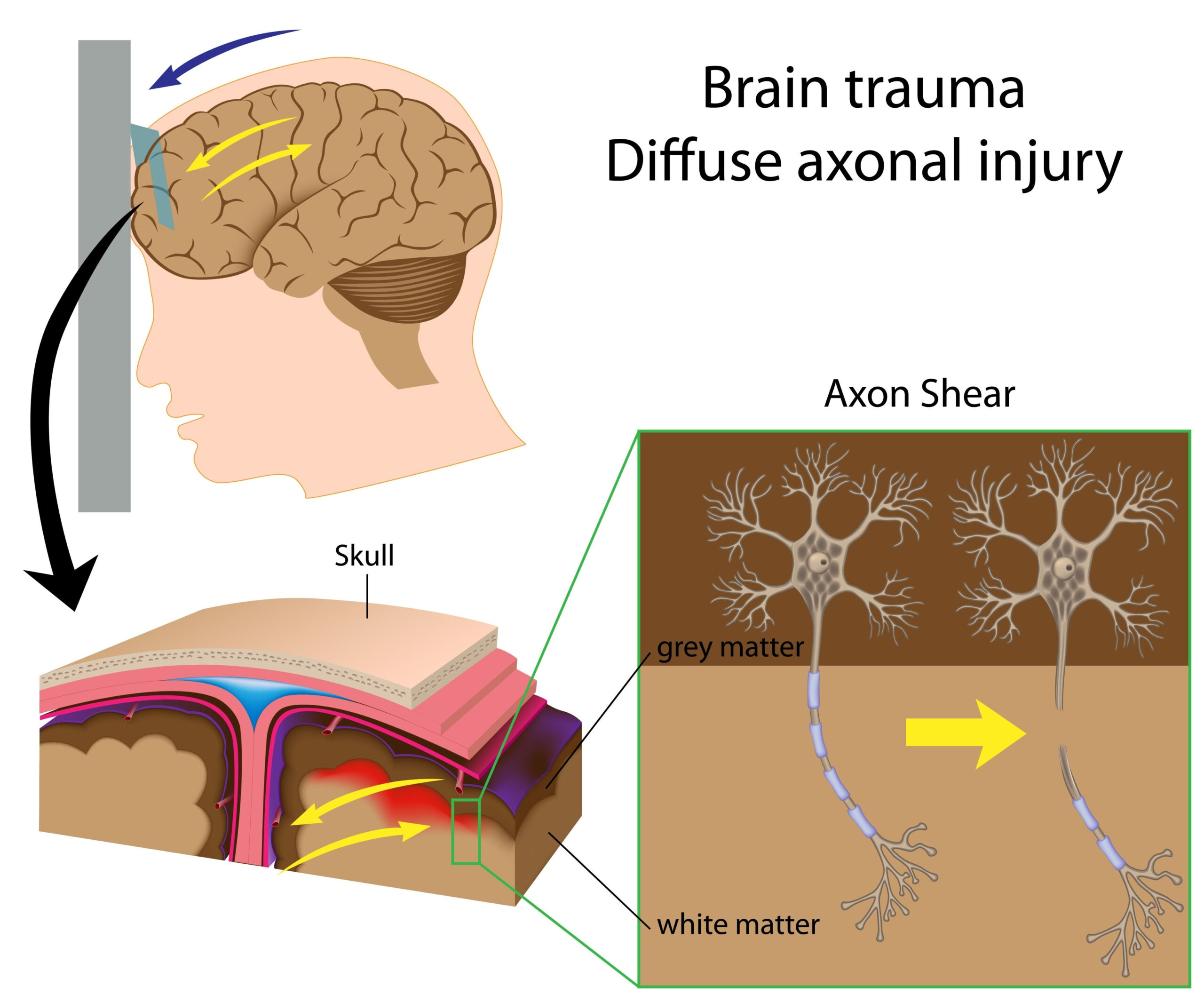
Study Overview
This study investigates the relationship between adrenomedullin, a neuropeptide associated with the regulation of vascular functions and pain, and post-traumatic headache (PTH), which often occurs after a traumatic brain injury. Post-traumatic headache can significantly affect the quality of life, yet the underlying mechanisms remain poorly understood. The objective of this research was to examine whether individuals recovering from a head injury show heightened sensitivity to adrenomedullin compared to individuals without such a history.
Conducted as a randomized crossover study, the research employed a robust design enabling each participant to serve as their own control. Participants were assigned to receive different treatments in a sequential manner, which facilitated a direct comparison of responses to adrenomedullin during episodes of headache and in periods of reported headache-free intervals. This methodological approach enhances the reliability of the findings by accounting for inter-individual variability.
Participants were selected based on their medical history, ensuring they met specific inclusion criteria, which enabled the researchers to focus on those affected by post-traumatic headaches. The study aimed to quantify the sensitivity to adrenomedullin and assess whether this sensitivity correlates with the severity or frequency of headaches experienced by the participants. The outcomes of this research could contribute valuable insights into the pathophysiology of PTH, potentially informing targeted therapeutic approaches and improving overall patient care.
Methodology
The study recruited a cohort of participants divided into two groups: those with post-traumatic headache (PTH) and a matched control group without any history of head injury. Recruitment was conducted through local clinics and medical centers, primarily targeting individuals who had recently experienced a head trauma. Eligibility criteria included: adults aged 18 to 65, a documented history of traumatic brain injury, and the presence of headaches fitting the diagnostic criteria for PTH, as established by the International Classification of Headache Disorders. Exclusion criteria included comorbid neurological disorders, major psychiatric illnesses, or contraindications to any of the study medications.
Each participant underwent a thorough screening process, including neurological examinations and standardized questionnaires to assess headache characteristics, pain intensity, and associated symptoms. This detailed assessment ensured a comprehensive understanding of the participants’ medical histories and the nature of their headaches.
The study incorporated a randomized crossover design, which is particularly effective in reducing variability since each participant experienced both treatment and placebo conditions. Following the initial assessment, participants were randomly assigned to receive either an infusion of adrenomedullin or a placebo. The treatments were administered in separate sessions, separated by a washout period to minimize carryover effects. During each session, participants were monitored closely for physiological responses and side effects, ensuring safety and ethical oversight.
Infusions were precisely administered using an infusion pump, allowing for controlled delivery of adrenomedullin at a fixed dose established through prior studies demonstrating efficacy in modulating pain pathways. The primary outcome measure was the change in headache intensity, assessed using a validated numerical rating scale. Participants rated their pain levels at baseline and at several intervals following the infusion, enabling researchers to gauge both immediate and prolonged effects.
In addition to subjective pain assessments, objective measures were obtained by recording vital signs and monitoring changes in vascular response through ultrasound assessment of blood flow dynamics in the carotid artery. This multimodal approach provided a comprehensive view of how adrenomedullin influenced both subjective pain experiences and objective physiological responses.
Statistical analyses included paired tests to compare the responses between the adrenomedullin and placebo conditions within individuals and between groups. The findings were calculated using a significance level of p < 0.05, with adjustments made for multiple comparisons to ensure the robustness of the results. Through these meticulously designed methodologies, the study aimed to illuminate the potential role of adrenomedullin in the pathophysiology of post-traumatic headache and assess the underlying hypersensitivity that may contribute to the condition.
Key Findings
The results of the study revealed a pronounced difference in sensitivity to adrenomedullin between participants with post-traumatic headache (PTH) and those in the control group. Those affected by PTH displayed significantly elevated pain responses following adrenomedullin infusions compared to the placebo. Initial data indicated that, following administration of adrenomedullin, participants reported a marked increase in headache intensity, often more than 30% higher than baseline measures. In contrast, participants without a history of head injury experienced minimal alterations in pain perception, suggesting a distinct hypersensitivity among the PTH group.
The comparative analysis between the two groups illustrated that participants with PTH not only exhibited heightened pain ratings but also reported prolonged headache duration following adrenomedullin exposure. The control group, conversely, did not report significant changes in headache characteristics, indicating that their pain pathways remained relatively unaltered by the neuropeptide. This stark contrast in responses underscores the potential role of adrenomedullin in modulating pain, particularly in individuals with a history of traumatic brain injury.
Moreover, objective assessments collected via ultrasound showed changes in vascular dynamics, which correlated with subjective pain experiences. Individuals with PTH had increased blood flow responses in cranial vasculature after adrenomedullin administration, an observation not replicated in the control group. This vascular response aligns with the known functions of adrenomedullin, which has vasoactive properties implicated in migraine and other headache disorders.
Statistical analyses confirmed the significance of these findings. The data indicated a strong correlation between the intensity of pain reported and the degree of vascular response among the PTH participants. Specifically, changes in blood flow metrics post-infusion served as predictive markers for headache severity, suggesting a physiological basis for the observed hypersensitivity to adrenomedullin.
Additionally, the study documented that the neutralization of adrenomedullin’s effects via placebo treatment resulted in no increase in headache intensity or associated symptoms. This finding further solidifies the notion that the heightened response observed in the PTH cohort is indeed linked to their unique neurochemical milieu influenced by prior head trauma.
These key findings not only contribute to the understanding of post-traumatic headache mechanisms but also highlight potential avenues for therapeutic interventions targeting adrenomedullin to alleviate pain in affected individuals. By elucidating the pathways through which adrenomedullin operates, the research opens the door for more tailored treatments aiming at modulating neuropeptide responses, ultimately enhancing patient outcomes.
Clinical Implications
The findings from this study have substantial ramifications for the management and treatment of post-traumatic headache (PTH). The demonstrated hypersensitivity to adrenomedullin in individuals with a history of traumatic brain injury highlights a potentially critical pathway that could be targeted for therapeutic intervention. Since adrenomedullin appears to exacerbate headache pain in these patients, future treatment strategies could benefit from considering adrenomedullin modulation as a viable therapeutic target.
Understanding the neurochemical landscape associated with PTH is essential for developing effective pain management protocols. The elevated pain responses observed after adrenomedullin administration suggest that patients recovering from head trauma may require tailored approaches that address not only conventional pain relief but also the underlying neuropeptide interactions. For instance, therapies that aim to block or neutralize the effects of adrenomedullin could provide relief and lead to improved quality of life for these patients.
Moreover, the clear correlation between the intensity of headache and vascular response, as indicated by ultrasound assessments, suggests that monitoring vascular dynamics may help in predicting and managing headache severity. Clinicians could implement objective measurements of blood flow changes as a biomarker to assess the effectiveness of potential treatments targeting the adrenomedullin pathway. Such an approach could help personalize strategies, ensuring that patients receive the most effective care tailored to their specific physiological responses.
Additionally, the study’s results encourage a broader view of post-traumatic headache management within clinical settings. Increasing awareness of the distinct characteristics of PTH compared to other headache disorders can lead to improved diagnostic and treatment frameworks. By recognizing that individual pain responses may vary significantly based on prior trauma and related neurochemical sensitivities, healthcare providers can enhance their approaches to patient assessment and intervention.
Furthermore, this research underscores the importance of interdisciplinary collaboration in headache management. Neurologists, pain specialists, and researchers should work closely to explore the clinical applications of these findings in real-world settings, paving the way for innovation in pain management strategies for individuals with PTH.
Ultimately, the insights gained from this study not only enhance the understanding of post-traumatic headache mechanisms but also hold promise for revolutionizing treatment paradigms. By effectively targeting the pathways influenced by adrenomedullin, future clinical practices can more adequately address the complexities of pain in patients with a history of head trauma, leading to better long-term outcomes and improved patient experiences.