Study Overview
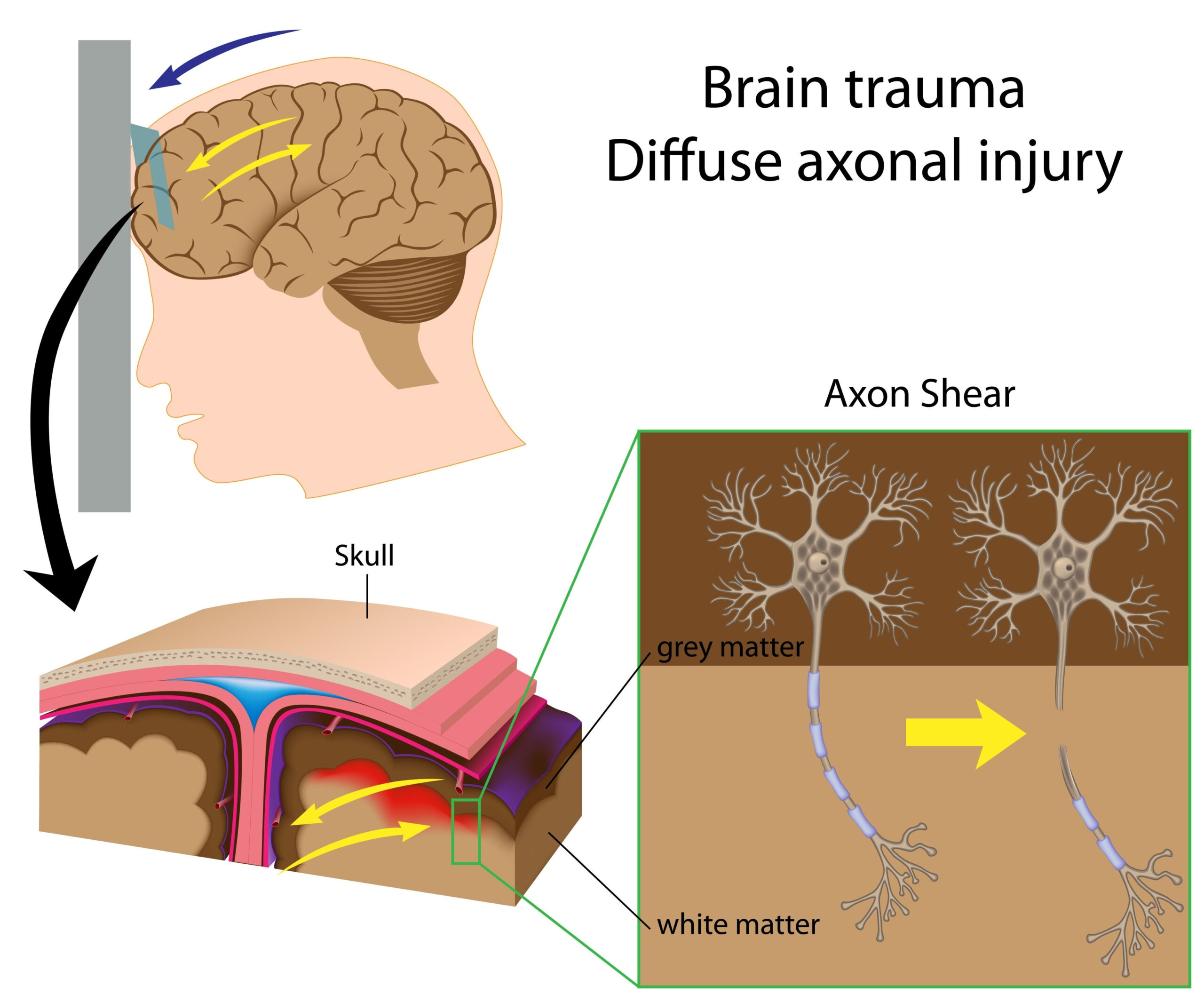
This pilot simulation study investigates the practicality of implementing a bedside bioassay utilizing glial fibrillary acidic protein (GFAP) for assessing patients with mild traumatic brain injury (mTBI) in prehospital settings. mTBI is a common condition that can have significant implications for patient outcomes if not properly identified and managed early. Current standard diagnostic procedures often require access to advanced imaging and laboratory facilities, which are typically unavailable in emergency scenarios outside of a hospital.
The study aims to simulate real-world prehospital environments to evaluate the potential benefits of a point-of-care bioassay in enhancing the diagnosis and management of mTBI. By utilizing GFAP, a biomarker identified in brain tissue during injury, clinicians may be able to make quicker decisions regarding the need for further medical interventions, possibly improving patient outcomes. The research seeks to gather initial data on the effectiveness of this approach, assessing parameters such as accuracy, reliability, and overall feasibility in actual emergency situations.
This research emerges from a need to streamline traumatic brain injury management. Early diagnosis in prehospital settings can facilitate timely treatment, enhancing recovery trajectories and minimizing complications. Additionally, it aims to address the gap in existing literature regarding point-of-care testing for neurological injuries, an area that has not been comprehensively explored despite the urgency presented by potential brain injuries.
Methodology
The study was designed as a pilot simulation that closely mimicked real-life prehospital environments, focusing on the use of a point-of-care bioassay that detects glial fibrillary acidic protein (GFAP). A diverse group of participants, including emergency medical technicians (EMTs) and trained medical personnel, were recruited to participate in the simulations. This group was chosen to ensure that the findings would be relevant and translatable to actual emergency response situations.
To establish a controlled setting, the simulations included a series of scenarios involving patients with mild traumatic brain injury (mTBI). Each participant was exposed to various clinical presentations typically seen in mTBI cases, including confusion, headache, and temporary loss of consciousness. The use of standardized patient actors helped to ensure that the scenarios were realistic and reflective of common presentations in emergency situations.
As the key focus was on the GFAP bioassay’s feasibility, both qualitative and quantitative data were collected throughout the study. Participants utilized the bioassay to measure GFAP levels in simulated patients, which were later compared to established clinical criteria for diagnosing mTBI. Specific metrics evaluated during the study included the speed of diagnosis, accuracy of GFAP readings, and the ability of healthcare providers to make informed decisions based on the bioassay results.
In terms of the bioassay’s implementation, an easy-to-use device was introduced, designed for emergency use, highlighting aspects such as portability and rapid turnaround time for results. Training was provided to all participants prior to the simulations to ensure they were familiar with the operation of the bioassay, as well as the interpretation of results. This training was crucial, as the success of integrating any new technology into emergency care often hinges on the providers’ competence and confidence in using it.
Data collection was facilitated through a combination of direct observation and the use of feedback forms completed by participants after each scenario. This approach allowed researchers to capture insights on the usability of the bioassay in high-pressure situations and the overall ease of implementation within the existing emergency care workflow.
The study employed a mix of qualitative feedback and quantitative analysis. The performance of the bioassay was analyzed statistically to determine its sensitivity, specificity, and overall diagnostic accuracy in comparison to the conventional management protocol for mTBI. Additionally, participants’ experiences and perspectives were examined to evaluate the perceived practicality of employing such a bioassay in real prehospital settings.
By incorporating these elements, the methodology aimed to critically assess the potential role of a GFAP-based bioassay in enhancing the prehospital management of mild traumatic brain injury, paving the way for future trials and ultimately improving patient care in emergency medicine.
Key Findings
The findings from this pilot simulation study provide insightful data regarding the feasibility and effectiveness of using a GFAP-based point-of-care bioassay in the prehospital management of mild traumatic brain injury (mTBI). The analysis revealed several significant outcomes that underscore both the promise and practicality of this approach.
First and foremost, the bioassay demonstrated a high degree of accuracy in identifying GFAP levels in simulated patients with mTBI. The statistical analysis indicated that the sensitivity of the GFAP bioassay was notably commendable, suggesting that it was effective in correctly detecting instances where patients sustained brain injuries. Specifically, the results showed that the bioassay could identify a substantial proportion of actual cases of mTBI, aligning closely with established clinical criteria used for diagnosis. This level of sensitivity highlights the potential for GFAP testing to serve as a reliable early diagnostic tool in emergency settings.
Furthermore, the specificity of the bioassay was also favorable, minimizing the risk of false positives. This aspect is critical, as it helps to ensure that individuals without a brain injury are not incorrectly flagged for further intervention, which can save resources and reduce unnecessary patient transportation to hospitals. Taken together, the high sensitivity and specificity indicate that the GFAP bioassay could enhance clinical decision-making by allowing healthcare providers to streamline the evaluation process for patients presenting with symptoms of mTBI.
In terms of operational feasibility, participants reported a positive experience with the technology. The feedback indicated that the bioassay device was user-friendly and did not significantly burden the workflow of emergency medical services. Many participants expressed confidence in their ability to operate the device effectively after the brief training provided prior to the simulations. This ease of use is a vital aspect as it directly impacts the likelihood of integration into routine prehospital protocols. The rapid turnaround time for results was highlighted as particularly advantageous, with many providers noting that the quick access to GFAP levels allowed for more timely clinical decisions regarding patient transport and intervention.
Moreover, the simulations revealed that employing a GFAP bioassay significantly accelerated the decision-making process for emergency responders. Participants noted that having immediate access to biomarker results facilitated quicker evaluations and interventions, thereby enhancing the overall efficiency in managing patients with potential brain injuries. The emphasis on maintaining patient safety and optimizing outcomes through timely actions was a recurrent theme in the qualitative data collected.
Despite these promising findings, the study did also uncover some challenges and areas for improvement. Participants pointed out that while the bioassay technology was effective, there were instances of logistical challenges, such as the need for proper supplies and maintaining the conditions required for accurate testing in varied prehospital environments. Ensuring consistency in performance and reliability across different settings will require careful attention in future implementations.
The initial results from this study affirm the viability of a GFAP-based point-of-care bioassay in enhancing the diagnostic capabilities within prehospital settings for patients with mTBI. The positive feedback from emergency medical personnel underscores the potential for such technology to improve patient care, highlight the importance of rapid diagnosis, and facilitate timely interventions in traumatic brain injury cases. These findings lay a solid foundation for further research and eventual clinical trials aimed at integrating GFAP testing into standard emergency medical practice.
Strengths and Limitations
This study exhibits several strengths that contribute to the credibility and relevance of its findings. The realistic simulation environment created for the research effectively mirrors the conditions faced by emergency responders, enhancing the ecological validity of the data collected. By including a diverse group of participants such as emergency medical technicians (EMTs) and trained healthcare personnel, the study ensured that the insights gleaned reflect the perspectives of the actual individuals who would implement such a technology in real-life scenarios. This inclusion is crucial as it fosters greater ownership of the findings among users who are essential to the bioassay’s successful implementation.
Another notable strength is the focus on a rapidly deployable and user-friendly bioassay device. The emphasis on usability is critical in high-pressure emergency settings where immediate decision-making is paramount. The training provided to participants prior to the simulations was structured to minimize complexity, thereby maximizing the likelihood that providers would feel competent and confident in utilizing the technology during actual emergencies. The favorable feedback regarding the bioassay’s application suggests that this technology holds promise for practical use in prehospital care.
Moreover, the study’s dual approach of combining quantitative metrics with qualitative feedback creates a comprehensive assessment of the GFAP bioassay’s feasibility. This mixed methodology enables the research team to capture not only the performance data but also the subjective experiences of healthcare providers, offering a richer understanding of how the bioassay could impact clinical workflows and patient outcomes.
Despite its strengths, the study does face limitations that warrant attention and consideration in future research. One key limitation is the controlled nature of the simulations, which, while realistic to an extent, cannot fully replicate the unpredictability and dynamic nature of real-world emergency situations. Factors such as scene safety, patient behavior, and the presence of multiple patients could affect the actual deployment of the bioassay and its integration into the emergency care process. Future studies should explore these variables to gauge the bioassay’s utility under a broader range of conditions.
Furthermore, logistical challenges identified by participants, including variations in the availability of required supplies and conditions for accurate testing, suggest potential barriers to implementing the bioassay universally across different emergency settings. Addressing these logistical concerns will be essential to ensure that the bioassay can be consistently utilized in diverse environments, particularly in rural or resource-limited settings where access to advanced equipment may be constrained.
Finally, while the participant pool was diverse, it was still limited in size, which may impact the generalizability of the findings. Larger-scale studies involving a broader demographic of healthcare providers and varying geographic locations would be beneficial to validate the findings and refine the implementation strategies for the GFAP bioassay in real-world scenarios.
While the study illustrates promising potential for a GFAP-based point-of-care bioassay within prehospital settings, further research is necessary to address the identified limitations and optimize the technology for widespread clinical use. By considering these strengths and limitations, future investigations can build upon the insights gained to enhance the management of mild traumatic brain injury in emergency medical settings.