Study Overview
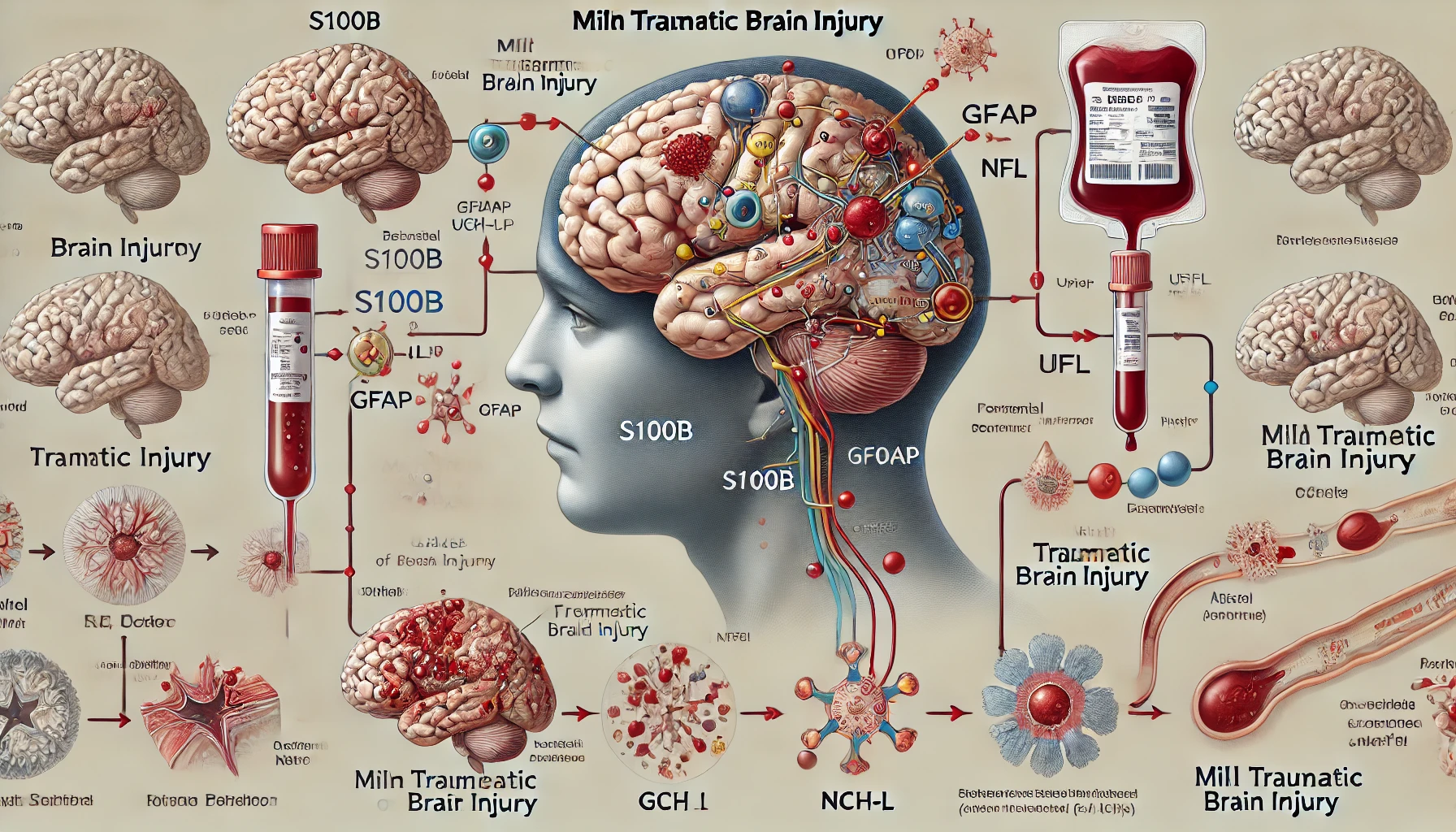
The study investigated the changes in specific biomarkers in the blood of patients following radiotherapy targeting brain tumors. It particularly focused on neurofilament light chain (NfL), glial fibrillary acidic protein (GFAP), and placental growth factor (PlGF) as indicators of neuronal and glial cell activity and damage. The understanding of these biomarkers is crucial since they serve as potential signals for brain tissue response to radiation treatment.
Researchers sought to identify whether elevated levels of these biomarkers could correlate with treatment efficacy and the potential side effects experienced by patients. The objective was to elucidate the relationship between radiotherapy and alterations in biomarker concentrations, which might provide insights into the underlying biological processes influenced by radiation therapy.
The study was conducted with a cohort of patients who had received radiotherapeutic interventions for various brain tumors. Blood samples were collected before treatment commenced and at various intervals post-treatment, allowing for a comprehensive analysis of the temporal changes in biomarker levels. The study design emphasized the need for rigorous controls and the application of modern analytical techniques to ensure accurate and reliable results.
The significance of this research lies in its potential to enhance the understanding of brain reactions to radiotherapy, paving the way for improved patient management and tailored therapeutic options based on biomarker profiling. The findings stand to contribute to the broader field of neuro-oncology by linking biomarker patterns to clinical outcomes in patients undergoing radiotherapy.
Methodology
This study employed a longitudinal design to meticulously track changes in blood biomarker levels over time in a cohort of patients diagnosed with various types of brain tumors. The investigation began with the recruitment of eligible participants who had been scheduled for radiotherapy. Criteria for inclusion encompassed a definitive diagnosis of brain tumors, the requirement for radiotherapy as part of their treatment plan, and the absence of previous systemic therapies that could interfere with biomarker levels. Informed consent was obtained from all participants, ensuring ethical compliance throughout the research process.
Blood samples were collected at multiple points: before the initiation of radiotherapy, immediately after the completion of treatment, and during follow-up visits over a specified period thereafter. During each sample collection, approximately 10 mL of blood was drawn, processed, and stored in a serum separator tube to isolate plasma. The samples were then centrifuged to retrieve the serum component, which was subsequently frozen at -80°C to maintain stability and preserve the integrity of the biomarkers for later analysis.
Quantification of NfL, GFAP, and PlGF levels was performed using highly sensitive enzyme-linked immunosorbent assay (ELISA) kits tailored for each biomarker. The assays employed were chosen for their specificity and sensitivity, allowing for accurate measurement of low concentrations typically found in the blood of patients following radiotherapeutic interventions. Each biomarker’s assay was conducted according to the manufacturer’s guidelines, ensuring standardized procedures.
To analyze the data, a combination of statistical methods was utilized. Descriptive statistics provided an overview of the demographic and clinical characteristics of the study population. Additionally, repeated measures ANOVA was performed to evaluate variations in biomarker levels across different time points, thereby enabling the assessment of temporal changes linked to radiotherapy. Multivariable regression analyses were applied to control for potential confounding factors such as age, sex, tumor type, and treatment regimen, allowing for a clearer interpretation of the relationships between biomarker levels and clinical outcomes.
This comprehensive methodological framework not only aimed to establish a robust correlation between biomarker fluctuations and radiotherapy effects but also underscored the importance of patient stratification based on individual biomarker profiles. By systematically examining these biological indicators, the researchers sought to deepen the understanding of the underlying pathophysiological responses to brain irradiation and their implications for patient care in the domain of neuro-oncology.
Key Findings
The study yielded significant insights into the fluctuations of biomarker levels in response to radiotherapy. The analysis revealed that after the commencement of treatment, there was a notable increase in neurofilament light chain (NfL) levels. NfL is widely recognized as a marker of neuronal damage; its elevation suggests that radiotherapy may induce stress or injury to neuronal cells, potentially correlating with treatment-related side effects experienced by patients.
In conjunction with NfL, glial fibrillary acidic protein (GFAP) levels also displayed an upward trend following radiotherapy. GFAP is a marker for astrogliosis, indicating an activation of astrocytes, the supportive glial cells in the brain. This increase could reflect a neuroprotective response to neuronal injury or could signify ongoing glial activation linked to inflammatory processes triggered by radiation. Such variations in GFAP could lend support to its role in assessing the severity of brain tissue reaction subsequent to irradiation.
Additionally, placental growth factor (PlGF) exhibited distinct patterns of elevation post-radiotherapy. As a member of the vascular endothelial growth factor family, PlGF is involved in angiogenesis and vascular permeability. The rise in PlGF levels could imply adaptive responses in the tumor microenvironment following radiation therapy, indicating a complex interplay between tumor biology, vascular response, and treatment efficacy. Understanding these trajectories could assist in clarifying how brain tumors adapt to therapeutic interventions.
The temporal aspects of the biomarker changes provide a clearer picture of the dynamic response of brain tissue to radiotherapy. The study noted that peak levels of NfL and GFAP occurred at particular follow-up points, which underscores the importance of timing in biomarker evaluation. This information is crucial for clinicians aiming to interpret biomarker levels in the context of patient management and tailored therapeutic approaches. Furthermore, the results hint at the potential of these biomarkers to act not only as indicators of response to treatment but also as tools for predicting adverse effects, thus influencing clinical decisions.
Statistical analyses indicated that all three biomarkers exhibited significant variations across time points, underscoring the responsive nature of these indicators to radiotherapy. The findings advocate for continuous monitoring of these biomarkers in clinical practice to enhance treatment strategies and mitigate adverse effects through timely interventions.
Overall, the results emphasize the intricate biological responses instigated by radiotherapy, highlighting the importance of these biomarkers in providing deeper insights into neurological health during and after treatment. This deeper understanding is vital for optimizing patient outcomes and could inform future strategies in neuro-oncology, particularly concerning personalized medicine and adaptive treatment protocols.
Clinical Implications
In light of the study’s findings, the elevation of biomarkers such as NfL, GFAP, and PlGF presents promising clinical implications for patient care in neuro-oncology. Firstly, the observed increase in NfL levels post-radiotherapy serves as a potential indicator of neuronal injury. Clinicians could utilize NfL measurements to monitor treatment effects, specifically assessing the degree of neuronal stress or damage in patients undergoing radiotherapy for brain tumors. For instance, a significant rise in NfL may prompt clinicians to investigate further for complications, thus enabling timely interventions that could mitigate adverse neurological effects.
The changes in GFAP levels also bear clinical significance, as GFAP’s rise reflects astrocytic activation and potential neuroinflammation. This may suggest that persistent inflammation or an inadequate neuroprotective response could occur in some patients, revealing an opportunity for targeted therapies aimed at reducing inflammation or promoting neuroprotection. Therefore, integrating GFAP monitoring into routine clinical assessments could equip healthcare providers with the necessary information to adapt treatment plans effectively for enhanced patient safety.
Moreover, the fluctuations in PlGF provide additional dimensions to understanding tumor biology in response to radiotherapy. Given PlGF’s role in angiogenesis, changes in its concentration could signify adaptive mechanisms within the tumor microenvironment. By tracking PlGF levels, oncologists might gain insights into tumor behavior following treatment, thus assisting in predicting treatment response or resistance. For patients experiencing unexpected outcomes, such as tumor recurrence or progression, PlGF levels could serve as a diagnostic adjunct to identify altered vascular responses that contribute to clinical phenomena.
Additionally, the temporal patterns in biomarker elevation highlight the necessity for strategic timing in biomarker assessments. Specifically, identifying peak levels of these biomarkers in relation to treatment schedules may enable clinicians to better correlate findings with patient symptoms and management strategies. By establishing a protocol for regular biomarker monitoring throughout the treatment continuum, healthcare teams can facilitate proactive adjustments in patient management, optimizing therapeutic efficacy while minimizing risks.
Ultimately, these biomarkers open avenues for a more personalized approach to care in patients with brain tumors. Individualized biomarker profiles could guide treatment decisions, potentially leading to bespoke therapeutic regimens that are finely tuned to mitigate side effects while enhancing efficacy. Such precision medicine strategies underscore a critical shift towards tailored treatment approaches, aligning medical intervention with the unique pathophysiology of each patient’s tumor and their response to radiotherapy.
As ongoing research continues to elucidate these relationships, integrating biomarker monitoring into clinical practice may become a standard component, not only enhancing our understanding of treatment responses but also significantly elevating the standard of care in neuro-oncology.