Dementia Overview
Dementia is a collective term that describes a range of cognitive impairments severe enough to interfere with daily living activities. Characterized by a gradual decline in mental functions, such as memory, reasoning, and communication, dementia can significantly impact both patients and caregivers. The etiology of dementia is multifactorial, with a variety of underlying conditions leading to symptoms. Alzheimer’s disease is the most prevalent form, accounting for 60-80% of cases, followed by vascular dementia, Lewy body dementia, and frontotemporal dementia, each presenting with distinct clinical features.
The pathophysiology of dementia often involves neurodegenerative processes, which may include the accumulation of toxic proteins—like amyloid-beta and tau in Alzheimer’s disease—that lead to synaptic dysfunction and neuron death. Vascular dementia, on the other hand, arises from cerebrovascular events that result in brain ischemia and damage. Understanding the underlying biology of these disorders is critical for diagnosis and management, as different types of dementia often necessitate varied therapeutic approaches.
From a clinical standpoint, dementia primarily affects older adults, although early-onset forms can occur. Risk factors include advanced age, family history, genetic predispositions like APOE ε4 alleles, and lifestyle factors such as cardiovascular health, physical activity, and diet. The multifaceted nature of dementia requires a comprehensive approach to patient care, encompassing medical, psychological, and social dimensions.
The impact of dementia extends beyond cognitive decline, often accompanied by neuropsychiatric symptoms such as depression, anxiety, and behavioral disturbances, which can complicate treatment and significantly affect quality of life for both individuals and their caregivers. It is crucial for healthcare providers to adopt a patient-centered approach that addresses these challenges, considering the emotional and psychological toll of dementia on families and caregivers who experience increased stress and burden.
In terms of medicolegal implications, dementia raises important ethical questions surrounding competency and decision-making. As cognitive decline progresses, individuals may become unable to provide informed consent for medical treatments or financial decisions, necessitating discussions about advance directives and potential guardianship. Additionally, the legal definitions of capacity can be complex and vary across jurisdictions, highlighting the need for clear protocols and support for families navigating these situations.
Through early recognition and ongoing support, healthcare systems can significantly improve outcomes for individuals with dementia, making awareness and understanding of this condition critical in both clinical practice and public health initiatives.
Assessment Tools
Accurate diagnosis and ongoing management of dementia hinge on effective assessment tools, which enable healthcare providers to evaluate cognitive and functional impairments systematically. Various screening instruments and diagnostic criteria have been developed, each tailored for diverse contexts and populations. A comprehensive assessment typically includes clinical evaluations, standardized tests, and collateral information from caregivers or family members.
One of the most widely used screening tools is the Mini-Mental State Examination (MMSE), which assesses various cognitive functions, including arithmetic, memory, and orientation. Although useful for detecting dementia, the MMSE has limitations, particularly in individuals with higher education levels who may score deceptively well despite underlying cognitive decline. To address these shortcomings, alternative tools such as the Montreal Cognitive Assessment (MoCA) and the Clock Drawing Test (CDT) have gained popularity for their sensitivity in detecting mild cognitive impairment. These assessments help clinicians capture an individual’s cognitive status more accurately.
Additionally, neuropsychological testing provides a more exhaustive evaluation of cognitive deficits, measuring functions such as attention, memory, language, visuospatial skills, and executive functioning. This detailed assessment is particularly beneficial in differentiating between types of dementia, which is crucial for tailoring management strategies. Neuropsychological tests can also help evaluate changes over time, thereby informing treatment decisions and care planning.
Incorporating caregiver reports is vital in dementia assessment, as they can provide insights into changes in behavior and social functioning that may not be observable in clinical settings. Tools like the Neuropsychiatric Inventory (NPI) or the Dementia Care Mapping (DCM) can capture behavioral symptoms and their frequency, further enriching the assessment process. This holistic approach ensures that the clinical picture includes both patient and caregiver experiences, which are essential for effective management.
Clinical relevance is apparent as these assessment tools not only aid in diagnosis but also establish a baseline from which to track cognitive decline and the effectiveness of interventions. Furthermore, regular assessment can identify the emergence of co-morbidities, such as depression, which may complicate dementia and require additional therapeutic strategies. It’s imperative that healthcare providers advocate for the use of these tools in routine evaluations, ensuring a proactive approach to care.
On the medicolegal front, the use of assessment tools is critical for establishing a patient’s competency and capacity, particularly in legal decisions involving end-of-life care and financial matters. Accurate documentation of cognitive status through standardized assessments can protect both patients and providers in legal disputes. Establishing clear communication with families about the implications of assessment results is equally important, as it can facilitate planning for possible interventions and guide families through complex decisions regarding guardianship and power of attorney.
Overall, employing a range of assessment tools helps clinicians to develop a comprehensive understanding of the individual’s cognitive health, informs management plans, and ensures that both patients and their families receive adequate support throughout the course of dementia. The integration of these tools into clinical practice remains essential for enhancing care quality and addressing the complex challenges presented by dementia.
Management Strategies
Management of dementia requires a multifaceted approach that addresses both the cognitive and non-cognitive symptoms, improving quality of life for patients as well as relief for caregivers. Interventions can be categorized into pharmacological and non-pharmacological strategies, each playing a vital role in care.
Pharmacological treatment primarily involves the use of cholinesterase inhibitors (e.g., donepezil, rivastigmine, and galantamine) and the N-methyl-D-aspartate (NMDA) antagonist memantine, both of which are approved for symptomatic treatment of Alzheimer’s disease. Cholinesterase inhibitors work by increasing levels of acetylcholine, a neurotransmitter involved in memory and learning, potentially leading to improvements in cognition and daily functioning. Memantine, on the other hand, helps to prevent excessive excitatory signaling that can lead to neuronal damage. While these medications can offer symptomatic relief, they do not halt disease progression, and their effectiveness may vary among individuals.
In addition to pharmacological therapy, managing behavioral and psychological symptoms is crucial. Neuropsychiatric manifestations such as depression, anxiety, agitation, or psychosis are common and can significantly affect both patients and their caregivers. Antidepressants and antipsychotic medications may be employed, but they require careful consideration due to potential side effects and the risk of worsening cognitive impairment. Non-pharmacological approaches, including cognitive behavioral therapy and specialized behavioral interventions, can alleviate symptoms without the added risks associated with medications.
Engagement in structured activities has also been shown to positively impact cognitive function and emotional well-being. Programs that promote physical exercise, cognitive stimulation, and social interaction are integral to management strategies. Exercise has been linked to improved mood and cognitive abilities, while cognitive activities tailored to individuals’ capabilities can serve to stimulate their minds. Caregiver training and involvement in such programs can facilitate better outcomes by enabling caregivers to promote these activities within the home environment.
From a clinical perspective, frequent monitoring and regular adjustments to the management plan are essential as dementia progresses. Healthcare providers should schedule consistent follow-ups to assess the effectiveness of interventions and identify any new challenges that arise. This iterative process ensures that management remains responsive to the changing needs of the patient.
Within the medicolegal context, management strategies raise important considerations regarding informed consent and capacity. As a patient’s cognitive function declines, decisions about treatment may need to be guided by previously expressed wishes or the input of substitute decision-makers. It’s crucial for healthcare providers to educate families on the importance of advance care planning, ensuring that patients’ rights and preferences are honored even when they can no longer communicate their desires. This preparation includes discussions about goals of care, the level of intervention desired, and the allocation of responsibilities among family members.
Furthermore, care arrangements should take into account legal protections for both patients and caregivers. This includes understanding the implications of guardianship and power of attorney in the context of health decision-making. By addressing these legal aspects, healthcare providers can better support families in navigating the complexities of dementia care, ultimately enhancing the overall quality of life for patients while providing respite for caregivers.
The integration of both pharmacological and non-pharmacological strategies, along with an understanding of the legal and ethical dimensions of care, is vital for a comprehensive management approach to dementia. As this multifaceted condition evolves, a holistic strategy centered on flexibility and responsiveness to patients and their families will be essential in managing its profound challenges.
Future Directions
As the understanding of dementia evolves, future directions in research and clinical practice are focused on improving early diagnosis, enhancing management strategies, and ultimately finding disease-modifying therapies. Key areas of exploration include biomarkers, advances in technology, and novel therapeutic approaches that target the underlying pathophysiological mechanisms of different dementias.
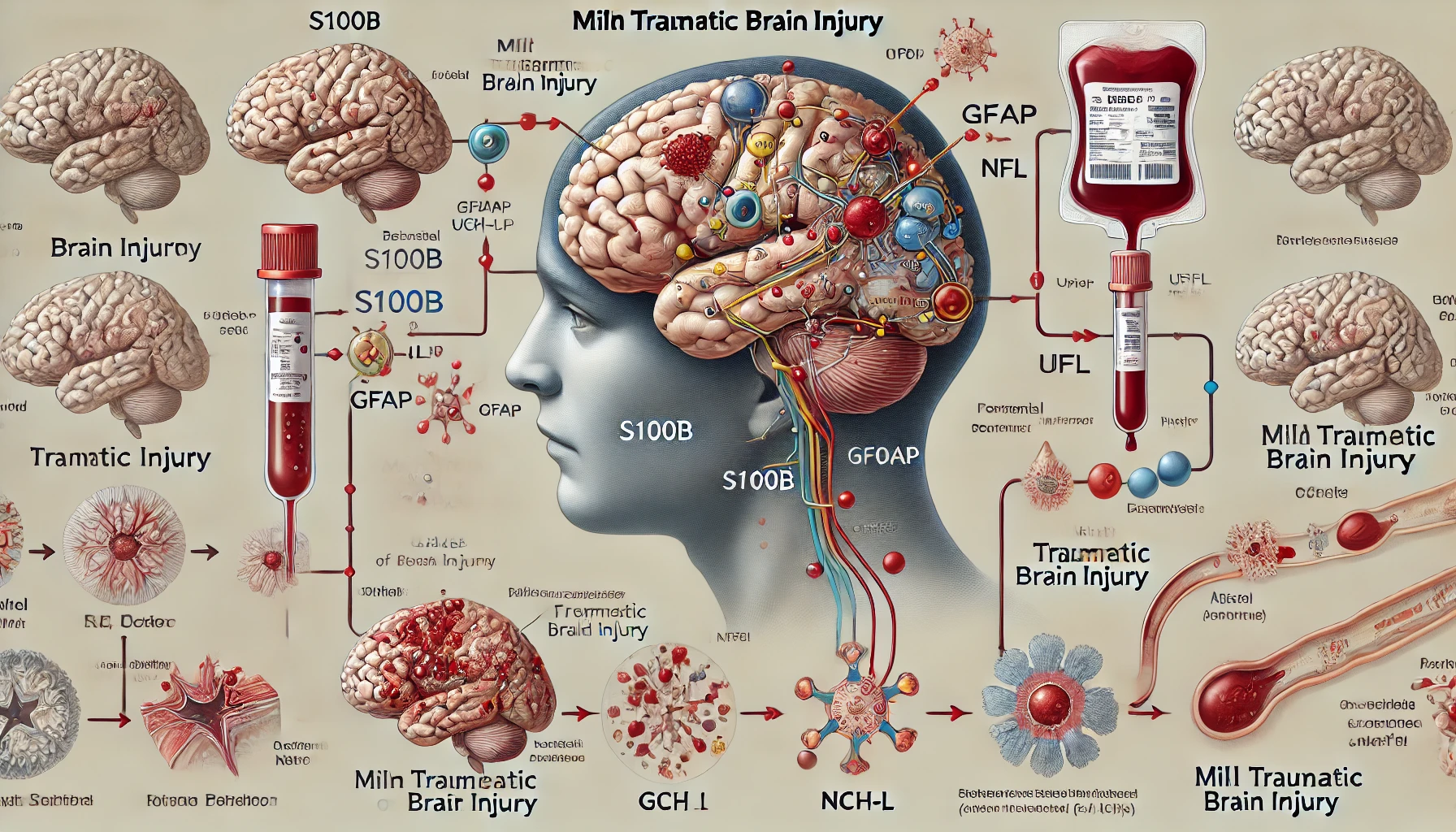
Research into biomarkers is gaining momentum, as identifying specific biological markers associated with different types of dementia could facilitate earlier and more accurate diagnoses. This includes neuroimaging techniques such as positron emission tomography (PET) scans, which can detect amyloid and tau deposits in the brain, and the use of cerebrospinal fluid (CSF) analysis for the presence of neurodegeneration-related proteins. The integration of these biomarkers with cognitive testing may provide a more comprehensive picture of an individual’s cognitive health, allowing for timely and targeted interventions.
Technology is also playing an increasingly significant role in dementia care. Innovations such as wearable devices and mobile health applications can support monitoring of cognitive health and daily activities, contributing to personalized management plans. Telemedicine is transforming access to care, enabling patients to receive consultations and support from specialists without the need for travel. Digital platforms may facilitate caregiver education and communication, equipping families with the resources they need to manage their loved ones’ care more effectively. However, the implementation of technology must be approached with caution to ensure usability and accessibility for all patients, particularly older adults who may face challenges in adapting to new tools.
In terms of therapeutic approaches, there is a growing interest in disease-modifying treatments aimed at slowing or halting dementia progression, particularly for Alzheimer’s disease. Potential targets for these therapies include the amyloid precursor protein, tau proteins, and pathways involved in neuroinflammation. Recent advancements have led to the development of monoclonal antibodies that aim to remove amyloid plaques from the brain, sparking hope for a potential breakthrough in treatment. Ongoing clinical trials are critical in determining the effectiveness and safety of these new interventions, and the results may reshape the therapeutic landscape for dementia.
Moreover, lifestyle interventions are continually being emphasized for their potential to mitigate dementia risk or slow cognitive decline. Research is increasingly focusing on the impacts of diet, physical activity, cognitive stimulation, and social engagement on brain health. The interplay between these factors suggests that a holistic approach to prevention and management may yield significant benefits, reinforcing the idea that lifestyle modifications can serve as an adjunct to medical treatments.
Furthermore, the interface between dementia care and legal frameworks is likely to evolve, necessitating an ongoing dialogue about capacity and decision-making. As the medical community strengthens its understanding of cognitive decline, there will be a greater emphasis on integrating legal considerations into clinical practice. This includes the establishment of more robust policies around advance directives and guardianship to protect the rights and wishes of individuals living with dementia.
Education and training for healthcare professionals, caregivers, and the broader community will also be essential. Increasing awareness about dementia, dispelling myths, and providing practical information will support better interactions and care pathways. Initiatives that target educational outreach can empower both caregivers and patients, ensuring that they are equipped to engage in discussions about care options, ethical considerations, and the available resources.
In summary, the future of dementia care is at a pivotal point, with promising advancements on the horizon. The confluence of biomarker research, technological innovation, lifestyle interventions, and evolving legal frameworks will shape how dementia is understood and managed. Continued investment in research and training in these areas is vital for improving outcomes and enhancing the quality of life for individuals affected by dementia and their families. This evolution will demand collaboration across multiple disciplines, ensuring that those impacted by this condition are supported holistically and comprehensively.