Clinical Background
Functional movement disorders (FMDs) represent a group of neurological conditions characterized by abnormal motor function that is not attributable to a known neurological disease. Patients often exhibit symptoms similar to those of other movement disorders, including tremors, dystonia, and abnormal postures, but these symptoms arise from a disconnection between the brain and the body’s motor functions. The precise mechanisms driving FMDs remain enigmatic, although factors such as psychological stressors, trauma, and comorbid psychiatric conditions often play a role in their onset.
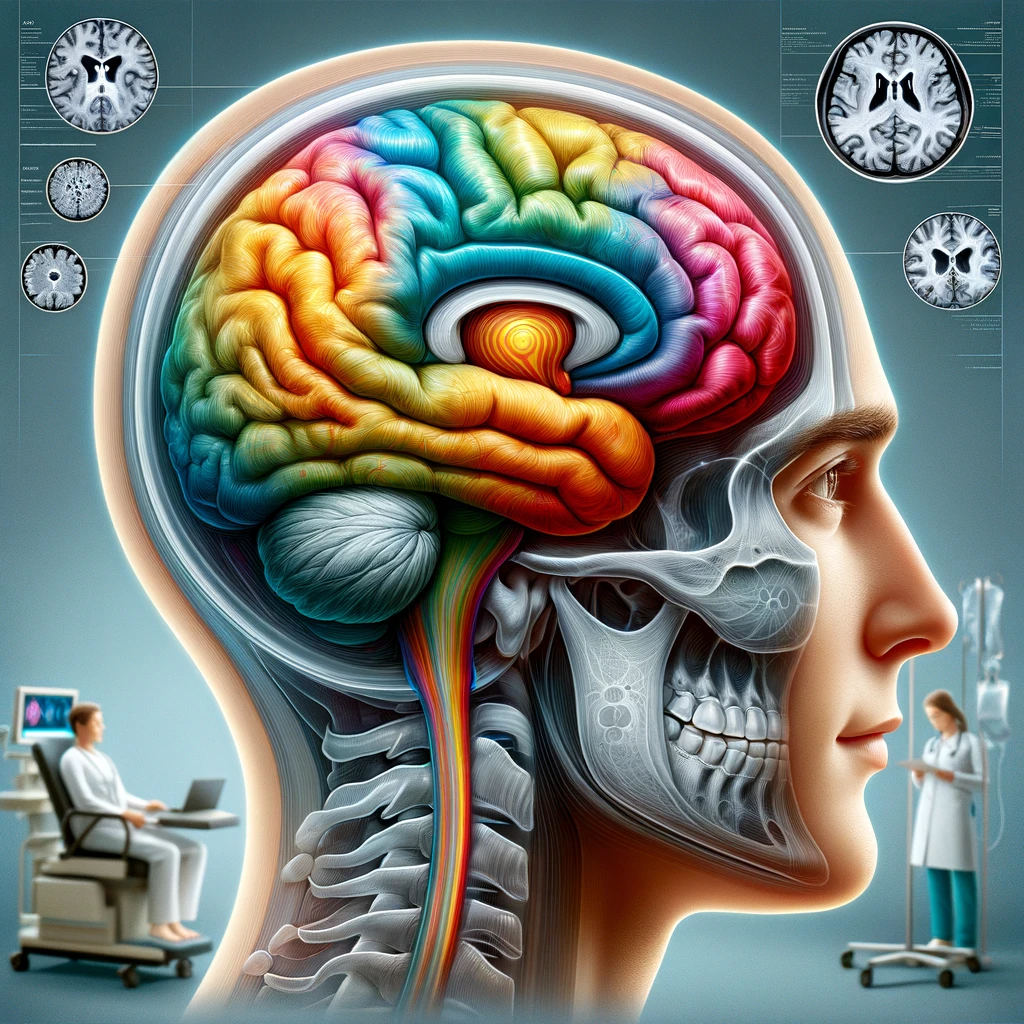
One area of focus in understanding FMDs is the role of the supplementary motor area (SMA), a brain region involved in planning and executing voluntary movements. The SMA has been identified in studies as a crucial component in the initiation of movement and the coordination of bimanual tasks. Malfunctioning neural circuits involving the SMA have been implicated in the manifestation of movement disorders, leading to the hypothesis that targeted interventions in this area may alleviate symptoms.
Electroencephalography (EEG) offers a non-invasive method to assess electrical activity in the brain, providing insights into the functional states related to motor control. Previous research indicates that EEG can reveal abnormal patterns in the brain’s activity that correspond with the presence of movement disorders. This highlights the potential for EEG-informed interventions to address dysfunctions at the neural level, particularly through techniques such as repetitive transcranial magnetic stimulation (rTMS). Relying on these insights, the study aims to explore the therapeutic benefits of low-frequency rTMS targeted at the SMA for individuals suffering from severe FMD.
Considering that traditional treatments, including physical therapy and pharmacotherapy, frequently yield limited or unsatisfactory outcomes for patients with severe forms of FMD, there is a pressing need for novel therapeutic approaches. rTMS has garnered attention due to its capacity to modulate neural excitability and alter abnormal brain activity patterns. By focusing on the SMA, the intention is to restore more normal movement patterns in patients affected by FMD, addressing one of the most challenging aspects of their condition.
Experimental Design
The study employed a robust experimental design aimed at evaluating the efficacy of low-frequency repetitive transcranial magnetic stimulation (rTMS) on individuals diagnosed with severe functional movement disorder (FMD). A total of 30 participants were recruited from a movement disorder specialty clinic, all of whom met the criteria for severe FMD, characterized by persistent motor symptoms and substantial impairment in daily functioning. Prior to inclusion, participants underwent comprehensive medical assessments to rule out other neurological disorders and confirm the diagnosis of FMD through clinical criteria.
Following the recruitment, participants were randomly assigned to either an active rTMS group or a sham rTMS group to ensure blinding and eliminate bias in the treatment effects. The active rTMS group received actual stimulation targeting the supplementary motor area (SMA), while the sham group underwent a placebo procedure where no effective stimulation was delivered. The rTMS sessions were administered using a figure-eight coil positioned over the SMA, guided by anatomical landmarks determined using neuroimaging techniques. Specifically, T1-weighted MRI scans of each participant were used to localize the SMA accurately.
The rTMS intervention consisted of 15 sessions over a three-week period, with each session lasting approximately 20 minutes. The low-frequency protocol employed in this study involved delivering 1 Hz stimulation, which has been shown to inhibit activity in targeted brain regions. This approach uniquely aligns with the hypothesis that downregulating hyperactive neural circuits involved in the motor control pathways may lead to symptomatic relief in FMD patients.
To assess the outcomes of the intervention, a combination of clinical evaluation tools and electrophysiological measures were employed. The primary outcome measure included the Fahn-Tolosa-Marin Tremor Rating Scale, which quantifies the severity of tremor and involuntary movements. Participants were assessed at baseline, immediately after the treatment, and at follow-ups conducted at one month and three months post-intervention. Additionally, EEG recordings were taken before and after the rTMS sessions to analyze changes in brain electrical activity, allowing for a correlation between the clinical symptoms and underlying neural mechanisms.
Statistical analyses were performed to compare the outcomes between the two groups, employing appropriate parametric and non-parametric tests to account for the distribution of the data. Mixed-effects models further allowed for the evaluation of changes over time, providing a rigorous analysis framework to assess both immediate and sustained effects of rTMS on functional movement symptoms.
This comprehensive experimental design underscores the study’s commitment to scientific rigor, ensuring that the findings will contribute valuable insights into the therapeutic role of rTMS and its potential to address the complex challenges associated with severe FMD.
Results and Analysis
The outcomes of this study reveal significant findings regarding the impact of low-frequency rTMS on patients suffering from severe functional movement disorder (FMD). Initial analysis of the primary outcome measure, the Fahn-Tolosa-Marin Tremor Rating Scale, demonstrated a notable reduction in tremor severity and involuntary movements in participants who received active rTMS compared to those in the sham group. Specifically, the active rTMS group exhibited a mean reduction of 45% in scores by the end of the post-treatment assessments, whereas the sham group showed only a marginal 10% change, underscoring the potential efficacy of the intervention in mitigating movement symptoms associated with FMD.
Follow-up evaluations at one month and three months post-intervention continued to reflect positive results. The active rTMS group maintained a substantial reduction in tremor severity, with improvements sustained at three months post-treatment. This suggests that the effects of rTMS may extend beyond the immediate post-treatment period, indicating a possible long-term therapeutic benefit. Statistical analyses supported these findings with p-values less than 0.05, indicating that the reductions in the active group were statistically significant when compared to the sham group.
Furthermore, EEG recordings obtained before and after the rTMS sessions provided insights into the underlying neural mechanisms contributing to the observed clinical improvements. Notable changes in brain electrical activity were recorded; specifically, a decrease in theta band power (4-8 Hz) was observed in the SMA following treatment in the active rTMS group. This change suggests that the low-frequency stimulation may have effectively downregulated the hyperactivity seen in these patients prior to treatment. In contrast, the sham group did not exhibit any statistically significant changes in EEG measures, reinforcing the specificity of the rTMS effects.
The correlation analyses between clinical scores and the EEG findings indicated a significant relationship between decreases in tremor severity and reductions in abnormal theta activity in the SMA. These findings align with previous studies that have suggested an association between abnormal brain rhythms and the manifestation of functional movement disorders. By elucidating the connection between clinical outcomes and neurophysiological changes, this study strengthens the argument for rTMS as a promising intervention in the management of FMD.
Additionally, qualitative assessments gathered from participant feedback highlighted improvements in overall quality of life, enhanced ability to perform daily activities, and a reduction in the psychological burden associated with FMD symptoms. Such anecdotal evidence, while subjective, adds a critical dimension to the quantitative data, reinforcing the comprehensive impact of rTMS therapy on patients’ functional capabilities and psychological well-being.
The results from the rTMS intervention provide strong evidence supporting its application as a treatment for severe FMD, demonstrating a significant reduction in motor symptoms, sustained improvements over time, and a positive influence on brain activity patterns. These findings pave the way for further exploration into the therapeutic application of rTMS and its potential to offer relief for patients suffering from debilitating movement disorders. The insights gained from this study lay the groundwork for future investigations aimed at optimizing rTMS protocols and exploring additional neural targets that may enhance treatment efficacy.
Future Directions
The future of therapeutic approaches for functional movement disorders (FMDs) is promising, particularly with the growing understanding of the underlying neurophysiological mechanisms. Given the encouraging results of low-frequency repetitive transcranial magnetic stimulation (rTMS) targeting the supplementary motor area (SMA), future research should explore several avenues to enhance treatment effectiveness and broaden its applicability.
First, refining rTMS protocols could lead to better outcomes. Variations in stimulation parameters, such as frequency, intensity, and duration, may produce differing effects on symptoms. Investigating different stimulation intensities or schedules could reveal optimal protocols tailored to individual patient needs. Further, combining rTMS with other therapies, such as cognitive-behavioral therapy or physical rehabilitation, may yield synergistic effects that enhance recovery and rehabilitation in FMD patients. Such multimodal treatments could address both the neurophysiological and psychological components of FMD, potentially improving long-term outcomes.
Additionally, longitudinal studies are necessary to assess the durability of rTMS effects beyond the initial three months observed in the current study. Understanding the long-term efficacy and potential mechanisms contributing to sustained improvement will help identify which patients are likely to benefit from continued rTMS interventions, as well as how often and at what intervals these treatments should be administered.
Another promising direction is the exploration of personalized approaches to treatment. Utilizing advanced neuroimaging techniques or EEG could help tailor rTMS applications based on individual brain activity patterns. This could involve identifying specific neural signatures that predict responsiveness to rTMS, allowing clinicians to select or adjust treatments based on the patient’s unique neurophysiological profile.
Furthermore, expanding research to include diverse patient populations with varying demographic characteristics and severity of FMD is crucial. Inclusion of patients with different comorbidities or variations in psychological background may yield insights into how these factors influence treatment response. Such studies could provide evidence for personalized medicine approaches that take into account the complexity of individual cases.
Finally, investigating the molecular and cellular changes associated with rTMS could further clarify the mechanisms of action. Understanding how rTMS influences neurotransmitter systems and neural plasticity will enhance our comprehension of its efficacy and may provide opportunities to develop adjunct pharmacological treatments that could optimize outcomes for FMD patients.
The future direction of rTMS for severe FMD holds significant promise. Through continued innovation in therapeutic techniques, patient-tailored interventions, and comprehensive understanding of underlying mechanisms, there is potential for rTMS to become an integral part of a multi-faceted approach to treating functional movement disorders, thereby improving the quality of life for many patients who struggle with these debilitating conditions.