neuroinflammation

6e5c27c1 085c 4563 9cd5 E3d00dc3a381

Exploring the Role of Salivary Biomarkers in Mild Traumatic Brain Injury Diagnosis

Abstract:
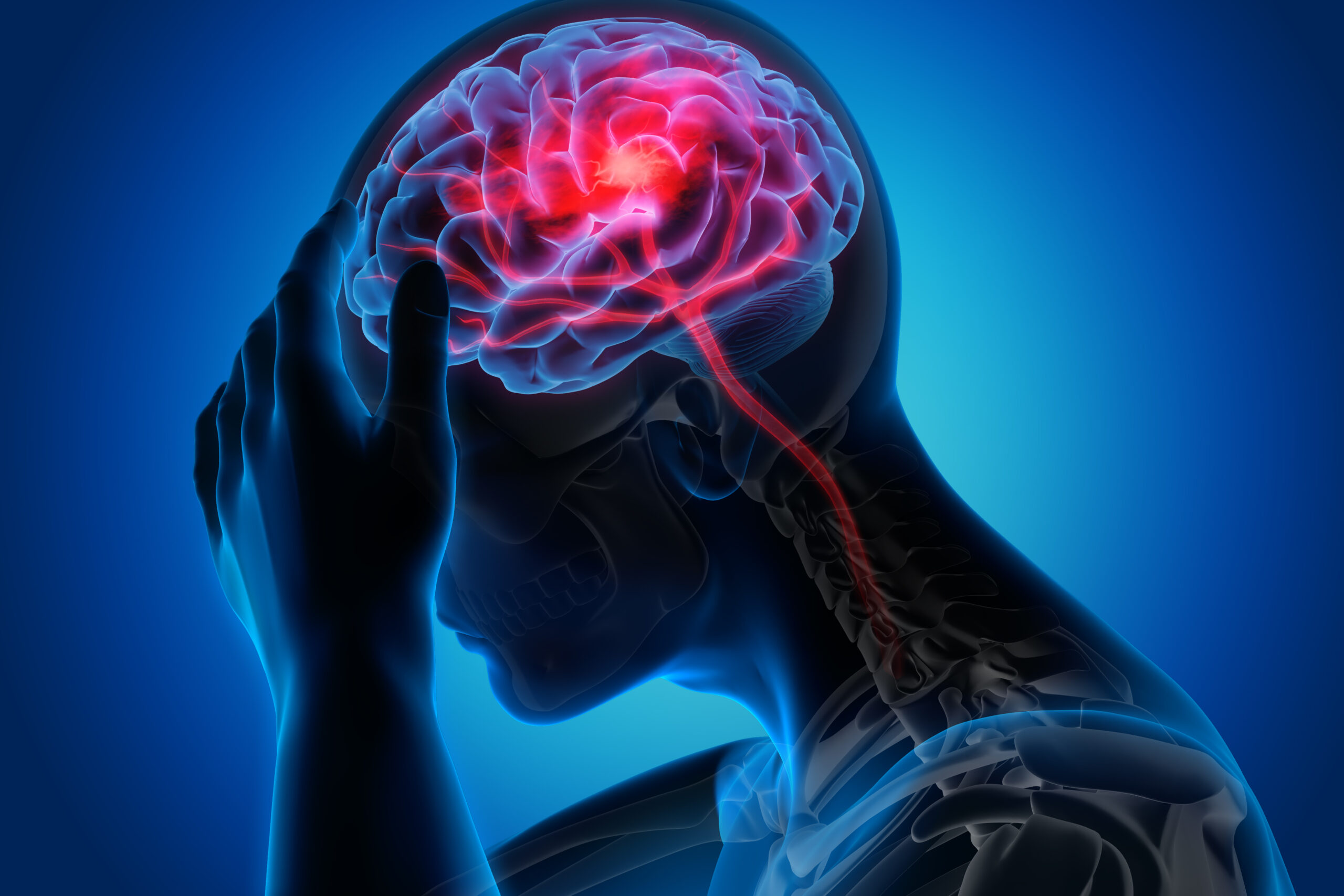
Mild Traumatic Brain Injury (mTBI) is a significant public health concern, with its diagnosis often hindered by subtle symptoms and limitations in traditional testing methods. Salivary biomarkers have emerged as a promising, non-invasive alternative for mTBI diagnosis. These biomarkers, including S100B protein, Neurofilament Light Chain (NfL), microRNAs (miRNAs), and extracellular vesicles (EVs), offer insights into neuroinflammatory processes and neuronal damage. Saliva’s accessibility and ease of collection position it as a cost-effective tool for early diagnosis and monitoring. Despite their potential, challenges such as standardization, biological complexity, and the need for validation persist. Advancements in research, technology, and integration with clinical tools could establish salivary biomarkers as a pivotal component in mTBI assessment, enabling more precise and personalized care.

Exploring the Role of Salivary Biomarkers in Mild Traumatic Brain Injury Diagnosis Read Post »

Shutterstock 1423084877 Scaled

Functional Cognitive Impairment Following Mild Traumatic Brain Injury (mTBI)

Functional cognitive impairment (FCI) post-mild traumatic brain injury (mTBI) presents a significant challenge, often manifesting subtle symptoms that persist well beyond the healing of physical injuries. The primary causative factor is the brain trauma itself, which disrupts normal cognitive functioning and is exacerbated by metacognitive impairments, psychological factors such as depression and anxiety, and physical symptoms like fatigue and headache. Despite normal results on traditional neuropsychological tests, affected individuals may struggle with daily cognitive tasks, impacting their quality of life. While treatment options like transcranial Direct Current Stimulation (tDCS) and cognitive rehabilitation programs show promise, the prognosis for FCI varies widely, dependent on several factors including the severity of the initial injury and individual health conditions. Emerging research using techniques like [18F]fluorodeoxyglucose positron emission tomography ([18F]FDG-PET) offers new insights into prognosis, enhancing understanding and management of FCI.

Functional Cognitive Impairment Following Mild Traumatic Brain Injury (mTBI) Read Post »

Scroll to Top