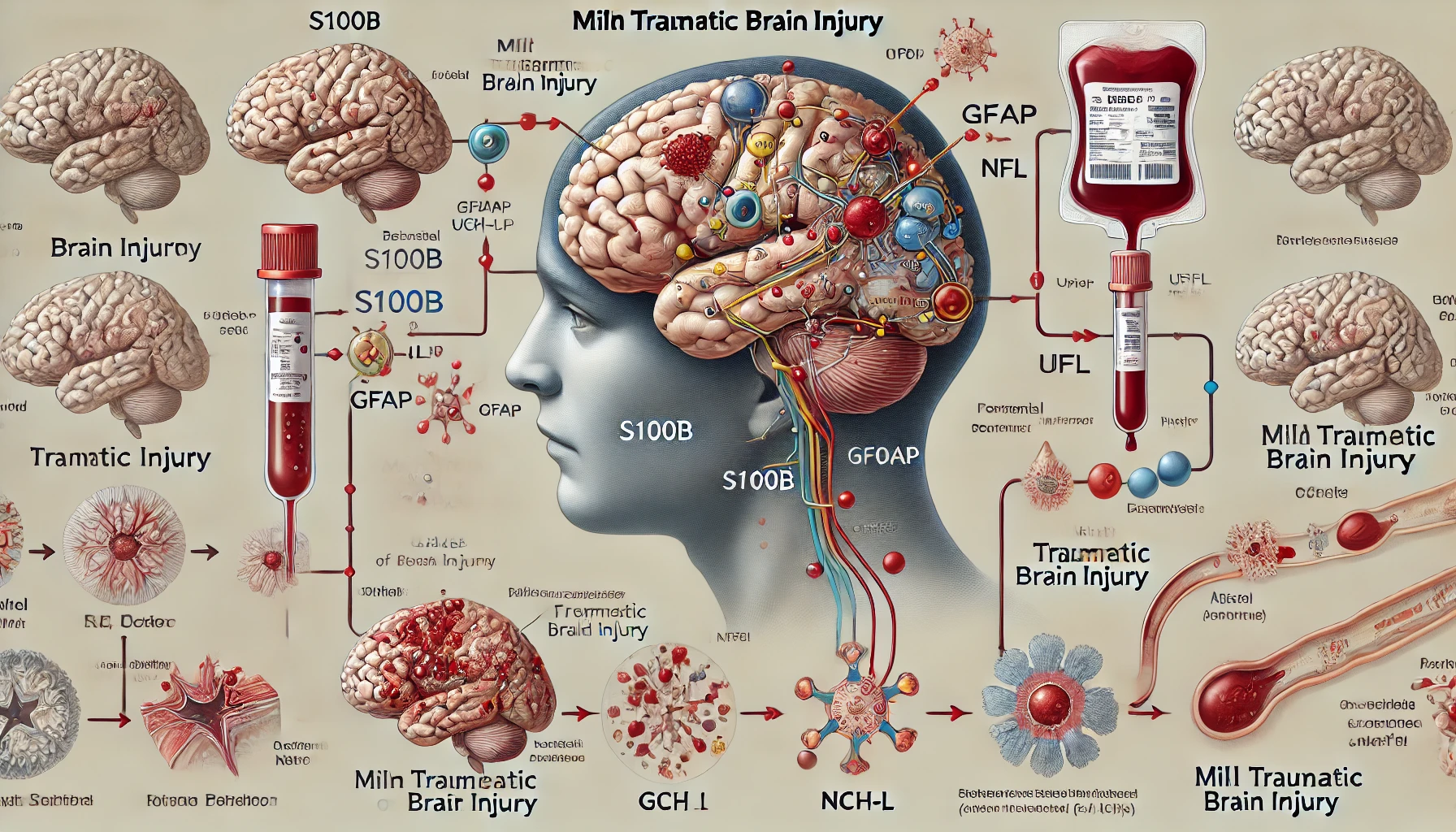
Study Overview
The research investigates the interplay between plasma biomarkers indicative of Alzheimer’s disease and the presence of white matter hyperintensities in the brains of cognitively healthy adults. The premise is that these biomarkers and hyperintensities may contribute to cognitive decline, even among those who do not exhibit overt dementia symptoms. Tracking this relationship is crucial as it may offer insights into the early diagnosis and understanding of Alzheimer’s disease progression.
The study included a diverse sample of adults who underwent various assessments, including cognitive testing and brain imaging. This synthesis of clinical and imaging data aimed to elucidate whether subtle changes in brain structure, reflected by white matter hyperintensities, interact with blood-based biomarkers that signal Alzheimer’s pathology. The focus was not solely on identifying the presence of these factors but rather on how their interaction might influence cognitive functions over time.
A longitudinal design was employed, allowing researchers to observe participants over an extended period, drawing conclusions about the dynamics between these variables. Such an approach not only strengthens the validity of the findings but also enhances the understanding of cognitive aging in relation to potential Alzheimer’s pathology. By employing advanced statistical analyses, the researchers were able to uncover nuances that previous studies may have overlooked.
The implications of this line of inquiry are far-reaching, impacting clinical practices related to the monitoring and management of cognitive health in aging populations. Understanding these relationships could lead to earlier interventions and more tailored healthcare strategies for individuals at risk for dementia, thus reshaping patient care paradigms. Moreover, the insights gained from this study have the potential to inform regulatory guidelines and medico-legal standards surrounding cognitive assessments and dementia diagnosis, paving the way for improved patient outcomes.
Methodology
The methodology of this study was carefully designed to ensure that the relationships between plasma biomarkers and white matter hyperintensities were thoroughly examined. A total of 300 cognitively healthy adults, aged between 50 and 80, were recruited from community centers and outpatient clinics, providing a representative sample that encompasses a range of demographic backgrounds. Participants underwent comprehensive baseline assessments, which included neuropsychological evaluations, detailed medical histories, and demographic data collection.
To assess cognitive function, the researchers utilized standardized cognitive tests covering key domains such as memory, executive function, and attention. These tests were repeated at the 2-year follow-up to capture changes over time. Neuroimaging was performed using magnetic resonance imaging (MRI) to identify white matter hyperintensities, which are indicative of small vessel disease and neural degeneration. High-resolution T2-weighted images were analyzed to quantify the burden of hyperintensities, which were then categorized according to severity levels.
Simultaneously, blood samples were collected to measure plasma levels of Alzheimer disease biomarkers, including amyloid-beta and tau protein. These biomarkers serve as critical indicators of neurodegenerative processes. Advanced assays, such as immunoassays, were utilized to ensure precise quantification of these proteins.
The researchers conducted statistical analyses using mixed-effects models that accounted for potential confounding variables such as age, sex, education level, and vascular risk factors. By employing this longitudinal design, the interaction effects between plasma biomarkers and white matter hyperintensities could be assessed over multiple time points, enabling a nuanced understanding of how these factors relate to cognitive decline.
Ethical considerations were paramount throughout the research process. Informed consent was obtained from all participants, ensuring their understanding of the study’s scope and potential risks. The study protocol adhered to institutional review board guidelines, with ethical approval obtained before initiating participant recruitment.
Overall, the rigorous methodological framework employed in this investigation is essential for establishing a robust link between plasma biomarkers and white matter hyperintensities, illustrating their combined effects on cognitive health. This approach not only enhances the reliability of the findings but also sets a precedent for future research in the field of Alzheimer’s disease and cognitive decline.
Key Findings
The findings of this study reveal significant insights into the relationship between plasma Alzheimer’s disease biomarkers, specifically amyloid-beta and tau protein, and the presence of white matter hyperintensities in cognitively healthy adults. Analysis showed that individuals with higher levels of these biomarkers were more likely to exhibit cognitive decline over the follow-up period. Notably, the interaction between elevated biomarker levels and the severity of white matter hyperintensities played a crucial role in determining cognitive performance.
Participants with both high plasma biomarker levels and pronounced white matter hyperintensities demonstrated a more pronounced decline in cognitive function compared to those with either condition alone. This suggests that the combination of these factors could exacerbate cognitive decline, highlighting a possible synergistic effect. Specifically, impairments in memory and executive functions were most common in this group, which raises important questions about how early interventions could be applied in clinical settings to mitigate these risks.
Statistical analyses confirmed that the interaction effects remained significant even after controlling for various confounding factors, including demographic variables and vascular risk factors. This lends robustness to the findings, indicating that the observed relationships are not merely coincidental but are indicative of underlying pathophysiological processes. Furthermore, the longitudinal nature of the data provided evidence for a temporal relationship, suggesting that monitoring these biomarkers alongside neuroimaging could serve as an early indicator of cognitive decline trajectory.
The robustness of these findings supports their potential applicability in clinical practice. For instance, incorporating routine assessment of plasma biomarkers along with MRI screenings could enhance the early identification of individuals at risk of developing Alzheimer’s disease. This could enable healthcare providers to implement preventive strategies sooner, such as lifestyle modifications, cognitive interventions, or pharmacological approaches.
From a medicolegal perspective, the study’s results underscore the importance of accurately characterizing an individual’s risk for cognitive decline. As diagnostic criteria for Alzheimer’s disease evolve, incorporating biomarkers into clinical assessments may become essential. Such an integrated approach could refine patient care pathways and inform decisions regarding the need for surveillance and intervention. Moreover, these insights could have implications for insurance and regulatory frameworks, as understanding risk profiles for cognitive decline can influence eligibility for certain types of care and support.
Overall, the intricate relationships showcased in this study provide a compelling case for further research into the mechanisms underlying cognitive decline in non-demented individuals, paving the way for innovative strategies aimed at prevention and early intervention in Alzheimer’s dementia.
Clinical Implications
The findings of this study point to a crucial intersection of neurobiology and clinical practice, emphasizing the need for proactive measures in assessing cognitive health among aging populations. The evident link between elevated plasma Alzheimer’s disease biomarkers and white matter hyperintensities suggests that clinicians should consider these factors holistically when evaluating patients. By recognizing that cognitive decline can initiate long before dementia is diagnosed, healthcare providers can improve early detection strategies and intervention practices.
Integration of routine blood tests for Alzheimer’s biomarkers, alongside traditional cognitive assessments and advanced imaging techniques such as MRI, could facilitate a more comprehensive understanding of an individual’s cognitive health. For example, individuals presenting with moderate levels of white matter hyperintensities but elevated amyloid-beta and tau levels may be prudent candidates for early intervention, such as lifestyle modifications or cognitive training activities. This targeted approach can help delay or mitigate the progression of cognitive impairment, ultimately enhancing quality of life for older adults.
In terms of clinical workflow, this research may advocate for a paradigm shift, where yearly wellness checks for older adults would include both cognitive screening and biomarker profiling. Such practice aligns with a preventative care model, encouraging clinicians to adopt a more proactive stance regarding the management of middle-aged and older adults at risk of cognitive decline.
From a medicolegal standpoint, the study underscores the potential ramifications for patient rights and clinical liability. As the landscape of Alzheimer’s disease diagnosis evolves, there is a growing ethical and legal obligation for healthcare systems to adopt evidence-based guidelines that incorporate biomarkers into preemptive care models. Failing to provide comprehensive assessments could lead to legal repercussions, particularly if patients with identifiable risks are not managed appropriately.
This study also raises pertinent questions about health insurance coverage for biomarker testing. As the evidence supporting their utility strengthens, policies may need to adapt to include these tests as standard care practices. The integration of biomarkers not only assists in the clinical management of patients but could also affect eligibility for particular supports or services, underlining the necessity for collaborative efforts between healthcare providers, insurers, and policymakers to ensure that optimal care pathways are established.
Furthermore, education for both healthcare professionals and patients is vital. Educating practitioners about the significance of these biomarkers and their implications for cognitive health will empower them to make informed clinical decisions. Additionally, providing patients with clear, accessible information on what these assessments entail and their potential outcomes can foster a supportive environment. This understanding may aid in reducing anxiety surrounding cognitive decline, enabling patients to engage fully in discussions regarding their health.
In sum, by bridging cutting-edge research with clinical practices and ethical considerations, this study lays the groundwork for fostering a more nuanced understanding of cognitive health in older adults, ultimately enhancing care approaches and safeguarding patient welfare.