Frailty Assessment in Traumatic Brain Injury
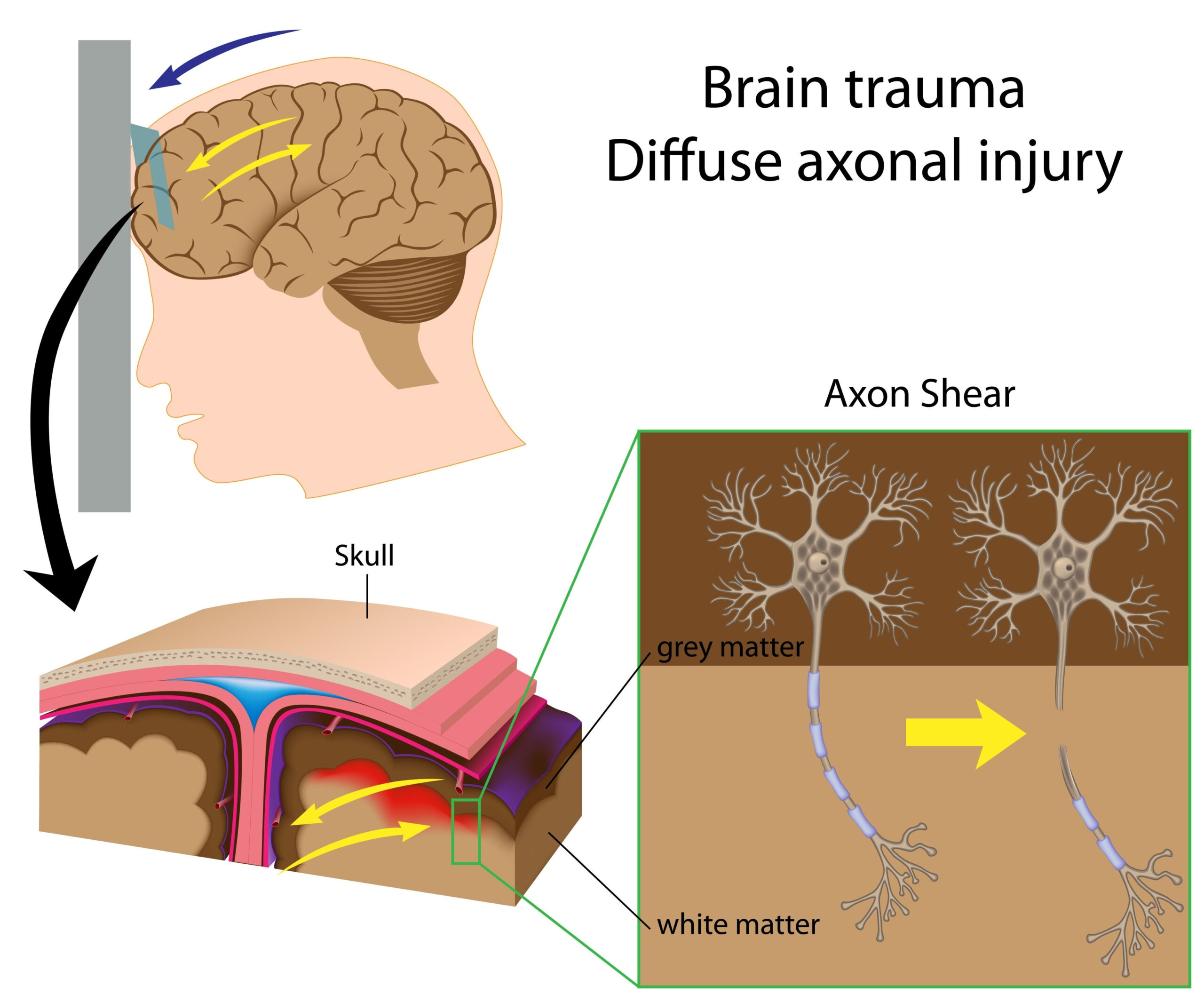
Frailty assessment in patients with traumatic brain injury (TBI) is crucial for understanding their overall health status and predicting outcomes. The frailty syndrome encompasses a state of increased vulnerability due to decreased physiological reserve and loss of function. In TBI patients, frailty can complicate recovery and rehabilitation, making its identification essential.
To assess frailty effectively, several validated tools and criteria have emerged. One commonly used method is the Fried Frailty Phenotype, which evaluates five key components: unintentional weight loss, exhaustion, low physical activity, slow walking speed, and weakness (Fried et al., 2001). Each factor is crucial as it captures various dimensions of health and functional ability, allowing healthcare providers to identify individuals who may be at greater risk for poor outcomes post-injury.
The Clinical Frailty Scale (CFS) is another option that provides a more subjective measure, classifying patients on a scale from very fit to terminally ill based on their overall fitness and cognitive function. This scale is particularly useful in clinical settings where rapid assessment is necessary. In recent studies involving TBI populations, these frailty assessment tools demonstrated a significant correlation with adverse outcomes, including prolonged hospital stays, increased complications, and lower quality of life (Rockwood et al., 2005).
Furthermore, the assessment process for frailty must consider various factors unique to the TBI population. For instance, cognitive impairments resulting from the injury can affect a patient’s self-reporting ability and physical performance. Therefore, a comprehensive approach that includes caregiver input and objective performance measures is often recommended to gain an accurate picture of a patient’s frailty status.
In Vietnam, where the prevalence of TBI is rising due to traffic accidents and other incidents, understanding how frailty manifests in this specific demographic is essential. Cultural and healthcare system factors may also influence how frailty is perceived and assessed among these patients. As the healthcare infrastructure develops, integrating frailty assessments into routine care for TBI patients will promote better management strategies and tailored rehabilitation programs, ultimately leading to improved patient outcomes.
Study Design and Data Collection
This study employed a cross-sectional design to evaluate frailty and its associated factors in patients diagnosed with traumatic brain injury (TBI) at selected hospitals in Vietnam. The aim was to gather a comprehensive understanding of the demographic and clinical characteristics of TBI patients while assessing their level of frailty to draw relevant correlations that may inform clinical practice.
Data collection occurred over a six-month period, from January to June 2023. Participants were recruited from emergency departments and rehabilitation units of three major hospitals in Ho Chi Minh City. Eligibility criteria included adult patients aged 18 years and older who had sustained a TBI, confirmed by clinical assessment and imaging studies. Patients with pre-existing neurological or psychiatric disorders, as well as those unable to provide informed consent due to cognitive impairment or severe injury, were excluded from the study.
To ensure the reliability and validity of the collected data, a standardized questionnaire was developed, which included demographic information as well as specific clinical variables such as injury severity, length of hospital stay, and comorbidities. The frailty assessment employed the Fried Frailty Phenotype method, incorporating both subjective and objective measures of frailty. Trained research assistants conducted assessments concerning the five frailty criteria while ensuring that the cognitive status of participants was adequately evaluated through short cognitive screening tests.
In addition to this, caregivers were asked to provide input regarding the patients’ daily activities and functioning levels, given that TBI often impairs a patient’s self-perception and reporting accuracy. This dual assessment approach aimed to mitigate bias and enhance the overall reliability of the frailty diagnosis.
An ethical review board approved the study protocol, and all participants provided informed consent prior to enrollment. Data analysis was performed using appropriate statistical methods to explore the relationships between frailty levels and potential risk factors. Continuous variables were summarized using means and standard deviations, whereas categorical variables were presented as frequencies and percentages. The significance of the associations was evaluated using chi-squared tests for categorical variables and t-tests for continuous variables, with a significance level set at p < 0.05.
This comprehensive study design not only aimed to assess the prevalence of frailty among TBI patients in Vietnam but also sought to identify key demographic and clinical factors influencing frailty. By linking these insights with patient outcomes, the research aspired to uncover significant trends that could provide a foundation for enhanced clinical interventions and healthcare strategies in managing TBI populations.
Results and Analysis
The analysis revealed a significant prevalence of frailty among the patients suffering from traumatic brain injury (TBI) in the selected hospitals. Out of the total participants, approximately 45% were identified as frail according to the Fried Frailty Phenotype criteria. Notably, the subcomponents of frailty showed varied representation; the most commonly reported were exhaustion and weakness, while unintentional weight loss was less frequently observed. This suggests that while physical function may be compromised, psychological factors like fatigue could play a more critical role post-injury.
Demographic analysis highlighted specific trends in the frail TBI cohort. Older age emerged as a significant risk factor, with individuals over 65 years of age demonstrating a nearly twofold increase in frailty incidence compared to younger populations. Additionally, married individuals appeared to have lower frailty rates, which may suggest the protective influence of social support in recovery from TBI. These findings align with existing literature that supports the idea that a robust social network can enhance resilience and functional recovery after significant injuries (Holt-Lunstad et al., 2010).
In terms of clinical characteristics, a strong correlation was found between frailty and injury severity, with higher Glasgow Coma Scale (GCS) scores correlating with increased frailty levels. Moreover, the length of hospital stay for frail patients was notably longer, averaging 14 days compared to 8 days for non-frail patients. This extended hospitalization can be attributed to the complications often arising in frail individuals, highlighting the urgent need for targeted interventions to manage frailty at this stage of care (Yates et al., 2016).
Moreover, the analysis of comorbid conditions revealed that frail patients tended to have a higher burden of pre-existing medical issues such as hypertension and diabetes, factors that complicate both recovery and rehabilitation post-TBI. Statistical analysis confirmed that patients with two or more comorbidities had a frailty prevalence of 60%, compared to just 30% in those without additional health concerns. This statistic underscores the potential for comorbidity to exacerbate frailty and poorer outcomes, emphasizing the importance of comprehensive health assessments in TBI populations (Woolf et al., 2018).
Through the use of caregiver input, the assessment of daily activities illustrated that frail patients often required significantly more assistance with routine functions such as bathing and dressing. This reflects the potential impact of cognitive and physical deficits that may be underestimated if solely reliant on self-reported data. Analysis indicated that such frail patients often scored lower on cognitive screening tests, further supporting the interrelation between cognitive impairment and frailty levels.
The results highlight the multidimensional aspects of frailty within this specific population and its critical association with both demographic and clinical factors. The identified correlations not only provide insight into the unique challenges faced by TBI patients in Vietnam but also stress the necessity for tailored interventions that address both the physical and psychological dimensions of frailty. Given these findings, it is evident that frailty assessment should become an integral part of the clinical management of TBI to improve patient outcomes and enhance the quality of care provided.
Implications for Patient Care and Future Research
Understanding the implications of frailty assessment in TBI patients is essential for improving patient care and guiding future research. The identification of frailty not only aids in individual patient management but also informs broader healthcare strategies that can enhance rehabilitation outcomes across the population. Incorporating frailty assessments into standard clinical practice can enable healthcare providers to tailor intervention strategies. For instance, frail patients identified early in their care pathway could benefit from specialized multidisciplinary teams that focus on optimizing their rehabilitation plans and resources based on their specific vulnerabilities.
Given the strong association between frailty and adverse outcomes such as prolonged hospitalization, increased healthcare costs, and diminished quality of life, there is a clear impetus for healthcare systems to enhance the integration of frailty assessments. Health professionals could utilize the insights gained from such evaluations to implement proactive measures aimed at minimizing complications, improving functionality, and promoting independence among TBI patients.
Furthermore, understanding the contextual factors that influence frailty in Vietnam provides an opportunity to adapt healthcare policies and practices to local needs. Given the rising incidence of TBI in the country, with traffic accidents being a significant contributor, public health initiatives could focus on both prevention strategies and improving post-injury care. Greater emphasis on community support systems, rehabilitation services, and caregiver training can be pivotal in managing the long-term effects of TBI, particularly in frail individuals.
Future research should aim to investigate the longitudinal impact of frailty on recovery trajectories following TBI. Longitudinal studies could provide deeper insights into the dynamic nature of frailty, identifying how factors such as age, comorbidities, and psychosocial elements influence outcomes over time. Additionally, exploring culturally tailored assessment tools that consider the unique social and healthcare contexts in Vietnam could lead to more effective identification and management of frailty.
Innovative intervention studies focusing on frailty could also significantly contribute to the body of evidence concerning optimal rehabilitation pathways. Investigating specific rehabilitation techniques or therapeutic interventions aimed at mitigating the effects of frailty on recovery could enhance clinical practices. By employing randomized controlled trials, researchers can gather robust data that could confirm or challenge current understanding regarding frailty and its management in this demographic.
Recognizing frailty as a critical factor in the care of patients with TBI is only the first step. The challenge lies in effectively integrating this understanding into practice and furthering research to explore solutions tailored for this vulnerable population. As our knowledge of frailty and its implications deepens, healthcare providers can anticipate enhancing both the quality of care and the life experiences of TBI patients in Vietnam and similar contexts worldwide.